
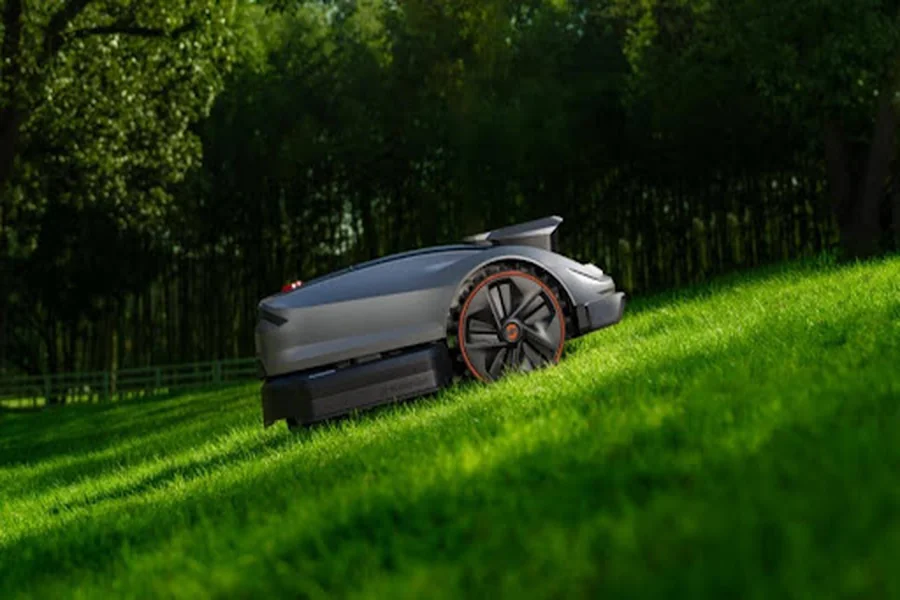
Robotic mowers promise effortless lawn care, but many homeowners worry about frequent rain. Wet conditions affect traction, grass quality, and the mower’s electronics, so it makes sense to ask how well these machines really cope. Modern robotic mowers, especially premium models from leading brands, include weather‑resistant casings, sealed electronics, and smart software that helps them avoid the worst of the rain. Some even use onboard rain sensors and weather‑based scheduling to protect both the lawn and the mower. However, constant moisture, waterlogged soil, and steep, slippery slopes still pose challenges. Understanding how rain affects mowing, which features to look for, and how to adjust your use will help you get reliable results in rainy climates.
Do robotic mowers perform well in rainy conditions?
How rain affects mowing performance and grass cutting
Rain changes how grass behaves and how a robotic mower moves. Wet blades of grass bend instead of standing upright, so the mower’s small razor blades may shred rather than cleanly slice. This can leave a slightly ragged finish and make clippings clump together on the surface. When soil turns soft, the mower’s wheels can sink and spin, leaving track marks and reducing accuracy on mapping or boundary following. Slopes become slippery, so the mower may struggle to climb or brake. Sensors also have to work harder, since water droplets and mud can cover bumpers and wheels. Robotic mowers still cut in light rain, but you will see the best cut quality and lawn health when grass is only slightly damp, not saturated.
Waterproof ratings and weather resistance features
Most reputable robotic mowers carry an IP rating that indicates protection against dust and water. Many garden robots fall around IPX4–IPX5, which means they resist splashing water and typical rainfall from any direction, but they are not designed for full immersion or standing in deep puddles. Sealed circuit boards, rubber gaskets around access panels, and protected charging contacts help keep moisture away from sensitive electronics. The charging station usually includes a roof or cover that keeps heavy rain off the mower while it docks. Some higher‑end models use more robust housings and better sealing, giving extra peace of mind in consistently wet climates.
What features help robotic mowers handle rain?
Rain sensors and automatic return-to-base functions
Rain sensors help a robotic mower react to changing weather instead of blindly following a timer. When the sensor detects rainfall, the mower can pause its cutting cycle and drive back to the charging station automatically. This protects the lawn from wheel ruts in soft soil and reduces the risk of clumping wet clippings. Some models let you adjust how sensitive the rain sensor is or how long the mower should wait after rain stops before resuming work. Others skip a physical sensor and use connected weather data through a mobile app. In both cases, automatic return‑to‑base functions reduce unnecessary wear and improve cut quality in rainy climates.
Traction, wheel design, and wet grass handling
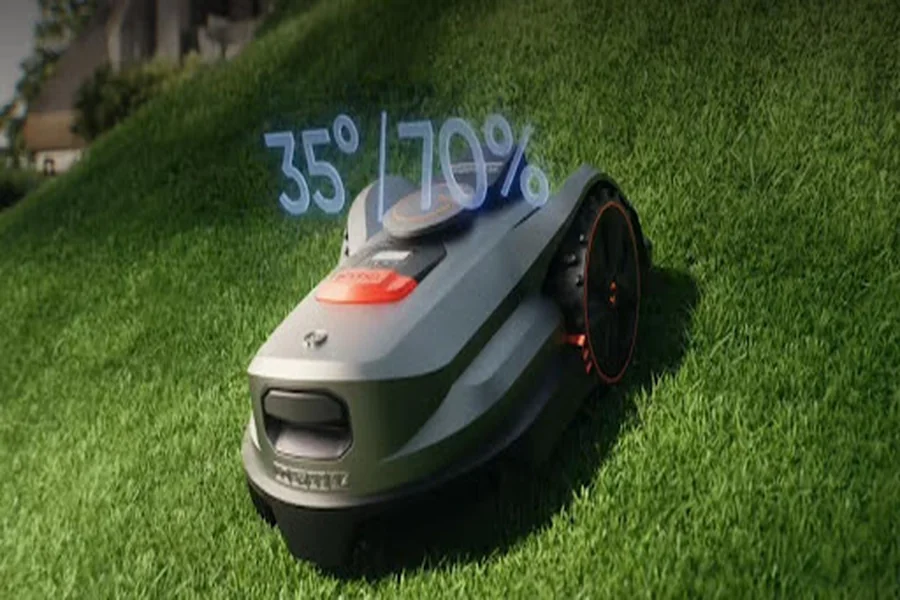
Traction makes a big difference in rain. Robotic mowers designed for challenging conditions often use large rear drive wheels with deep, aggressive tread patterns. These wheels grip wet grass better, reduce slipping, and help the mower climb moderate slopes even when the turf is damp. Wide wheels spread the load, so the mower sinks less into soft soil. Some models allow you to adjust wheel speed and slope settings in the app, which can prevent wheelspin and excessive turf wear on hills after rain. Sharp cutting blades and a frequent mowing schedule also help, since shorter, regularly cut grass sheds water faster and is easier to cut cleanly in light rain.
Build quality and protection against moisture damage
Build quality plays a crucial role in long‑term reliability in wet climates. A robust chassis with minimal gaps, tight‑fitting covers, and UV‑stable plastics keeps water out and resists long exposure to sun and rain. High‑quality mowers protect circuit boards with conformal coatings and use sealed connectors on cables and sensors. The charging station should have a sturdy base that prevents standing water around the contacts. Many brands also add protective bumpers and raised edges around displays or keypads to prevent pooling. While these features do not make a mower waterproof in the sense of submersion, they significantly reduce the chances of corrosion, short circuits, and random shutdowns due to repeated wet‑weather exposure.
How can you use robotic mowers effectively in rainy areas?
Best practices for mowing in wet weather conditions
You can safely use a robotic Sunseeker elite mower in rainy climates if you follow a few simple habits. Let the mower cut often, removing small amounts of grass each time. This keeps clippings tiny so they do not clump or smother the lawn when damp. Avoid running the mower when the soil feels spongy underfoot, as this suggests waterlogging and higher risk of ruts. Keep slopes in mind and reduce access to very steep, slippery areas during or just after rain. Clear leaves, twigs, and toys more often, because they stick to wet grass and can block the blades. Finally, store the mower under a covered charging station to protect it from heavy downpours.
Adjusting schedules to avoid heavy rainfall periods
A smart schedule helps the mower work around the worst weather. Use your mower’s app, timer, or smart home integration to avoid typical heavy rainfall periods in your region. Many owners in wet climates set the mower to work more during late morning or early afternoon, when dew has lifted and the ground has started to dry. If your model supports rain sensors or weather‑based control, enable these features and extend the delay time after rain so the lawn can drain. In very wet weeks, accept a slightly higher grass length rather than forcing the mower to run in unsuitable conditions.
Maintenance tips to prevent water-related issues
Regular maintenance keeps a robotic mower reliable in wet climates. After rainy days, inspect the underside for packed grass, mud, and debris; clean it with a soft brush or damp cloth while the mower is switched off and unplugged. Check the wheel treads and axles for built‑up dirt that could trap moisture and cause corrosion. Wipe the charging contacts on both the mower and dock to prevent oxidation. Replace blades frequently, since wet cutting dulls them faster. Inspect seals, covers, and cable entries at least once per season and replace damaged parts promptly. During long wet off‑seasons, store the mower indoors in a dry, ventilated space and keep the battery charged according to the manufacturer’s guidance.
Conclusion
Robotic mowers can work very well in rainy climates when you match the right machine to your conditions and use it wisely. Most quality models include rain‑resistant housings, sealed electronics, and safety systems that tolerate frequent showers. Features like rain sensors, smart scheduling, and grippy wheels further improve performance on damp grass. However, no robotic mower thrives in constant waterlogging or deep mud, and even the best design works best when you avoid mowing during heavy rain and saturated soil. By planning mowing times around local weather, keeping blades sharp, cleaning the mower regularly, and maintaining seals and contacts, you can enjoy a neat, healthy lawn with minimal effort, even in regions where rain is a regular part of life.

