
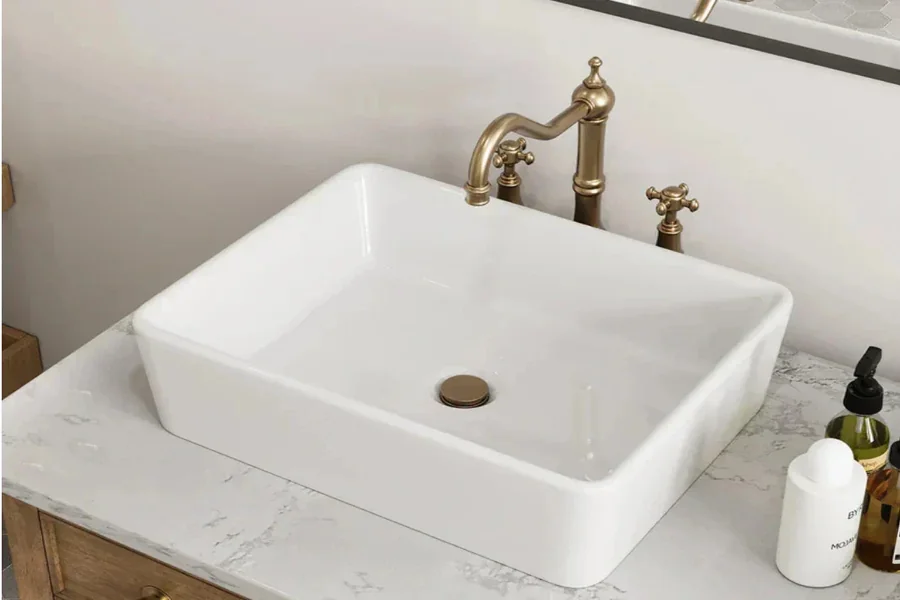
Bathrooms once followed a fixed script, with broad vanity tops, pale counters, and sinks that disappeared into the plan. That pattern is changing. Homeowners and design professionals now treat the basin as the room’s visual anchor, rather than a background fixture.
Material character, hand-finished detail, and stronger architectural identity drive that shift. One well-chosen sink can influence color balance, perceived depth, and the overall sensory experience of daily use.
Why the Center Has Shifted
For decades, vanity counters carried the visual load while bowls stayed secondary. Current planning reverses that order. In many remodels, surface choices, mirror scale, and tap placement now develop around custom bathroom sinks, which hold attention through profile, finish, and mass. That central role gives the room a clearer composition without requiring large structural work or heavy decorative layering.
From Utility to Statement
Standard tops often favor efficiency, but they rarely give a bathroom much identity. Artisan basins change that equation. Their silhouettes read more like sculptural objects than plumbing components. A compact room can feel more considered once the sink carries visual interest. Guests register that choice quickly, and the effect reaches beyond appearance, because a strong focal point also organizes the rest of the space.
Material Choices Matter
Material selection shapes mood before any faucet is turned. Cast concrete offers mineral depth and a matte surface that softens glare. Glazed ceramic throws light across curves and highlights subtle contour changes. Natural stone introduces veining, density, and temperature variation that factory units seldom match. Metal options can bring warmth or crisp definition. Each choice influences how tile, wood, plaster, and mirror finishes relate nearby.
Shape Changes Visual Rhythm
Form affects spatial rhythm in immediate ways. Round basins ease rooms filled with rigid lines and sharp corners. Rectangular bowls create order, alignment, and a stronger sense of symmetry. Oval profiles bridge traditional references with cleaner modern detailing. Rim height matters as well. Wall thickness and bowl depth shape visual weight, helping the fixture stand out without making a smaller bathroom feel compressed.
Scale Has a Strong Effect
A focal piece works best when proportion stays disciplined. An oversized basin can overwhelm a narrow vanity and reduce usable movement around it. One that is too slight may vanish against heavy stone or dark millwork. Designers typically compare sink dimensions with mirror width, faucet projection, and drawer depth before selecting a final model. Good scale keeps the basin prominent while preserving comfort and storage.
Texture Adds Quiet Interest
Smooth, polished surfaces can leave a bathroom feeling flat. Artisan pieces often introduce texture through hammered metal, ribbed ceramic, hand-troweled concrete, or lightly honed stone. That surface variation catches light and builds depth without extra ornament. In restrained interiors, texture can replace louder color moves. The result feels calm, grounded, and visually layered, even when the palette stays pale and closely edited.
Craft Signals Lasting Value
People increasingly respond to objects that look made, rather than stamped out by volume production. A handcrafted basin suggests labor, judgment, and material knowledge. Those qualities support a wider move away from disposable interiors. Custom work also helps in unusual footprints or older homes with irregular dimensions. Instead of forcing a standard top into place, designers can choose a sink that fits the room with precision.
Designers Use Contrast Carefully
Artisan basins succeed when surrounding elements stay measured. A bold vessel pairs well with restrained cabinetry, balanced lighting, and hardware that does not compete for attention. Contrast can come from silhouette, finish, or color, but restraint matters. Too many expressive features fracture the composition. Many successful bathrooms let the sink carry the main visual story while counters, mirrors, and sconces provide steady support.
Practicality Still Counts
Visual impact does not excuse weak performance. Daily use still depends on splash control, cleaning ease, and finish durability. Basin depth affects hand comfort and water containment. Rim shape influences movement and runoff. Mounting height also matters for children, older adults, and frequent guests. Strong artisan options meet those needs while offering character. The best examples show that function and visual distinction can occupy the same fixture.
Conclusion
Custom basins are replacing standard vanity tops because they give bathrooms a more defined identity through material, scale, texture, and form. A sink no longer needs to disappear into the background. It can lead the composition and direct every nearby choice with greater clarity. As residential interiors place higher value on craft and permanence, artisan fixtures offer a direct way to make daily spaces feel memorable, balanced, and carefully resolved.

