
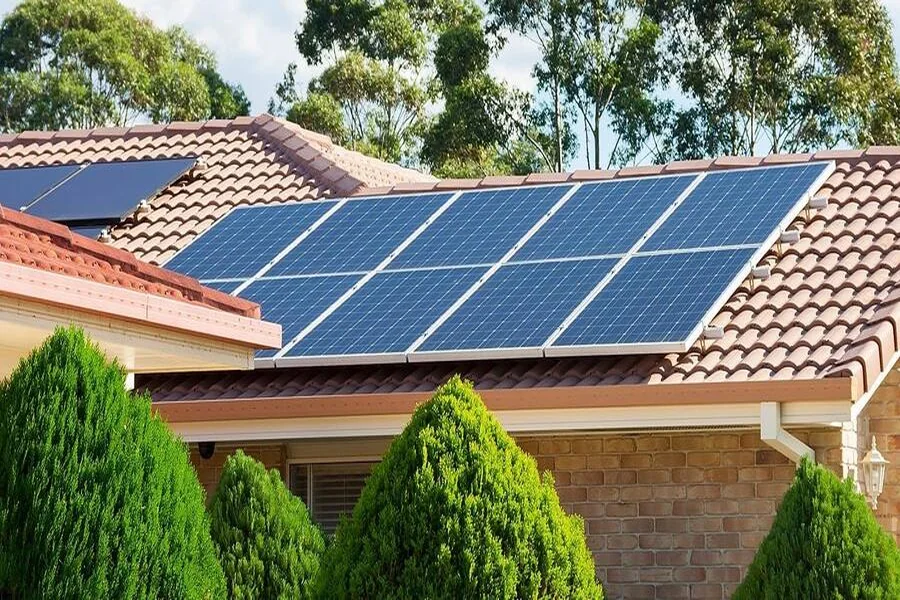
Ballarat households are changing how they manage power, and the shift is moving quicker than many expected. Higher bills, better equipment, and stronger interest in long-term savings are all pushing decisions forward. Local weather patterns also support solid solar output across much of the year. As more roofs change, nearby residents can see practical results, compare options, and judge value with greater confidence before making the same move.
Bills Keep Pressing Higher
Electricity costs keep straining household budgets, which is a major reason why interest keeps building. Many residents now compare quotes, system sizes, and expected payback before summer demand rises again. During that process, solar panel installers in Ballarat often explain how daytime generation can reduce grid use, especially for families running appliances, heating, or hot water through the busiest billing periods each week.
Rebates Lower The Entry Cost
State and federal support has made the first step easier for many properties. Lower upfront pricing changes the conversation from delay to action. A system that once felt expensive can now look manageable. That matters in Ballarat, where families often weigh monthly cash flow carefully before approving any home upgrade with a higher starting price.
Homes Want More Predictable Running Costs
Many households focus less on trends and more on control. Solar can turn part of a power bill into a known asset on the roof. That predictability appeals to owners dealing with changing tariffs and seasonal usage spikes. Stable daytime generation can help smooth budget pressure, which makes planning easier across the year.
Better Panels Need Less Roof Space
Older assumptions linger, yet current systems can produce more energy from fewer panels. That helps homes with smaller roof areas, mixed orientations, or shading on one side. Improved output also means more households can match system size with actual demand, rather than forcing a compromise that once reduced confidence in the whole idea.
Smarter Performance In Real Conditions
Modern panels and inverters handle heat, low light, and partial shade better than many people expect. Local installers, including Solahart Ballarat, usually assess angle, roof condition, and daily usage before suggesting system size. That practical approach helps owners avoid oversized setups and gives them clearer savings estimates based on site conditions, rather than broad sales claims.
Batteries Changed The Conversation
Solar used to be framed around daytime savings alone. Now battery interest has widened the value story. Households can store unused generation and use it later, which helps reduce evening grid reliance. Even homes that delay battery purchase often install panels now, knowing the system can be expanded later when pricing or household needs make storage a better fit.
Property Owners Can See Nearby Results
Adoption often speeds up when people can see working examples nearby. Ballarat streets now offer plenty of proof. Neighbours compare bill changes, installation experiences, and panel placement in plain language. That shared knowledge removes some doubt and shortens research time, because real outcomes from similar homes usually feel more reliable than generic marketing claims.
Electric Homes Benefit More From Daytime Power
More homes now use electric hot water, induction cooking, and efficient heating. Those changes raise the value of daytime generation. Solar works best when the house can use its own power directly, rather than buying from the grid. As households add electric appliances, the case for rooftop generation becomes stronger, clearer, and easier to justify.
Installation Has Become Easier To Evaluate
Buyers now have more review data, more product information, and clearer performance expectations than they had years ago. That makes the decision process less uncertain. Many owners can compare warranties, output figures, and installation methods in a structured way. Once the numbers line up, waiting often feels less sensible than starting savings sooner.
Conclusion
Ballarat’s rapid solar uptake is not driven by one factor alone. It comes from cost pressure, better products, practical rebates, and growing local proof that systems can perform well on ordinary homes. As electric living expands, rooftop generation looks less like a niche upgrade and more like a sensible household decision. That mix of timing and visibility explains why the switch is happening faster than many expected.

