
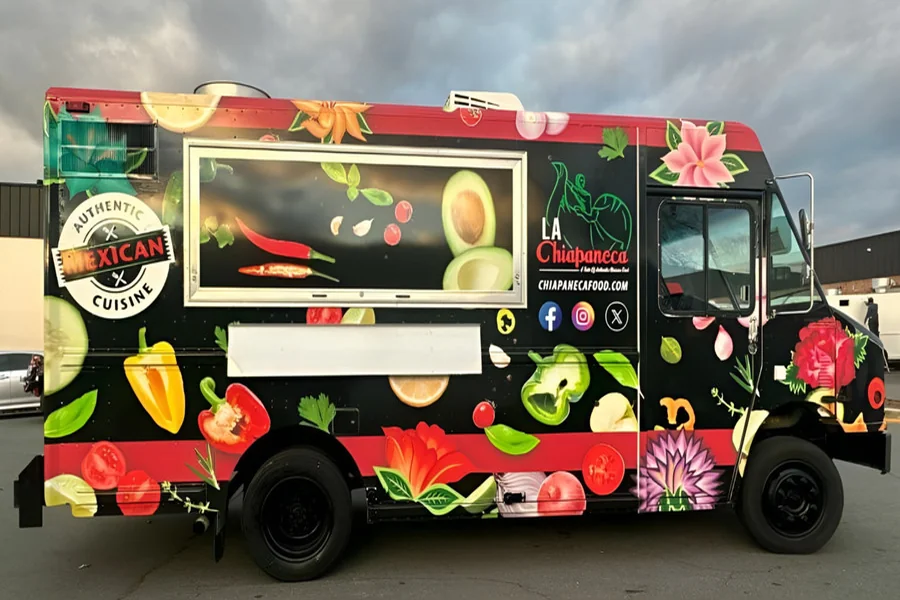
In the last decade, the food service sector has undergone an extraordinary change. Consumer demand has changed to satisfy new appetites for convenience, mobility, and special dining experiences, resulting in new opportunities for entrepreneurs and existing food businesses. One of the biggest trends around is the rise of mobile kitchens that are able to cater to people regardless of where they’re needed.
Whether in cities, at large events, or in private settings, mobile food businesses are increasingly providing an innovative, practical, and viable business model. With the continuous evolution of this sector, thoughtful functionality and design becomes crucial to eventual success.
How Mobility Is Reshaping Food Service?
Traditional brick-and-mortar restaurants are facing issues, such as limited sites, high rent, and changing foot traffic. This versatility allows for market testing, seasonal participation, and swift adaptation to trends. The modern Custom food trucks offers higher chances of meeting different customer groups in different places.
As food festivals grow, outdoor spaces for entertainment have ramped up, and communities are growing by miles, the need for flexible food service solutions that can function in a multitude of settings has also increased.
The Significance of Functional Design
A mobile kitchen isn’t just a vehicle with some pans and stoves in it. The focus of effective design is on workflow, safety, storage, ventilation, and food preparation requirements. The positioning of equipment must be made to ensure continuity of service whilst reducing unnecessary moving while in use. Cooking, preparation, and storage areas must be organized to maximize efficiency in their activities.
Custom food truck owners will find the most success with a custom layout based on a menu concept, instead of a generic design. For instance, a barbecue truck is completely different from a coffee truck, a gourmet sandwich truck, or even a frozen desserts shop. Planning is an important part of the development process as the design relates to maintenance, energy efficiency, health, and safety regulations.
Key Factors Influencing Innovation
There are several trends that give an idea about the future of mobile food businesses. Use of technology is increasingly enhancing operational efficiencies. Point of sale (POS) systems, mobile ordering applications, inventory control software, and electronic payment systems may decrease the workload for both customers and the company’s back office.
The desire of consumers for more specialized dining opportunities is also fostering increased customization. Instead of serving up extensive menus, lots of operators are concentrating on specialty concepts, producing memorable and particular eating experiences.
Let’s Dig Deeper
Creating a mobile restaurant is not a job simply for the chef. Menu planning must be related to space and equipment capacity. With a high volume of attendance, a simple approach can boost the consistency and speed of service.
From the beginning, the criteria of scalability shall also be taken into account. If a business plans on evolving, adding important equipment, expanding its menu offerings, or needing more production capacity, designs might feature flexibility to meet these future needs without a major disruption to the business.
Conclusion
Mobile food service is a growing part of today’s restaurant business. As the preferences of consumers continue to shift to convenience, flexibility, and experience-makers of dining, proper recreation of any mobile kitchens offers a sensible answer for the evolving market demands. In a fiercely competitive market, thoughtfully designed, efficient, and flexible custom food trucks are the heartbeat of a successful business model, enabling a foundation that fosters outstanding and memorable experiences while fueling growth.

