
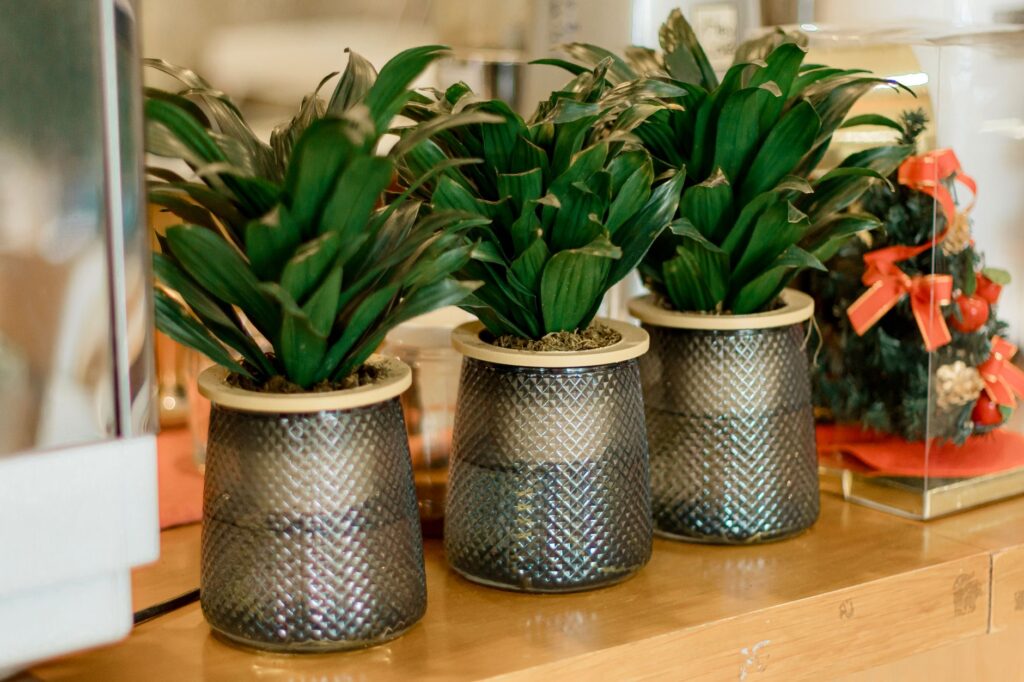
Indoor plants have a way of making a room feel calmer, softer and more lived-in, but they can also be surprisingly dramatic when something isn’t quite right. One week they’re sitting happily on a shelf looking glossy and low-maintenance, and the next they’ve got yellow leaves, dry tips or soil that seems to stay wet forever.
The confusing part is that most plant problems start with good intentions. People water because they’re trying to be helpful, move a plant because they want it to get more light, or add fertiliser because they think it needs a boost. But plants don’t always want more attention; they usually want the right kind of attention, which is why one of the most useful questions to ask early is how often should you water indoor plants?
Overwatering is the classic trap
If an indoor plant is struggling, many people assume it must be thirsty, but overwatering is often the real culprit. When soil stays too wet for too long, roots can’t breathe properly, and that can lead to yellowing leaves, limp growth, fungus gnats or root rot.
The tricky thing is that overwatered plants can sometimes look wilted, which makes people water them even more. Instead of watering on a fixed schedule, it’s better to check the soil first. Push a finger a few centimetres down into the potting mix, and if it still feels damp, wait a little longer.
Different plants have different preferences too. A fern may enjoy more consistent moisture, while a snake plant or succulent will usually prefer drying out between drinks.
Light matters more than you think
Watering gets most of the attention, but light is just as important. A plant sitting in the wrong light can struggle no matter how carefully you water it. Too little light can lead to slow growth, weak stems and leaves dropping, while harsh direct sun can scorch foliage that prefers a softer position.
Before moving a plant around the house, think about what kind of light it would naturally enjoy. Some plants are happy near a bright window, while others prefer filtered light or a spot a little further back from direct sun.
It’s also worth remembering that light changes with the seasons. A position that works beautifully in summer may become too dim in winter, especially in rooms that don’t get much natural light.
Pots and drainage can cause hidden issues
A beautiful pot can make a plant look fantastic, but if it doesn’t drain properly, it can create problems below the surface. Sitting water at the bottom of a pot can keep roots wet long after the top layer of soil feels dry.
If you love decorative pots, use them as cover pots and keep the plant in a nursery pot with drainage holes inside. That way, you can remove the plant to water it properly, let the excess drain away, and then place it back once it’s no longer dripping.
Don’t overdo the fertiliser
Fertiliser can support healthy growth, but more isn’t always better. Too much can burn roots or create salt build-up in the soil, especially when a plant isn’t actively growing.
Learn each plant’s rhythm
The best plant care comes from observing rather than guessing. Check the leaves, feel the soil, notice the light, and pay attention to how the plant changes across the year.
Indoor plants don’t need constant fussing to thrive. Most of the time, they just need a suitable spot, sensible watering, decent drainage and a little patience while you learn what each one prefers.

