
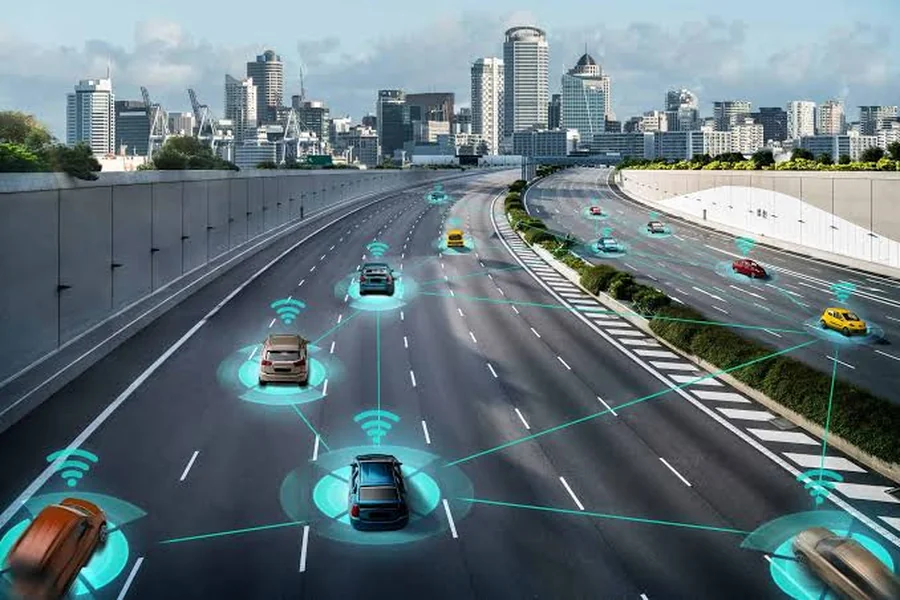
Moving petroleum products from terminals and storage facilities to commercial or industrial destinations requires constant coordination between dispatchers, drivers, fleet managers, customers, and back-office teams. When these participants rely on separate systems, phone calls, spreadsheets, and manual updates, even routine transportation tasks can become unnecessarily complicated.
A centralized petroleum logistics software solution developed by Wezom can connect these activities within a digital environment tailored to specific transportation workflows. Instead of adding another isolated application, custom development can bring dispatching, tracking, documentation, integrations, and delivery management together while supporting the operational requirements of a petroleum logistics business.
Why Petroleum Transportation Is Difficult to Coordinate
Petroleum logistics combines many processes that must happen in the correct sequence. An order has to be received and verified, transportation resources need to be assigned, drivers require accurate instructions, shipment progress must be monitored, and delivery information has to reach customers and internal systems.
The challenge increases as transportation volumes grow.
A dispatcher responsible for a limited number of deliveries may be able to coordinate activities through phone calls and spreadsheets. The same approach becomes increasingly difficult when an organization manages multiple terminals, fleets, contractors, products, and delivery locations.
Information fragmentation creates several common problems:
- Dispatchers lack a complete view of available transportation resources
- Drivers receive updates through multiple communication channels
- Shipment statuses are updated manually
- Customer service teams have limited delivery visibility
- Documents move separately from transportation records
- Operations and accounting systems contain different information
- Managers spend significant time preparing reports
- Exceptions are discovered later than they should be
These are not necessarily failures of individual employees. They are often symptoms of a logistics process that has outgrown its technology.
A connected platform creates a shared information flow, allowing each participant to work with relevant and up-to-date data.
Dispatching Is Where Connected Logistics Begins
Dispatch is one of the central functions of petroleum transportation.
Before a vehicle starts moving, teams may need to consider the delivery location, product type, available equipment, driver schedules, loading windows, route requirements, and customer expectations.
When this information is stored across different systems, dispatchers must manually assemble the operational picture before making an assignment.
Digital dispatching changes this process by bringing relevant information into one workspace.
A transportation platform can present available vehicles, current orders, delivery requirements, schedules, and shipment statuses. Instead of switching between spreadsheets, messaging tools, and separate applications, dispatchers can manage assignments through a unified interface.
Automation can further reduce routine work. Depending on the organization’s processes, the system can help:
- Prioritize transportation orders
- Match vehicles with appropriate assignments
- Identify scheduling conflicts
- Generate driver instructions
- Update order statuses
- Notify relevant employees about changes
- Record dispatch decisions for later analysis
The objective is not necessarily to automate every decision. Petroleum transportation often includes operational conditions that require human judgment.
Software should provide dispatchers with better information and reduce repetitive administrative work while allowing employees to intervene when unusual situations occur.
Real-Time Tracking Connects Plans with Actual Operations
A transportation plan describes what should happen. Tracking data shows what is actually happening.
The difference between these two perspectives is important.
A vehicle may leave later than expected, encounter traffic, spend more time at a loading facility, or follow a different route. Without timely information, dispatchers and customers may continue working with an outdated schedule.
Petroleum logistics software can integrate with GPS, telematics, and other fleet technologies to connect vehicle information with specific transportation orders.
This enables teams to monitor:
- Current vehicle location
- Shipment progress
- Estimated arrival times
- Route deviations
- Unexpected stops
- Delivery status
- Loading and unloading milestones
Real-time visibility becomes particularly valuable when something does not go according to plan.
Instead of waiting for a driver to call or a customer to report a late delivery, the system can identify predefined exceptions and notify responsible employees.
This can shorten response times and make transportation management more proactive.
Visibility can also extend beyond the dispatch department. Customer service teams, managers, and authorized customers can receive appropriate access to shipment information without repeatedly contacting drivers or dispatchers for updates.
Driver Workflows Need to Be Part of the Digital System
Connecting back-office systems is only part of logistics digitalization. Drivers are an essential part of the information flow because they interact directly with vehicles, loading locations, and delivery points.
If drivers remain outside the digital workflow, employees may still need to transfer information manually between transportation systems and phone calls, paper documents, or messaging applications.
Mobile applications can close this gap.
A driver application connected to the central platform can provide:
- Assignment details
- Pickup and delivery information
- Navigation data
- Schedule updates
- Status reporting
- Document access
- Notifications
- Digital proof of delivery
Drivers can update shipment statuses directly from the field, allowing information to become available to other departments without additional manual entry.
For example, when a delivery is completed, the driver can record the event through the application. The updated status can immediately become visible to dispatchers and customer service teams and can trigger the next step in an integrated workflow.
This reduces the delay between an event occurring and the organization knowing about it.
The interface itself also matters. Driver-facing tools should minimize unnecessary interaction and present information clearly. A complicated mobile application can create new problems rather than solve existing ones.
Digital Documentation Reduces Administrative Friction
Petroleum transportation generates significant documentation.
Orders, delivery records, invoices, inspection information, customer confirmations, and other documents may need to be associated with a particular shipment.
When documents are handled separately from transportation data, employees spend additional time searching, transferring, validating, and archiving information.
A connected platform can associate digital documents with the corresponding order, vehicle, driver, customer, or delivery.
This creates a more structured operational record.
Instead of searching through email attachments or paper files, authorized employees can access relevant documentation directly from the transportation system.
Digital workflows can also support automated document generation. Information already available in the system can populate appropriate fields, reducing repetitive data entry.
The result is not simply a reduction in paper. The larger benefit is that documents become part of the same information environment as the operational activities they represent.
Integrations Connect Logistics with the Rest of the Business
Transportation does not operate independently from other business functions.
Orders may originate in an ERP or customer management platform. Vehicle data may come from telematics providers. Financial information may need to move into accounting software. Customers may expect transportation statuses through their own portals or systems.
Without integrations, employees become the connection between these applications.
They copy data, update records manually, compare information between platforms, and correct inconsistencies. As transportation volumes increase, this approach becomes difficult to scale.
Modern petroleum logistics software can use APIs and other integration mechanisms to exchange information with systems such as:
- ERP platforms
- Accounting applications
- CRM systems
- Fleet management tools
- GPS and telematics services
- Mapping platforms
- Customer portals
- Maintenance systems
- Business intelligence tools
Integration creates a continuous data flow.
An order created in one system can become available for dispatch without manual re-entry. A transportation status can update another business application. Completed delivery information can become available for billing or reporting.
The specific architecture depends on the organization’s existing technology environment, which is one reason custom development can be useful. The platform can be designed to complement existing investments instead of requiring the business to replace every application at once.
Delivery Should Complete the Digital Information Cycle
The delivery stage is where transportation activity becomes a completed business transaction.
However, operational visibility should not stop when the vehicle reaches its destination.
The system needs to capture what happened during delivery and make that information available to other business processes.
A digital delivery workflow can record arrival, unloading, completion status, customer confirmation, documentation, and exceptions.
This information can then trigger subsequent actions.
For example, successful completion may update the order, notify the customer, store proof of delivery, and provide relevant information to an accounting platform.
If a problem occurs, the system can create an exception record and notify the appropriate employee.
Connecting delivery with upstream and downstream processes prevents information from becoming fragmented at the final stage of transportation.
It also creates more complete historical records for analysis.
Connected Data Creates Opportunities for Better Decisions
Once dispatching, tracking, driver activity, documentation, and delivery information are connected, businesses gain something more valuable than individual digital features: structured operational data.
Managers can use this information to understand how transportation actually performs.
Useful metrics may include:
- On-time delivery rates
- Average transportation time
- Vehicle utilization
- Empty mileage
- Loading and unloading time
- Route performance
- Frequency of transportation exceptions
- Driver productivity
- Delivery volumes
- Customer service performance
Historical data can reveal patterns that are difficult to identify when information is distributed across spreadsheets and separate applications.
Managers may discover that certain routes regularly experience delays, particular delivery locations create excessive waiting time, or specific processes generate a disproportionate number of exceptions.
Analytics can therefore turn transportation software from a coordination tool into a source of business intelligence.
Building a Scalable Digital Logistics Environment
Companies do not necessarily need to digitalize every petroleum transportation process simultaneously.
A phased approach can reduce implementation risk and allow teams to validate new workflows before expanding the platform.
A business might begin with dispatching and real-time tracking because these areas create immediate visibility improvements. Driver applications, document management, analytics, customer portals, and additional integrations can follow as requirements become clearer.
The architecture should support this evolution.
Scalability is not limited to handling more users or transactions. A scalable logistics platform should also make it practical to add new locations, business units, workflows, integrations, and functionality without rebuilding the core system.
Custom development can be particularly useful when the organization already has established operational processes and technology investments that need to remain in place.
Rather than forcing the entire business into a predefined software model, the digital platform can evolve around practical requirements.
From Separate Tasks to One Connected Logistics Process
Petroleum transportation involves many individual activities, but operational efficiency depends on how effectively those activities connect.
Dispatching influences driver assignments. Tracking affects customer communication. Driver updates influence shipment visibility. Delivery records support documentation and billing. Each stage generates information required by the next.
When these processes operate through disconnected systems, employees must manually maintain those connections.
A unified digital platform creates a different model. Information can move with the transportation process from order creation and dispatch through tracking, delivery, and reporting.
The result is not simply faster access to data. Connected workflows can reduce repetitive work, improve visibility, support faster responses to exceptions, and give managers a clearer understanding of transportation performance.
For petroleum logistics organizations dealing with growing operational complexity, that connectivity can become the foundation for a more scalable, measurable, and manageable transportation environment.


Pingback: How Does AI Video Editing Save Production Time?