
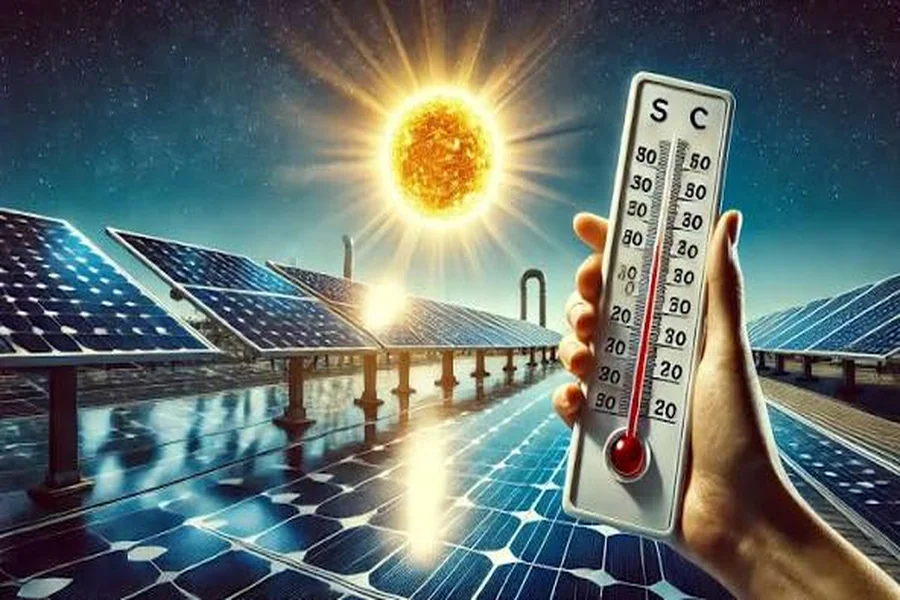
Phoenix summers bring intense sunlight and high temperatures. While sunlight helps solar panels generate electricity, extreme heat can reduce efficiency and put extra stress on certain system components. Understanding these effects helps property owners spot performance changes, maintain their equipment, and know when professional solar panel repair Phoenix services may be needed.
1. High Temperatures Can Reduce Solar Panel Efficiency
Solar panels must be in the sun to produce electricity, but they are not as efficient at all temperatures. Most panels work best in cooler conditions and with strong sunlight. The electric output of panels can diminish as the temperature increases.
Manufacturers define a temperature coefficient that specifies the degree to which the power of a panel can vary with temperature. In Phoenix summers, the panels on the roof can get a lot hotter than the air around them. This implies that a system may not generate as much electricity as its rated capacity in the hottest part of the day.
But a high temperature doesn’t necessarily indicate a problem with the solar system. Comparing the actual production to the expected seasonal performance should be done before deciding on repairs.
2. Heat Can Increase Stress on System Components
Solar panels are just a portion of a full solar system installation. All of the electrical components, including inverters, wiring and connectors, are required to function in extreme environments.
Extended exposure to high temperatures can increase the aging rate of some materials and can cause component issues over time. These risks increase if ventilation is inadequate, connections are damaged, or installation is not appropriate.
One of the best ways to uncover visible damage or loose connections, and other issues before they impact system performance, is through regular inspections. If the electricity production is not what is expected, a professional evaluation can be used to see if the cause is heat, equipment failure or something else.
3. Solar Inverters Need Particular Attention
Direct current generated by solar panels is converted to alternating current used by a property by an inverter. They are electronic devices and can be impacted by high operating temperatures.
When the temperature becomes too high, some inverters decrease their output. Some may print error codes or turn off if they sense unsafe operating conditions. These issues can cause power outages until the problem is fixed.
If you are a property owner having issues with your solar inverter, even though your production is down and you are not sure why, you might need solar inverter repair services. A qualified technician can then check the inverter, check the error codes and determine if it is overheating, if it is an electrical issue, or if it is a failure.
4. Recognize Signs of Reduced Performance
Slow summer production decline may be due to normal efficiency loss associated with summer temperature. But if there is a sudden or abnormally sizeable decrease, it should be investigated.
Be alert for repeated inverter shutdowns, warning signs, unexpected fluctuations in the production of energy, or visible damage to panels and wiring. Regular checking of the system performance makes it easy to identify any unusual patterns.
These warning signs can persist and, if that is the case, solar repair services can help uncover the cause of the trouble. Do not attempt electrical repairs or open its components; solar installations may be electrically hazardous even when the power is off.
5. Keep Your Solar System Properly Maintained
Regular maintenance can help property owners catch issues before they lead to extended interruptions. Run checks on a regular basis as per manufacturer’s recommendations and deal with abnormal performance changes quickly.
Solar panel repair Phoenix services can examine solar panels, electrical connections, mounting parts and inverters. Technicians can also determine if other factors, such as dirt, shade or equipment malfunctions, are affecting production.
Protect Solar Performance During Phoenix Summers
Extreme heat can lower panel efficiency and challenge electrical components, but a well-designed and properly maintained system can continue producing useful electricity throughout the summer. Track production, investigate unexpected changes, and arrange professional inspections when necessary.

