
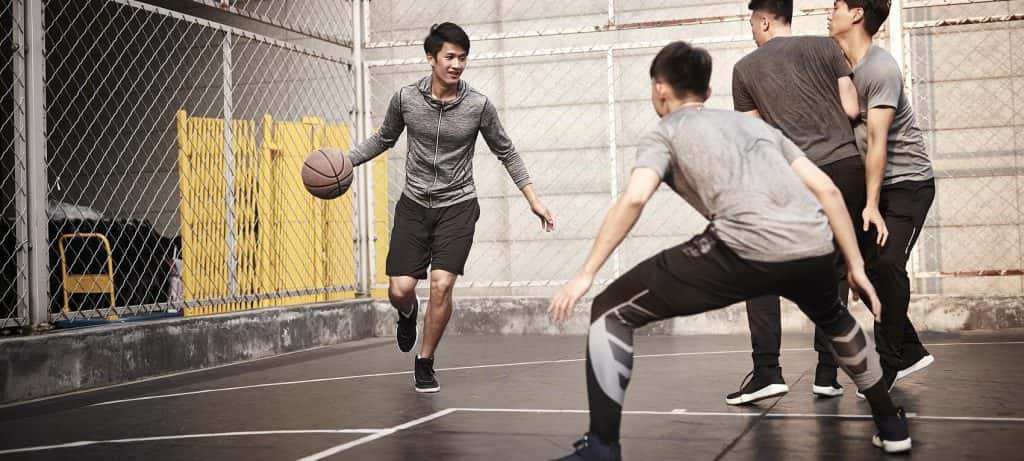
We see sports clothing based on looks, colour and team identity but what it really is truly measured by is something that you cannot actually see—fabric technology. Someone may use a personal trainer to help in achieving these targets or play football, run around the park for exercise or even compete professionally, but whatever they are doing their clothes will have an impact on comfort and movement and naturally translate into performance if the race is won.
Sportswear wrappers, too, have evolved over the decades from simple cotton-based materials to highly engineered ones such as those optimized for specific physical demands. Still, even if few ever have it on their minds, this change made sports fabric technology an unthinkable foundation of contemporary athletics.
By making sense of how those fabrics work, readers — whether athletes, students or just casual readers — can already make better-informed choices in sportswear and understand the science behind real-life activewear.
What Is Sports Fabric Technology?
In fact, sports fabric technology involves the research and manufacturing of fabric used to improve physical performance. Performance fabrics are designed to withstand heat, sweat, movement and wear-and-tear as compared with regular clothing fabrics which are primarily made for comfort or style.
They are produced through fiber structure modification, mix of materials, and treatments that enhance functionality. You want a second skin that has not only covered the body, but is going with the body.
Textile engineering, sports science and material innovation are blended together in modern sportswear to create a wearable that responds to the body during movement.
The Science Behind Performance Fabrics
Fiber innovation forms the base of design technology in sports fabric. Fibre is designed or blended to meet certain performance targets.
One of the scientific principles involved is moisture movement. During physical activity when the body sweats, fabric needs to absorb or move that moisture away from skin. Improper moisture management could result in discomfort, overheating or chafing.
Another important factor is elasticity. Fabrics themselves usually have flexible fibers, and they give stretching power back again to help athletes move around easily. This is especially important for sports that demand fast directional changes or high flexibility.
Temperature regulation is also essential. Some fabrics are insulating for cold weather while others keep you cool by wicking heat away from your body in warmer environments.
Common Types of Sports Fabrics
Polyester Blends
Polyester- Probably the most heavily used material for sportswear Plus, it is lightweight, durable and quick drying perfect for high-paced …
Spandex (Elastane)
Spandex provides stretch and flexibility. Fabric even in small percentages decides movement ease and fit.
Nylon
Nylon is very strong, smooth and wear-resistant. This is one of the most common materials used in sportswear where it needs to be sturdy with physical strain.
Mesh Fabrics
Mesh is designed for ventilation. The open structure permits air circulation, helping maintain body temperature during vigorous exercise.
Moisture-Wicking Technology Explained
In sportswear, moisture-wicking is one of the great innovations that changed it all. As opposed to crude wood like properties of cotton fabrics, the moisture-attracting structure of moisture-wicking is interwoven or entwined with the individual fabric fiber that transports moisture away from skin-fundamental level to the outside surface of clothing where it can evaporate much quicker.
David Buster: It allows the body to remain dry and mitigate any discomfort associated with heavy wet clothing during exercise. It helps with maintaining a more constant body temperature, which is essential while trying to be as enduring and performant as possible.
This is a typical myth about moisture-wicking textiles that they “absorb perspiration.” They are built for moisture transfer, not storage.
Breathability and Temperature Regulation
Breathable is the capability of a textile for breathable air. This is critical in response to hinder getting too hot whereas exercising.
Breathable fabrics help facilitate the transfer of moisture with it → no longer present in air; heat and sweat vapour leave when paired with moisture management.
Sports should have different degrees of breathability. To illustrate, high ventilation is more critical for indoor intensive sports activities than outdoor sports exercises where airflow or wind flow protection needs to be balanced against that effect from weather conditions.
Stretch, Fit, and Movement Efficiency
Freedom of movement is a key indication for sports performance. Stiff or heavy fabrics restrict motion and, therefore, reduce efficiency.
Stretchable materials enable the garment to move with the body instead of against it. This is especially relevant in athletics that require running, jumping, or direction changes.
Compression fabrics compressions is a kind of stretch which provides muscle support and contraction while moving and therefore it comes in the category of them. Although research is still being performed, many athletes have reported enhanced comfort and stability when wearing compression apparel.
Durability and Wear Resistance
This is because sportswear is subjected regularly to washing, sweat, friction and the outdoors. This creates a need for performance fabrics to be durable.
As for the textile quality used in sports, it has been developed to resist tearing, fading and stretching over time. You also get reinforced stitching and blended fibers which lead to longer-lasting garments.
Durability ensures the structure and performance properties of your garment when returning it as a consequence of repeated fittings.
Safety and Protection Features
In addition to comfort and performance, many modern sports fabrics also include extra features that provide protection.
Fabric blocks out UV rays, a key value-add for developers of outdoor sportswear to reduce the amount of harmful sunlight that skin is exposed to. Others include anti-odor regiments that inhibit the amount of bacteria vomited by sweat.
In some sports, padding or hardened areas are integrated directly into fabric designs to protect the body’s areas of impact.
- Fabric Design And The Different Sports Shapes
- Each sport has specific requirements of clothing. For example:
- Lightweight, breathable fabrics are essential for running constantly in football and soccer
- Basketball favours stretch and sweat control for speedy moments
- Footwear for running is airy and moisture management
- Outdoor sports tend to require weather resistance and insulation
This difference makes fabric design hardly ever one size fits all.
More broadly within the sportswear space (to tie back a little), certain manufacturers are focused on developing fabrics for specific athletic applications. An example of performance-based design approaches within the context of team and athletics is provided by brands such as USportsGear, which contribute to this developing landscape.
From Ryder Cup To Sports Bra Fabrication Technology
Previously, most of the athletic gear was made of cotton. Cotton is fine for everyday wear but cotton absorbs moisture and gets heavy when working out.
The advent of synthetic fibres such as polyester and nylon represented a significant evolution in the production of sportswear. But with improvements made in textile engineering creating much lighter, stronger and functional sportswear fabric with high-performance responsiveness to physical activity it added this dimension.
Now, we see the ongoing evolution of sports fabric technology with smart textiles and material changes based on temperature, which may one day also respond to body conditions in a dynamic way.
Sustainability in Sports Fabrics
In line with this development and growing environmental consciousness, the sportswear industry is currently experimenting more and more with sustainable materials. Use of recycled polyester, sustainable dyeing and waterless production processes is growing.
That’s why it shouldn’t be all about performance, but so also sustainability. Natural fibers are environmentally friendly but lack durability and moisture control compared to synthetic materials.
This continuous evolution does dictate the future of sportswear fashion design.
Final Thoughts
Most people are probably unaware that sports fabric technology is a more significant aspect of athletics than even the athletes do. When a fabric wicks moisture, breathes, is durable or flexible; the features of how items are made impact how athletes perform and feel when they sweat.
With the evolution of materials and research on fabrics, sportswear will no doubt become more differentiated, efficient, and sustainable. These basic principles lead to a better understanding of the science of common, everyday athletic clothing and show how innovation is singing its quiet song in support of performance at every level.

