
In the fast-paced world of e-commerce, customer satisfaction hinges on instant gratification. Gone are the days of patiently waiting for email responses or enduring lengthy phone queues.
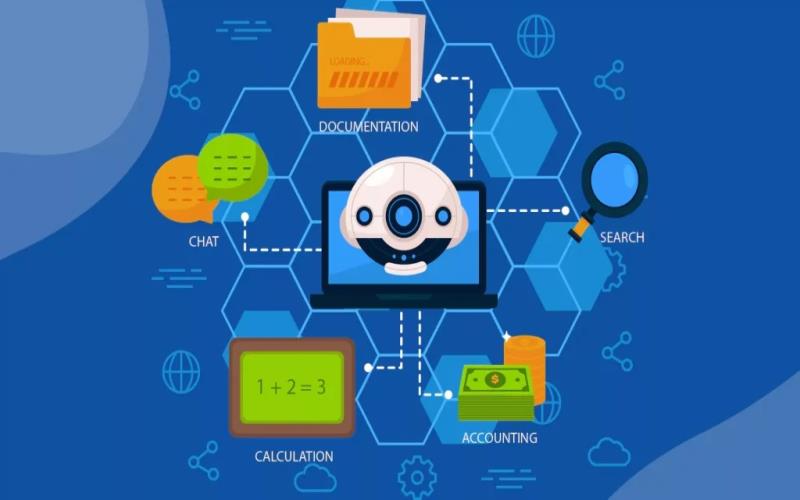
Today’s consumers demand immediate solutions, and businesses are turning to artificial intelligence (AI) to meet this expectation. The adoption of AI-powered chat support is rapidly transforming the customer service landscape, offering unparalleled efficiency and personalization.
According to a recent report by Juniper Research, global spending on AI in customer service is projected to reach $142 billion by 2028, up from $2.8 billion in 2019. This staggering growth underscores the transformative potential of AI in addressing the challenges of modern e-commerce.
Furthermore, a study by IBM revealed that AI-powered chatbots can handle up to 80% of routine customer queries, freeing up human agents to focus on more complex issues.
The core function of AI-powered chat support is to provide instant, accurate, and personalized responses to customer inquiries.
Leveraging natural language processing (NLP) and machine learning (ML), these systems can understand the nuances of human language, interpret customer intent, and deliver relevant information in real-time.
This capability is crucial in addressing the diverse range of questions that arise in e-commerce, from product availability and shipping details to return policies and technical support.
Let’s understand how AI chat support helps E-commerce.
Key Advantages of AI Chat Support
- 24/7 Availability: Unlike human agents who require rest and breaks, AI chatbots can operate around the clock, providing continuous support to customers across different time zones. This ensures that customers can get the assistance they need whenever they need it, enhancing their overall shopping experience.
- Instant Response Times: AI chatbots can respond to customer queries within seconds, eliminating the frustration of waiting for assistance. This rapid response time not only improves customer satisfaction but also reduces cart abandonment rates, as customers are less likely to abandon their purchases if they receive prompt support.
- Scalability and Efficiency: AI-powered chat support systems can handle a large volume of customer inquiries simultaneously without compromising on response time or accuracy. This scalability is particularly beneficial during peak shopping seasons or promotional periods when customer traffic can surge dramatically. This also helps with the efficiency of the overall customer service department, allowing human agents to focus on more complicated issues.
- Personalized Customer Experiences: AI chatbots can leverage customer data, such as purchase history and browsing behavior, to personalize interactions and provide tailored recommendations. This level of personalization can enhance customer engagement and loyalty, leading to repeat purchases and increased customer lifetime value.
- Cost-Effectiveness: Implementing AI chat support can significantly reduce customer service costs by automating routine tasks and reducing the need for a large team of human agents. This cost-effectiveness allows businesses to allocate resources to other areas, such as product development and marketing.
- Data-Driven Insights: AI chatbots generate valuable data on customer interactions, providing insights into customer preferences, pain points, and trends. This data can be used to improve products, services, and marketing strategies, leading to better customer outcomes.
How To Implement AI Chat Support
Implementing AI chat support requires careful planning and execution. Businesses should consider the following steps:
- Define Clear Objectives: Determine the specific goals of implementing AI chat support, such as reducing response times, improving customer satisfaction, or reducing costs.
- Choose the Right Platform: Select an AI chat support platform that aligns with the business’s needs and budget. Factors to consider include NLP capabilities, integration with existing systems, customization options, and scalability.
- Train the AI Model: Train the AI model on a comprehensive dataset of customer inquiries and responses to ensure accuracy and effectiveness. This process involves feeding the model with relevant data and refining its understanding of customer intent.
- Integrate with Existing Systems: Integrate the AI chat support system with existing e-commerce platforms, CRM systems, and knowledge bases to ensure seamless data flow and a unified customer experience.
- Monitor and Optimize: Continuously monitor the performance of the AI chat support system and make necessary adjustments to improve accuracy, efficiency, and customer satisfaction. This involves analyzing customer feedback, tracking key performance indicators (KPIs), and refining the AI model.
Challenges and Considerations
While AI chat support offers numerous benefits, businesses should also be aware of the potential challenges:
- Complexity of Human Language: Despite advancements in NLP, AI chatbots may struggle to understand complex or nuanced language, leading to inaccurate responses or misunderstandings.
- Maintaining Personalization: While AI can personalize interactions, it is essential to strike a balance between automation and human touch. Overly automated interactions can feel impersonal and detract from the customer experience.
- Data Privacy and Security: AI chatbots collect and process sensitive customer data, making data privacy and security a critical concern. Businesses must implement robust security measures to protect customer data from unauthorized access or breaches.
- Handling Complex Issues: AI chatbots may not be able to handle complex or unique customer issues that require human intervention. Businesses should have a clear escalation process in place to seamlessly transfer customers to human agents when necessary.
- Initial Setup and Maintenance: Setting up and maintaining an AI chat support system requires technical expertise and ongoing effort. Businesses should invest in training and resources to ensure the system’s effectiveness.
The Future of AI Chat Support in E-Commerce
The future of AI chat support in e-commerce is bright, with ongoing advancements in AI and NLP technologies. We can expect to see:
- Enhanced Personalization: AI chatbots will become even more adept at understanding customer preferences and providing highly personalized recommendations and support.
- Proactive Support: AI chatbots will anticipate customer needs and proactively offer assistance, such as providing shipping updates or suggesting complementary products.
- Multilingual Support: AI chatbots will be able to support multiple languages, enabling businesses to serve a global customer base.
- Integration with Voice Assistants: AI chat support will seamlessly integrate with voice assistants, allowing customers to interact with businesses through voice commands.
- Increased Use of Visual AI: AI will be able to process visual information, allowing customers to upload images of products or issues for faster and more accurate support.
Automated customer service is changing the landscape of how businesses interact with their clients. The use of automated customer service allows for faster response times, and the ability to service more customers simultaneously. Furthermore, the use of automated customer service allows for the collection of data that can be used to improve the overall customer experience.
Conclusion
In the dynamic landscape of e-commerce, AI-powered chat support has emerged as a critical driver of customer satisfaction and operational efficiency. By providing instant, personalized, and 24/7 assistance, these systems are transforming how businesses interact with their customers.
The ability to handle vast volumes of inquiries, gather valuable data insights, and reduce operational costs makes AI chat support an indispensable tool for any e-commerce enterprise aiming to thrive in the digital age.
As AI technology continues to advance, the potential for even more sophisticated and seamless customer experiences is immense, promising a future where interactions are increasingly intuitive and proactive.
Ready to elevate your e-commerce customer service?
Take the next step:
- Explore AI Chatbot Solutions: Research and compare different AI chatbot platforms to find one that aligns with your business needs and goals.
- Start Small, Scale Smart: Begin with a pilot program to test and refine your AI chat support implementation before rolling it out across your entire customer base.
- Analyze and Optimize: Continuously monitor your AI chatbot’s performance and use data-driven insights to make ongoing improvements.
- Invest in Training: Ensure your team understands how to work alongside AI and how to effectively handle escalated issues.
- Request a Demo: Many vendors offer free demos of their chat bot software. See how it works for yourself.
Don’t let your customer service fall behind. Embrace the power of AI chat support and unlock a new era of customer engagement and satisfaction.

