
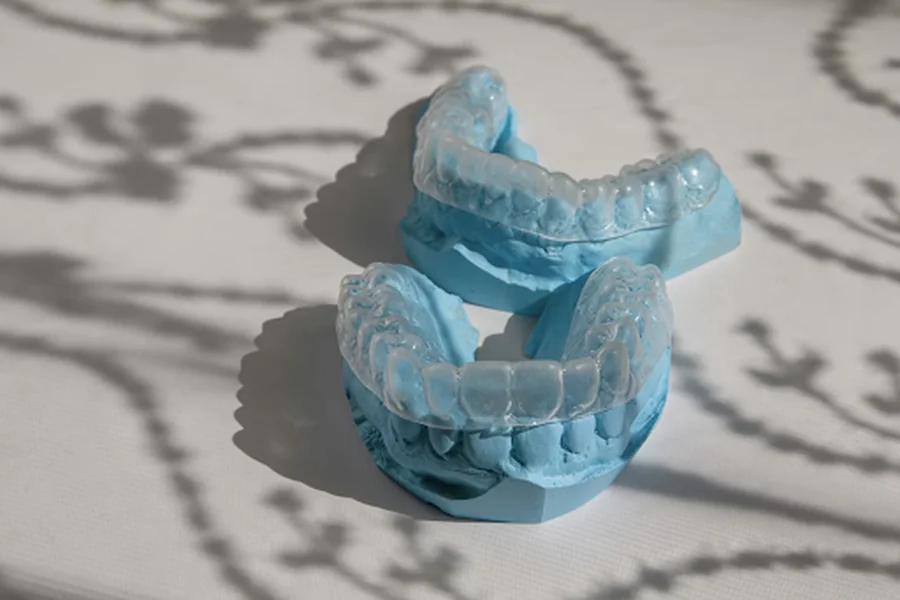
The American Dental Association’s 2024 orthodontic trends report shows that clear aligner usage has increased by 78% over the past five years, with adults now representing the fastest-growing segment of orthodontic patients. This surge isn’t just about aesthetics — it reflects a fundamental shift in how people approach oral health during their busiest life phases. As remote work blurs professional boundaries and adults prioritize health investments that don’t disrupt their daily routines, clear aligners have emerged as more than just an alternative to metal braces.
The implications extend well beyond straightened teeth. For professionals who spend their days on video calls, parents juggling multiple responsibilities, and anyone whose lifestyle demands flexibility, clear aligners offer advantages that traditional orthodontics simply can’t match. Recent advances in 3D printing and digital treatment planning have also unlocked benefits that even dental professionals are still discovering — from improved gum health to unexpected psychological impacts that influence everything from career confidence to social interactions.
Understanding these broader benefits matters because choosing orthodontic treatment isn’t just about the final result — it’s about how the process fits into your life for 12 to 24 months. The decision becomes clearer when you see how clear aligners work at the mechanical level and why that process creates opportunities that fixed braces cannot provide.
How Do Clear Aligners Work to Straighten Teeth?
Clear aligners function through controlled, incremental force applied by precisely manufactured plastic trays that fit snugly over your teeth. Each aligner in the series is designed to move specific teeth by fractions of millimeters — typically 0.25mm per aligner — using the principle of continuous light pressure that encourages bone remodeling around tooth roots.
The process begins with digital scanning that captures your teeth’s exact positions, creating a 3D model that orthodontists use to map the entire treatment journey. Specialized software calculates the optimal path for each tooth to reach its final position, accounting for root movement, bite alignment, and the biological limits of how quickly teeth can safely move. This digital precision allows for movements that would be difficult or impossible to achieve with traditional brackets and wires.
What makes this particularly effective is the removable design’s relationship to the treatment mechanics. Unlike fixed braces that apply constant pressure in predetermined directions, clear aligners can be removed during eating and cleaning, then reinserted to continue the controlled movement. This intermittent but consistent pressure pattern actually promotes healthier tooth movement because it allows brief periods of increased blood flow to the periodontal ligament — the tissue that connects teeth to the surrounding bone.
The manufacturing process involves medical-grade thermoplastic materials heated and formed over precise models of your teeth at different treatment stages. Each aligner incorporates specific features like attachment points and bite ramps that guide teeth into their target positions while maintaining proper bite relationships. This level of customization enables complex movements like rotation and intrusion that historically required more invasive orthodontic techniques.
What Surprising Benefits Do Clear Aligners Provide Beyond Appearance?
The most unexpected advantage many patients discover is dramatically improved oral hygiene during treatment. Traditional braces create numerous spaces where food particles and bacteria accumulate around brackets and wires, making thorough cleaning nearly impossible despite diligent efforts. With clear aligners, you can brush and floss normally since the trays are removed for all oral hygiene activities. This accessibility often leads to better gum health during orthodontic treatment than patients had before starting.
Speech improvement represents another overlooked benefit that extends beyond the obvious correction of spacing issues. Many adults develop subtle speech adaptations over years to accommodate misaligned teeth — slight tongue positioning changes or air flow modifications they’re not even aware of. As teeth move into proper alignment, these unconscious compensations disappear, often resulting in clearer articulation and improved confidence in professional speaking situations. The gradual nature of clear aligner treatment allows your speech patterns to adapt naturally rather than the abrupt changes that can occur with traditional orthodontics.
The psychological impact reaches deeper than anticipated self-esteem improvements. Adults undergoing Invisalign aligners in Chicago frequently report increased willingness to smile in photos, laugh more openly in social situations, and speak up in meetings — behavioral changes that begin well before treatment completion. The fact that the aligners themselves are nearly invisible means these confidence gains occur without the social anxiety that adult braces can trigger in professional environments.
Sleep quality improvements also emerge as an unexpected benefit for many patients. Properly aligned teeth often resolve minor airway restrictions that contribute to mouth breathing or tongue positioning issues during sleep. While clear aligners aren’t a treatment for sleep apnea, the improved bite relationships they create can reduce snoring and promote better nasal breathing patterns that enhance overall sleep quality.
The convenience factor transforms daily routines in ways patients don’t anticipate. Being able to eat anything without restriction eliminates the dietary limitations and food-related anxiety that accompanies traditional braces. No emergency orthodontic visits for broken brackets means fewer disruptions to work schedules and family commitments, while the predictable treatment timeline allows for better long-term planning around important events and milestones.
What Are Common Risks and Side Effects of Using Clear Aligners?
Initial discomfort represents the most common challenge patients face, typically manifesting as pressure sensations and mild soreness when transitioning to each new aligner set. This discomfort usually peaks within the first 24-48 hours of wearing a new tray and reflects the active tooth movement taking place. While generally manageable with over-the-counter pain relief, some patients experience more intense pressure that can affect concentration and sleep patterns during the adjustment period.
Soft tissue irritation occurs in approximately 30% of patients during the first few weeks of treatment. The aligner edges can create friction against the tongue, cheeks, and gums, particularly if the trays don’t fit precisely or if patients clench their teeth during sleep. Unlike traditional braces where sharp edges can be covered with wax, aligner irritation typically requires filing or replacement of the problematic tray, which can delay treatment progress.
Compliance challenges pose perhaps the most significant risk to treatment success. Clear aligners must be worn 20-22 hours daily to maintain the treatment timeline, but their removable nature makes it easy to develop poor wearing habits. Patients who frequently remove aligners for social events, extended meals, or simply forget to reinsert them often experience slower progress or regression that requires additional treatment phases.
Tooth attachment complications can develop when the small, tooth-colored bumps used to help aligners grip certain teeth become loose or break off. These attachments are essential for complex movements like rotation and intrusion, and their failure can halt progress in specific areas while other teeth continue moving. Repairing attachments requires additional dental appointments and temporary treatment interruptions.
Some patients experience temporary changes in their bite relationship as teeth move through intermediate positions that feel awkward or uncomfortable. This can affect chewing efficiency and jaw comfort, particularly during the middle phases of treatment when teeth are between their starting and ending positions. While these changes resolve as treatment progresses, they can cause anxiety for patients who aren’t prepared for this temporary adjustment period.
How Do Clear Aligners Compare to Traditional Braces and Other Orthodontics?
Treatment duration often favors clear aligners for mild to moderate orthodontic issues, with many cases completing in 12-18 months compared to 18-36 months for traditional braces. This efficiency stems from the precise digital planning that optimizes each tooth movement phase and eliminates the trial-and-error adjustments common with bracket-and-wire systems. However, complex cases involving significant bite corrections or severe crowding may still require longer treatment times regardless of the method chosen.
Comfort levels differ substantially between the two approaches. Traditional braces create consistent irritation from metal brackets rubbing against soft tissues, wire adjustments that cause soreness for several days, and the constant presence of foreign objects in the mouth. Clear aligners produce periodic pressure discomfort with each new tray but eliminate the ongoing abrasion and emergency situations like broken wires or loose brackets that can cause significant pain.
Oral hygiene maintenance becomes dramatically easier with removable aligners. Traditional braces require specialized cleaning tools like floss threaders, interdental brushes, and water flossers to navigate around brackets and wires, yet plaque buildup and gum inflammation remain common problems. Clear aligner patients can maintain their normal brushing and flossing routines, often resulting in healthier gums and cleaner teeth throughout treatment.
The aesthetic advantage extends beyond simple visibility concerns. Adults wearing traditional braces often modify their speaking patterns, smile less frequently, and feel self-conscious in professional settings. Clear aligners eliminate these social barriers while providing orthodontic correction, making them particularly valuable for adults whose careers involve public speaking, client interaction, or frequent photography.
Emergency situations rarely occur with clear aligners compared to traditional braces, where broken brackets, poking wires, and loose bands can create urgent dental problems requiring immediate attention. Clear aligner emergencies typically involve lost or damaged trays that can be temporarily managed with the previous set while replacements are manufactured.
Cost considerations vary significantly based on case complexity and geographic location, but clear aligners often provide better value when factoring in the reduced number of dental appointments, fewer emergency visits, and shorter overall treatment times. The convenience factor alone saves many patients time and income that would otherwise be lost to frequent orthodontic adjustments.
What Factors Lead to Successful Clear Aligner Treatment?
Consistent wear time represents the foundation of effective clear aligner therapy, with the recommended 20-22 hours daily being non-negotiable for maintaining treatment schedules. Patients who develop systems for tracking their wear time — such as smartphone apps or simple timers — tend to achieve better outcomes than those who estimate their compliance. Even brief periods of inadequate wear can cause teeth to relapse toward their original positions, requiring additional treatment phases to regain progress.
Proper cleaning protocols prevent the bacterial buildup and staining that can compromise both oral health and aligner effectiveness. Aligners should be cleaned with clear antibacterial soap and cool water twice daily, while ultrasonic cleaners provide deeper cleaning for patients prone to heavy plaque formation. Avoiding hot water, colored mouthwashes, and abrasive toothpastes helps maintain the aligners’ clarity and structural integrity throughout each wearing period.
Professional monitoring ensures that treatment progresses according to plan and allows for early intervention when problems arise. Regular check-ups every 6-8 weeks enable orthodontists to assess tooth movement, evaluate aligner fit, and make necessary adjustments before minor issues become major complications. Patients who maintain consistent appointments typically experience fewer treatment delays and achieve more predictable outcomes.
Dietary awareness, while less restrictive than with traditional braces, still influences treatment success. Removing aligners for all eating and drinking except water prevents staining and bacterial growth while protecting the trays from heat damage. Patients who develop efficient routines for removing, storing, and reinserting their aligners around meals maintain better compliance than those who find the process cumbersome.
Understanding the temporary nature of certain discomforts helps patients persist through challenging phases of treatment. Knowing that initial tightness, slight speech changes, and bite adjustments are normal parts of the process prevents premature discontinuation. Patients who receive clear explanations about what to expect during each treatment phase demonstrate higher completion rates and greater satisfaction with their results.
The key to maximizing clear aligner benefits lies in viewing them as a partnership between advanced technology and patient commitment. When worn consistently and maintained properly, they offer a level of convenience and effectiveness that has fundamentally changed adult orthodontics — but only when patients understand that their removable nature is both the greatest advantage and the primary responsibility.
