
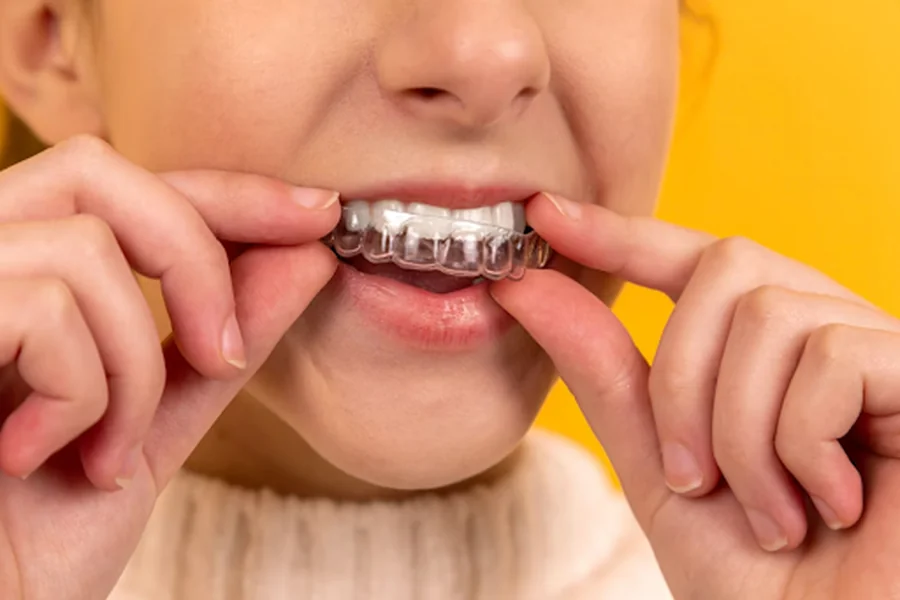
According to the American Association of Orthodontists, children should receive their first orthodontic evaluation by age 7 — yet many parents wait until obvious problems develop, missing the critical window when jaw growth can be guided most effectively. As pediatric dentistry increasingly emphasizes prevention over correction, early orthodontic intervention has emerged as one of the most powerful tools for shaping not just straight teeth, but proper facial development and long-term oral health.
The stakes extend far beyond aesthetics. Children’s jaws grow rapidly between ages 6 and 10, creating a unique opportunity to influence how permanent teeth emerge and how facial structures develop. Missing this window often means more complex, lengthy, and expensive treatment later — along with potential impacts on speech, breathing, and self-esteem during crucial developmental years.
For parents watching their child’s permanent teeth come in, understanding when early intervention makes sense and what it can accomplish becomes essential for making informed decisions about their child’s oral health future.
Why Early Orthodontic Assessment Matters
The American Dental Association emphasizes early orthodontic evaluation not because every seven-year-old needs braces, but because this age reveals critical information about how a child’s bite and jaw development are progressing. By age 7, children have enough permanent teeth — typically the front teeth and first molars — for an orthodontist to identify potential problems while there’s still time to guide growth rather than simply correct it later.
Consider a child whose upper jaw is developing too narrowly compared to the lower jaw. At age 7, an orthodontist can use a palatal expander to gradually widen the upper arch, creating space for permanent teeth and improving the bite relationship. Wait until age 12, and the same problem requires more complex treatment — potentially including tooth extraction or even jaw surgery in severe cases.
Early assessment also catches habits that interfere with normal development. Thumb sucking past age 5, tongue thrusting, or mouth breathing can push teeth out of alignment and affect jaw growth patterns. Identifying these issues early allows for habit modification techniques and appliances that redirect growth before permanent damage occurs.
The timing matters because children’s bones are still developing and respond readily to gentle, consistent pressure. The sutures in the skull don’t fuse completely until the late teens, making childhood the ideal time for expansion and growth modification. What takes months to accomplish in a young child might require years of more intensive treatment — or surgical intervention — in an adolescent or adult.
Perhaps most importantly, early evaluation doesn’t commit families to immediate treatment. Instead, it establishes a baseline for monitoring development and identifies the optimal timing for intervention if treatment becomes necessary. Many children simply need periodic observation, while others benefit from early action that prevents more serious problems from developing.
How Early Orthodontics Guides Jaw Growth and Tooth Development
Early orthodontic treatment works by harnessing the natural growth processes already occurring in a child’s mouth and face. Unlike braces for teenagers that primarily move teeth within existing bone structure, early intervention can actually influence how the jaws develop, creating better proportions and more space for incoming permanent teeth.
The science behind this approach centers on the malleability of growing bone. Children’s jawbones contain growth centers that remain active until the mid-to-late teens, responding to the forces applied by orthodontic appliances. A palatal expander, for instance, applies gentle outward pressure to gradually separate the two halves of the upper jaw, which don’t fuse until around age 16. This expansion increases the width of the dental arch, creating room for crowded teeth and improving the relationship between upper and lower jaws.
Guiding proper jaw growth becomes particularly crucial when dealing with skeletal imbalances — situations where the upper and lower jaws aren’t growing in proper proportion to each other. An upper jaw that’s too small relative to the lower jaw can cause crossbites and breathing problems, while an overactive lower jaw can lead to underbites that become increasingly difficult to correct with age. Early appliances like functional appliances or headgear can redirect growth forces, encouraging more balanced facial development.
Creating space for emerging teeth represents another key benefit of early intervention. The transition from baby teeth to permanent teeth doesn’t always go smoothly — permanent teeth are significantly larger than the baby teeth they replace, and today’s children often have smaller jaws than previous generations. When space deficiency becomes apparent early, orthodontists can use expansion appliances or space maintainers to ensure adequate room for proper tooth eruption.
The biological window for this type of intervention closes gradually as children mature. Growth modification remains most effective during the mixed dentition stage (roughly ages 7-11), when both baby and permanent teeth are present. During this period, the combination of ongoing jaw growth and tooth eruption creates optimal conditions for orthodontic treatment options that can fundamentally improve the architecture of a child’s mouth.
Research consistently demonstrates that addressing certain problems early leads to more stable, long-lasting results than waiting for all permanent teeth to erupt. The jaw positions and tooth relationships established during childhood tend to be more stable because they’re achieved through guided growth rather than forced movement of mature structures.
Long-Term Oral Health Benefits of Early Intervention
The benefits of early orthodontic treatment extend far beyond creating an attractive smile — they lay the foundation for a lifetime of better oral health by addressing problems that become increasingly difficult to manage over time. When teeth are properly aligned and jaws function correctly from an early age, the entire oral environment becomes more conducive to health and easier to maintain.
Preventing tooth decay and gum disease becomes significantly easier with properly aligned teeth. Crowded, crooked, or overlapping teeth create hard-to-reach areas where plaque accumulates despite diligent brushing and flossing. These bacterial deposits lead to cavities and gum inflammation that can progress to more serious periodontal disease. Early orthodontic intervention that improves tooth alignment eliminates many of these problem areas, making daily oral hygiene more effective and reducing the long-term risk of dental disease.
The relationship between bite problems and oral health complications becomes particularly evident in cases of crossbites or severe crowding. A crossbite, where upper teeth bite inside lower teeth, can cause uneven wear patterns that weaken tooth enamel over time. Severe crowding not only harbors bacteria but can also lead to impacted teeth that fail to erupt properly, potentially requiring surgical intervention later.
Supporting proper bite development and oral hygiene creates a cascading effect of health benefits. When the bite functions correctly, chewing forces distribute evenly across all teeth rather than concentrating stress on specific teeth that can crack or wear prematurely. This balanced function also reduces strain on the temporomandibular joints (TMJ), potentially preventing jaw pain and dysfunction that can develop during adolescence or adulthood.
Early intervention that establishes proper tongue posture and swallowing patterns contributes to oral health in unexpected ways. Children who develop correct oral function are less likely to experience chronic mouth breathing, which dries oral tissues and increases cavity risk. They’re also more likely to maintain the muscle balance necessary for facial stability as they grow.
Perhaps most significantly, the oral health habits established during early orthodontic treatment often persist throughout life. Children who learn to maintain clean, well-aligned teeth during treatment typically continue those practices long after appliances are removed, creating a foundation for lifelong oral health that extends well beyond the teenage years when most orthodontic problems are traditionally addressed.
Emotional and Functional Benefits for Children
The psychological and functional advantages of early orthodontic intervention often prove as valuable as the physical improvements, particularly during the crucial elementary and middle school years when children become increasingly aware of their appearance and peer acceptance becomes paramount.
Speech development benefits significantly from early orthodontic treatment, especially when jaw relationships or tooth positions interfere with proper tongue placement. Children with severe overbites, crossbites, or significant crowding may develop speech patterns that compensate for these structural problems, leading to lisps, difficulty with certain consonants, or unclear articulation. Addressing these issues early allows speech patterns to develop normally, avoiding the need for both orthodontic treatment and extensive speech therapy later.
The confidence boost that comes with improved appearance and function can’t be overstated. Elementary school children with severely crooked teeth, prominent front teeth, or gaps often become self-conscious about smiling, laughing, or speaking in class. This self-consciousness can affect academic participation, social interactions, and overall emotional development. Early treatment that addresses these concerns during the elementary years allows children to navigate the challenging middle school period with greater confidence.
Functional improvements in chewing and breathing often accompany early orthodontic treatment. Children with narrow upper jaws may struggle with nasal breathing, leading to mouth breathing habits that affect sleep quality, concentration, and even facial development. Palatal expansion that widens the upper jaw simultaneously widens the nasal airway, improving breathing function and potentially addressing issues like snoring or restless sleep.
The timing of these improvements matters significantly for childhood development. A child who receives early treatment and experiences improved function and confidence during elementary school enters adolescence with these benefits already established. This contrasts sharply with children who undergo treatment during middle or high school, when peer relationships are more complex and self-image concerns are often more intense.
Research in pediatric psychology suggests that children who address orthodontic problems early experience less treatment-related anxiety and adapt more readily to appliances than adolescents. Younger children typically view orthodontic treatment as a normal part of growing up rather than a disruption to their established social identity, leading to better cooperation and more successful outcomes.
How Early Orthodontics Compares to Treatment in Adolescence
The choice between early intervention and waiting until adolescence involves weighing distinct advantages and challenges that affect both treatment outcomes and the overall experience for children and families. Understanding these differences helps parents make informed decisions about timing.
Early treatment typically addresses skeletal and developmental issues while growth is still active, often preventing problems from becoming more severe. A child who receives palatal expansion at age 8 may avoid tooth extractions that would be necessary if treatment begins at age 13, when the upper jaw can no longer be expanded non-surgically. Similarly, functional appliances that guide jaw growth work most effectively before the pubertal growth spurt ends.
However, comprehensive adolescent treatment offers the advantage of addressing all permanent teeth at once, potentially reducing the total treatment time and number of appliances needed. Some orthodontists prefer this approach for children with mild to moderate problems that don’t require growth modification, arguing that a single phase of treatment during the teenage years can be more efficient than two separate phases.
The cooperation factor differs significantly between age groups. While younger children generally adapt well to appliances and follow instructions reliably, they may struggle with the responsibility of removable appliances or maintaining excellent oral hygiene. Teenagers often demonstrate better oral hygiene and appliance care but may resist treatment due to aesthetic concerns or busy schedules.
Cost considerations vary depending on the complexity of treatment needed. Early intervention that prevents the need for tooth extractions, jaw surgery, or prolonged adolescent treatment can be more economical in the long term, despite requiring investment at an earlier age. Conversely, waiting until adolescence might be more cost-effective for children whose problems don’t worsen significantly with time.
The decision ultimately depends on the specific orthodontic issues present, the child’s maturity level, and family circumstances. The key lies in having early evaluation to identify which problems benefit from immediate intervention and which can be safely monitored until adolescence, ensuring that each child receives treatment at the optimal time for their individual needs.
Ultimately, partnering with a skilled professional allows you to map out a clear, predictable timeline tailored to your child’s natural structural development. According to this professional cosmetic dentist in Lafayette LA, regular monitoring visits ensure that whether intervention happens early or during the teenage years, the resulting smile is built on a perfectly aligned, healthy foundation.
