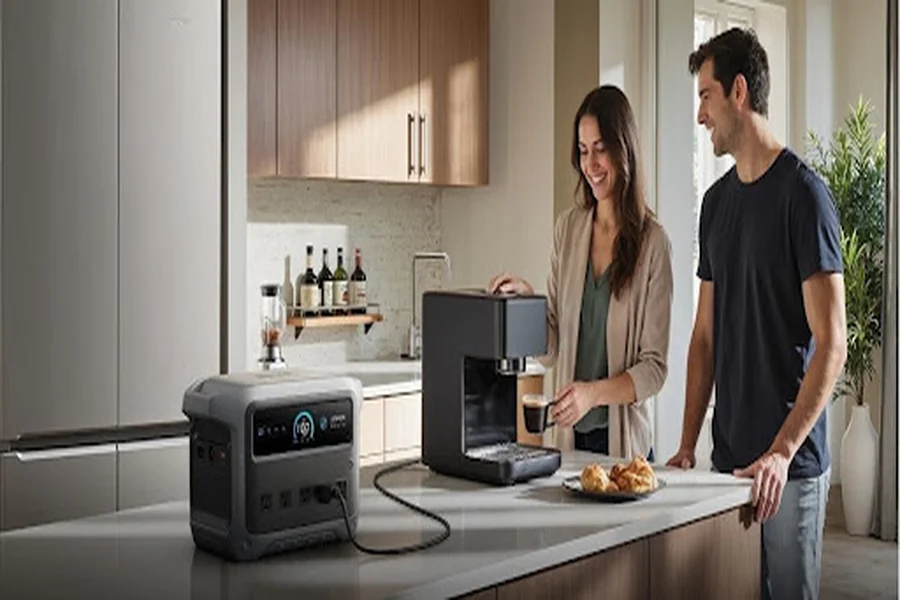
A portable power station can handle appliance surges if its surge rating, continuous output, and inverter design match the equipment you want to run. This matters most with devices that use motors or compressors, such as refrigerators, freezers, pumps, and some power tools. They often draw more power for a brief moment when starting than they need while running normally. If that temporary demand exceeds the power station’s capability, the unit may shut down, trip overload protection, or fail to start the appliance even though the running wattage looks acceptable on paper.
Why Do Some Appliances Need Extra Power at Startup?
Identify Startup Demands From Motors and Compressors
Appliances with motors and compressors need extra power at startup because they must overcome inertia and begin moving mechanical parts from a standstill. A refrigerator compressor, small air pump, circular saw, or blender can briefly draw far more wattage than its normal operating level during those first seconds. This is often called inrush current or startup surge. Resistive appliances such as kettles, toasters, and electric heaters usually do not behave this way because they create heat directly instead of driving a motor. Knowing which category your appliance falls into helps you predict whether a portable power station will run it smoothly or trigger protection as soon as the device switches on unexpectedly.
Distinguish Appliance Startup Surges From Voltage Spikes
A startup surge is not the same as a voltage spike. A startup surge refers to the short burst of extra power an appliance draws when its motor or compressor turns on. It is a normal operating characteristic of many devices and is measured in watts or current draw over a brief period. A voltage spike, by contrast, is an abnormal jump in electrical voltage caused by grid issues, switching events, or lightning. Portable power station surge ratings are meant to handle appliance inrush, not to absorb severe external electrical disturbances. Understanding that difference helps you read specifications correctly and prevents confusion when checking whether a power station can start demanding household equipment safely.
How Can You Check Whether Your Power Station Can Cope?
Match Running Loads to Continuous Output
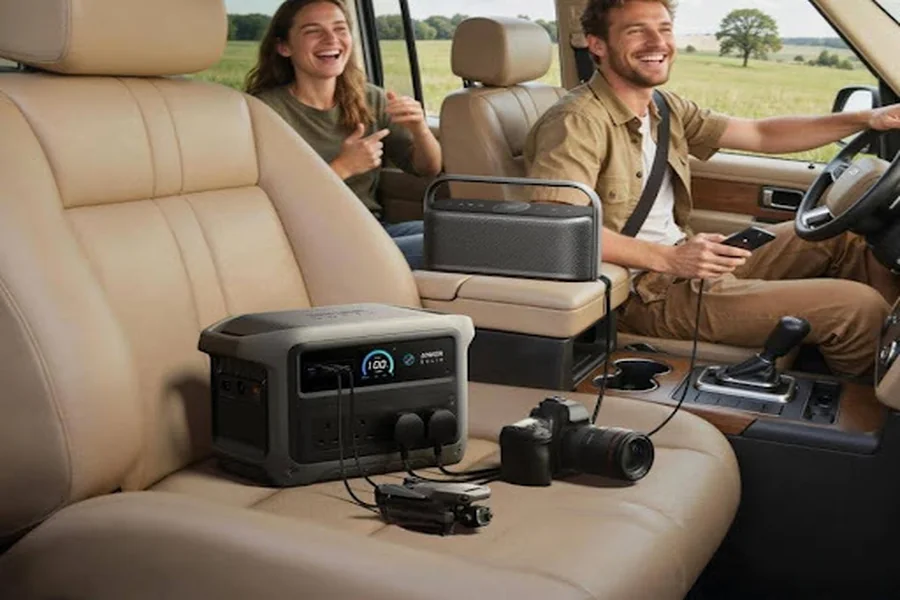
Start by checking the appliance’s running wattage and comparing it with the power station’s continuous AC output. The continuous rating is the amount of power the unit can supply steadily, not just for a brief burst. Your total running load should stay below that number, with some margin left for efficiency losses and fluctuations. For example, the Anker SOLIX C1000 Gen 2 Portable Power Station delivers 2,000W output, 3,000W peak, and 1,024Wh capacity. That means several smaller appliances can run together if their combined steady draw remains within 2,000W. Capacity, measured in watt-hours, affects runtime, while output determines whether the appliance can operate in the first place safely.
Check Startup Power and Duration Against Surge Capability
After confirming the running load, compare the appliance’s startup demand with the power station’s surge or peak rating. This rating shows how much extra power the inverter can deliver briefly to absorb inrush current when a motor or compressor starts. If an appliance runs at 700W but needs 1,800W for a second at startup, the power station must cover that short burst without exceeding its limit. Duration matters because surge support is temporary, not continuous. Check the manufacturer’s specifications for both the appliance and the power station whenever possible. If startup demand exceeds surge capability, the appliance may stall, the inverter may trip, or overload protection may activate.
How Should You Connect Appliances With High Startup Loads?
Allow Headroom for Equipment Already Running
When connecting an appliance with a high startup load, leave enough unused output for the surge to happen without pushing the power station beyond its limit. If other devices are already running, their combined wattage reduces the available headroom for a compressor, pump, or tool to start. For example, a fridge that normally runs comfortably might fail to restart if lights, chargers, and a microwave are already drawing power at the same time. Add up the active loads before switching on the next appliance. A practical approach is to keep the total steady draw well below the continuous output so the inverter has room to absorb brief startup peaks more reliably.
Stagger Appliance Starts and Respond to Overload Shutdowns
Staggering appliance starts is one of the simplest ways to avoid overload. Turn on high-surge devices one at a time rather than letting multiple motors or compressors start together. This reduces the chance of overlapping inrush demands that exceed the inverter’s surge capability. If the power station shuts down or shows an overload warning, disconnect the appliance, let the unit reset if required, and reduce the connected load before trying again. Do not keep forcing repeated restarts, because the issue is usually power demand, not a faulty outlet. Check whether the appliance cycles automatically, since compressors and pumps may restart on their own and create another surge unexpectedly.
Conclusion
A portable power station can handle appliance surges when its continuous output covers the running load and its surge rating covers startup demand for the required time. Motors and compressors are the main concern, so refrigerators, pumps, and power tools deserve extra attention before you plug them in. Read both sets of specifications, keep spare output available, and avoid starting several high-surge devices together. When you size the power station correctly and connect appliances thoughtfully, startup loads become manageable rather than a frustrating cause of overload trips or failed starts.

