
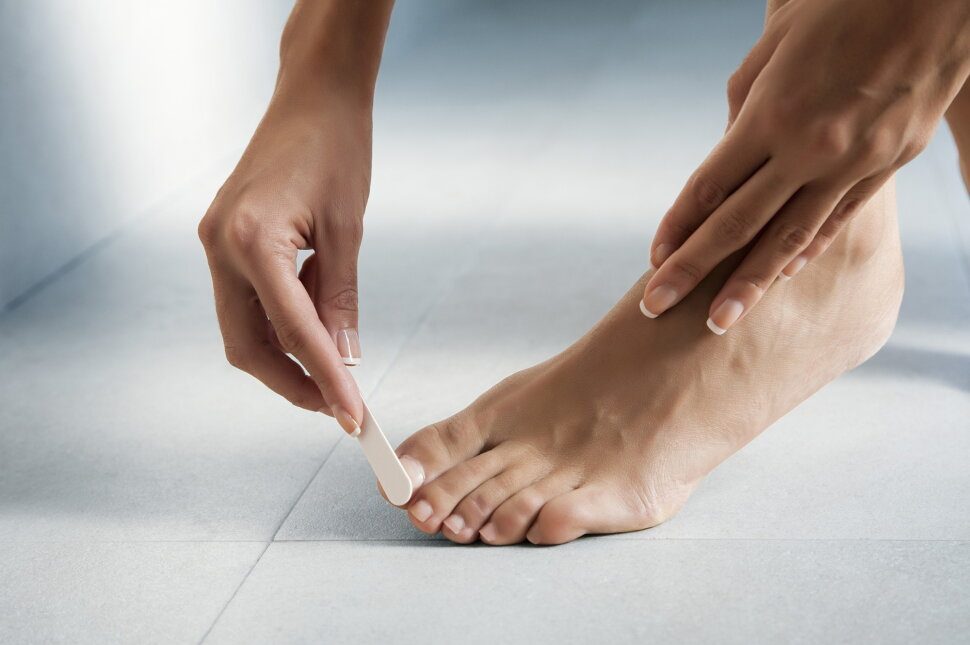
Ingrown toenails often start with tenderness at one corner, then progress to redness, swelling, and pain in shoes. That discomfort encourages people to dig, cut, soak, or press the nail into place at home. Some popular remedies irritate the skin or push the nail deeper. Knowing which approaches to avoid, what safe care looks like, and when to seek help prevents a minor problem from becoming harder to treat.
Digging Under the Nail
Using tweezers, scissors, needles, or nail files to dig into the nail edge creates small breaks in the skin. Those breaks allow bacteria to enter and often increase bleeding, swelling, and tenderness. If this pain continues, professional ingrown toenail treatment can identify the cause and address the nail edge without further damaging the surrounding skin.
Cutting deeper into the corner also leaves a sharper nail edge that continues pressing into the skin. Cotton or dental floss wedged beneath the nail is another common suggestion. It can add pressure to an already inflamed area and become difficult to remove if fluid or blood is present. Stop manipulating the nail if the skin is broken, the toe is draining, or walking has become painful.
Irritating Soaks and Household Chemicals
Warm water can clean the toe and soften surrounding skin, but harsh substances do not remove the part of the nail causing the problem. People often try hydrogen peroxide, methylated spirits, bleach, or undiluted vinegar. These products irritate tissue and delay healing, especially when the skin already has a cut.
A safer approach is simple: wash the toe gently with clean water and mild soap, then dry it carefully. Wear roomy shoes or open sandals to reduce pressure. Do not apply a household chemical to an open wound, and do not keep soaking the toe if the skin becomes pale, wrinkled, or more painful.
Forcing the Nail to Change Shape
Cutting a V into the centre of the nail does not make the corners grow away from the skin. Filing the top of the nail until it feels thin also fails to correct the side edge that is causing the pressure. Repeated trimming can leave an uneven surface and make the nail harder to assess.
If the problem is mild and the skin remains intact, trim the nail straight across when it grows long. Leave the corners visible rather than rounding them deeply. A professional treatment can address the cause when home care is not settling the pain, especially when the nail curves naturally or the problem keeps returning.
Covering Up Signs of Infection
Antiseptic creams and dressings do not correct an embedded nail edge. A dressing can protect a small area from rubbing, but covering the toe should not delay an assessment when redness spreads or fluid develops. Do not squeeze a swollen nail fold or try to drain it yourself.
Arrange a podiatry assessment if you notice:
- Increasing redness, heat, swelling, or throbbing pain.
- Pus, bleeding, an unpleasant smell, or a wound besides the nail.
- Redness spreading beyond the immediate nail fold.
- Repeated episodes affecting the same toe.
People with diabetes, reduced circulation, nerve loss, or a weakened immune system should seek professional advice promptly rather than managing an inflamed toe alone.
What Professional Care Can Do
A podiatrist first checks the nail edge, surrounding skin, possible infection, footwear pressure, and factors such as trauma or fungal nail changes. Mild cases can receive conservative care, while recurring or more severe cases need a procedure that removes the offending edge. Some nails also suit a brace that guides growth without surgery.
Do not assume surgery is the first step. Treatment depends on the nail, symptoms, medical history, and daily activities. If a procedure is needed, local anaesthetic prevents pain during treatment, although the toe can remain mildly uncomfortable afterwards. Follow the dressing and footwear instructions given for aftercare.
Conclusion
The safest home approach is gentle cleaning, pressure reduction, and leaving the nail edge alone. Skip digging, harsh chemicals, deep corner cutting, and homemade devices that press beneath the nail. Book a podiatry assessment if pain persists, the problem returns, or infection signs appear. Early care reduces tissue damage and helps identify whether conservative treatment or a minor procedure is appropriate.