
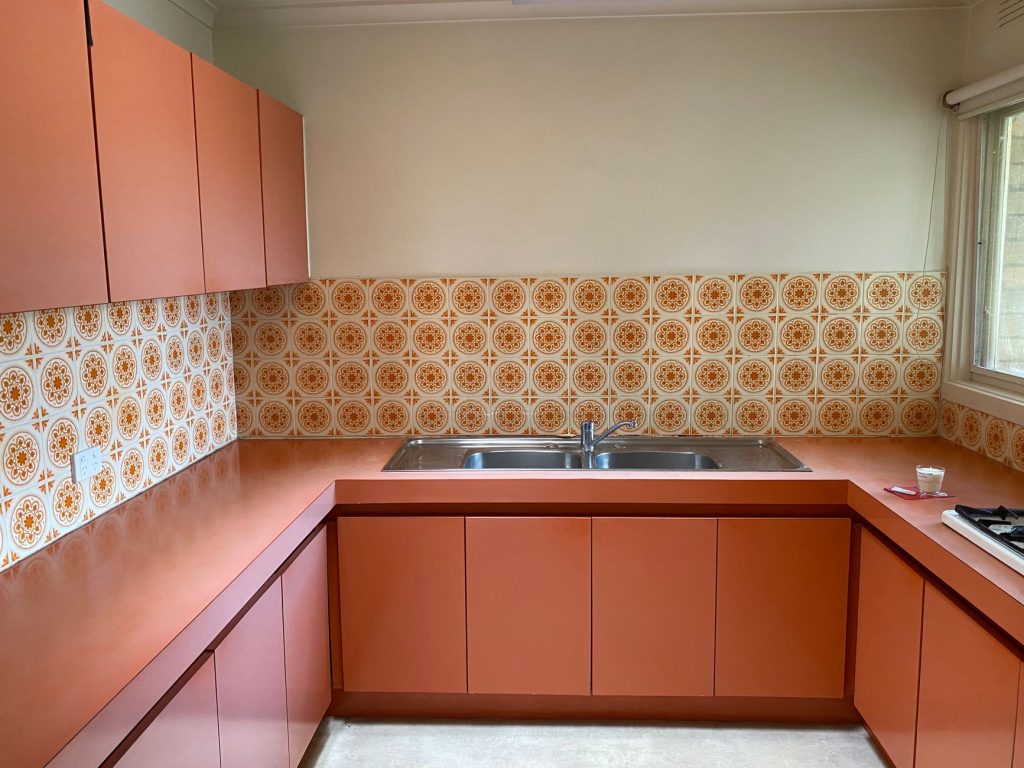
A kitchen resurfacing project can refresh a dated room without removing every cabinet or changing its layout. Homeowners with sound cabinet boxes can update the colour, style and function while keeping useful storage. The result depends on the cabinetry’s condition and the finishes selected. Knowing what resurfacing includes, where it falls short and how to plan the work helps homeowners decide whether it suits their kitchen before committing to a larger project.
Sound cabinet boxes and dated doors do not always call for a full rebuild. For homeowners, kitchen resurfacing in Brisbane can involve replacing doors, drawer fronts and hardware while keeping the carcasses. The layout, plumbing and benchtop usually stay, subject to an assessment. This suits sound cabinetry but cannot fix swollen boards or poor storage planning.
What Resurfacing Changes
Resurfacing updates the visible cabinet elements. A typical project replaces doors and drawer fronts, then covers exposed cabinet sides or frames with a new surface. Installers can also fit new handles or hinges. The cabinet carcasses, benchtop and room layout stay in place, avoiding the demolition required for cabinet replacement.
The method depends on the existing finish and chosen material. Preparation can include removing laminate, sanding the substrate and applying veneer or laminate. Accurate measurements matter because replacement fronts must fit the cabinet openings. Before choosing finishes, homeowners should ask the installer to confirm which surfaces are included.
When Resurfacing Suits
Keeping sound cabinet boxes avoids replacing storage that already works. It also limits material removal and kitchen disruption compared with replacing the cabinets. Households keep familiar drawer and shelf positions, which suit a layout that supports daily cooking and needs mainly a visual update.
New door profiles, handles or colours can change the room without moving plumbing, electrical points or appliances. Resurfacing suits kitchens with dated or damaged doors and square, dry, securely fixed cabinet boxes. It gives homeowners the option of leaving the kitchen as is or planning a full renovation.
Where It Falls Short
Resurfacing cannot fix a poor layout or add missing storage. Water-damaged, swollen, or loose cabinet boxes need repair or replacement before you install new finishes. A cracked benchtop, poor join, or unsuitable work area also remains unchanged unless the project includes a separate replacement.
Check each cabinet thoroughly, including the areas beneath the sink and beside the dishwasher. These spots often show moisture damage first. Uneven doors can point to worn hinges, while a warped cabinet carcass signals a more profound problem. A list of defects helps the installer assess whether resurfacing is suitable.
Planning The Work
Start with a list of the changes needed, such as new door colours, surface textures, handles, hinges or end panels. Take photos in daylight and note any doors that stick, drawers that scrape or shelves that no longer suit household needs. A clear brief helps separate cosmetic updates from repairs or layout changes.
Ask for a written scope that lists the surfaces to be removed, prepared, covered or replaced. It should state whether hardware, disposal and repairs are included. Compare quotes by their scope and materials, not the headline price alone. Confirm access requirements and when cooking facilities will be unavailable.
View finish samples, including the benchtop, flooring, and wall colour, since kitchen lighting changes how colours appear. Glossy finishes show fingerprints more readily than matte or textured options, while dark colours can make a compact room feel smaller. Check the cleaning instructions before selecting a finish.
Caring For New Surfaces
Routine care needs no specialist products. Wipe spills promptly with a soft, damp cloth, then dry areas around sinks and cooking zones. Avoid abrasive pads and harsh cleaners unless the finish maker approves them, as they can dull or scratch the surface. Use an extractor fan while cooking to limit grease and moisture around cabinet edges.
Check hinge screws regularly and tighten loose fixings before doors sag or scrape. Small adjustments help keep the new fronts aligned with adjoining doors.
Conclusion
Kitchen resurfacing gives a kitchen a new look when its cabinet carcasses remain sound and the layout still works. It updates visible surfaces while leaving storage positions and most surrounding fittings in place, so get an inspection before accepting a quote. Homeowners can photograph defects, list desired changes and request a written scope covering preparation, materials, hardware and repairs. An installer’s assessment will show whether resurfacing suits the kitchen or a broader renovation makes more sense.

