
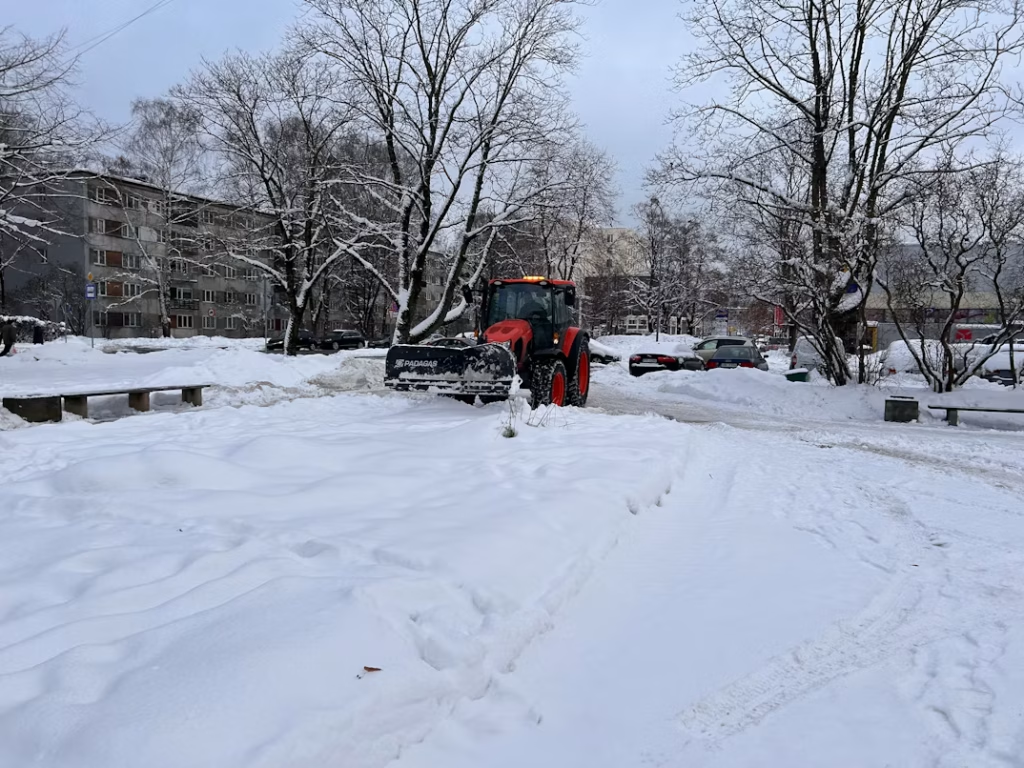
Canadian winters create a slew of commercial property maintenance needs: parking lots have to remain accessible, walkways need constant attention, drainage has to account for freeze-thaw cycles, and outdoor maintenance overall becomes harder to perform with snow on the ground. Property managers who prepare early have far more control over these responsibilities than anyone trying to solve them after crews are already booked.
That means securing commercial snow removal well before the first major storm. Contractors need time to understand your property, identify priority areas, confirm equipment access, and determine where cleared snow can safely be placed. Those decisions are much easier to make when the site is dry, visible, and easy to inspect.
Walk the Property Before Snow Hides the Problems
Take a thorough walk around the property while you can still see the pavement, curbs, drains, stairs, and landscaping.
Look for cracked or uneven walking surfaces, loose handrails, potholes, damaged curbs, and drainage problems. Small defects are much harder to see when they’re covered with snow. They’re often the ones that interfere with plowing or create places where melt water collects and later freezes.
Don’t forget about lighting. Check entrances, parking areas, walkways, stairs, ramps, and loading areas after dark. Poor visibility makes recognizing winter hazards harder for tenants, customers, employees, and contractors.
Build a Snow and Ice Response Plan
Knowing who plows the parking lot is only part of winter planning. You also need to establish who’s responsible for sidewalks, entrances, stairs, emergency exits, loading zones, and areas that need attention between scheduled visits.
Your plan should also address de-icing, freezing rain, overnight refreezing, and snowfalls that continue throughout business hours. The Government of Ontario’s guidance on preventing slips, trips, and falls in the workplace outlines responsibilities and considerations regarding drainage, lighting, engineering, and general hazard controlof fall risks.
Documenting your plan makes responsibilities clear when several employees, tenants, or contractors share a property.
Decide Where the Snow Will Go
After several storms, badly positioned snow piles can block sightlines, take up too many parking spaces, obstruct pedestrian routes, or interfere with drainage.
Identify designated piling areas in advance. Keep snow away from entrances, accessible parking routes, fire lanes, catch basins, utility equipment, and locations where melting snow could flow across a walkway and refreeze.
Confirm Service Triggers and Escalation Procedures
Before winter, review exactly what triggers each contractor response and where responsibility changes hands. Your agreement should account for more than an “average” snowfall. Freezing rain, drifting, flash freezes, and storms that span multiple shifts can all create conditions that require additional visits or treatment.
Establish who has authority to request extra service, how after-hours concerns are escalated, and how priority areas are handled when conditions worsen faster than expected. If multiple vendors are responsible for different parts of the property, make sure there are no gaps between their scopes.
Tighten Up Your Documentation
Winter maintenance records matter when you’re evaluating contractor performance, responding to a tenant concern, or reconstructing what happened after an incident.
Determine what records you expect before the season starts. Depending on the property, that may include arrival and departure times, weather conditions, areas serviced, materials applied, site observations, photographs, and follow-up visits.
The Insurance Bureau of Canada recommends setting and maintaining regular maintenance standards and specifically advises businesses to document snow and ice removal as part of managing property risks. A consistent reporting process is considerably more useful than trying to piece together service details weeks or months later.
Protect Access to Critical Infrastructure
Review the site plan with winter conditions in mind. Fire department connections, hydrants, gas meters, electrical equipment, loading areas, waste enclosures, emergency exits, and mechanical equipment all need reliable access throughout the season.
Also identify areas where normal snow-clearing operations could create secondary problems. Plowed snow can restrict access to equipment, damage curbs or landscaping, or redirect meltwater toward loading docks and pedestrian areas.
Get the Property Winter-Ready Before the Forecast Forces Your Hand
Once winter operations begin, your attention should be on execution rather than correcting preventable gaps in contracts, access, documentation, or site conditions.
Use the remaining fall maintenance window to close those gaps and confirm that everyone responsible for the property knows the plan. The first significant snowfall should test your preparations, not expose everything that was left unfinished.

