
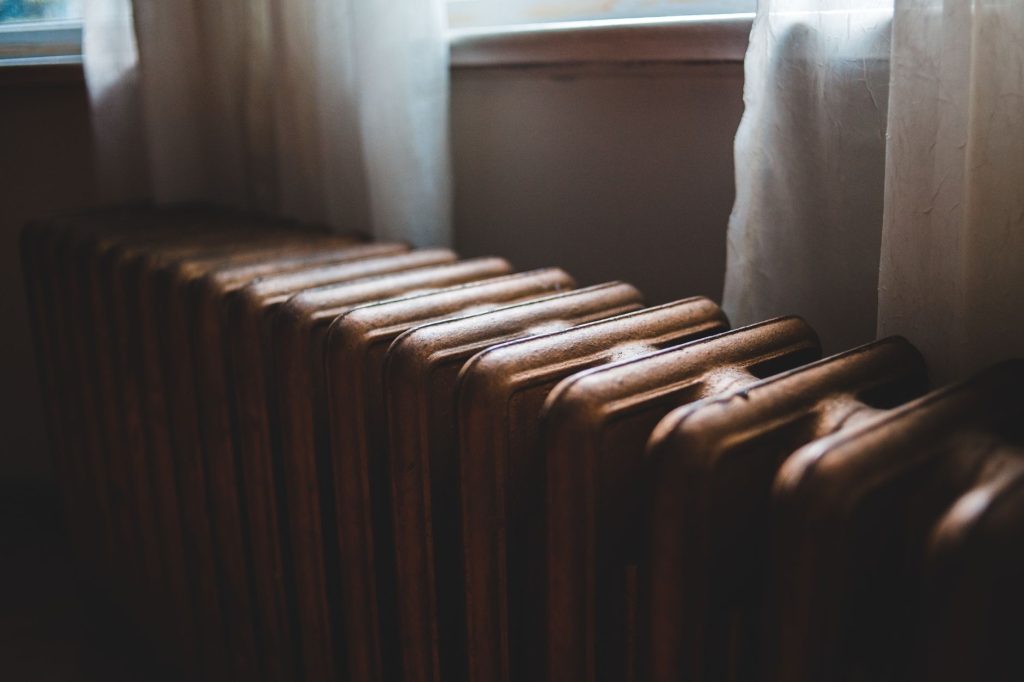
Homeowners living in older properties often encounter a range of heating and cooling challenges that affect comfort, energy use, and system reliability year-round. As buildings age, mechanical systems and structural elements begin to wear out, leading to uneven temperatures, inconsistent airflow, and rising utility costs that can be frustrating to manage. Many older homes were built before modern efficiency standards, so their systems were not designed to meet today’s expectations.
Understanding these issues helps property owners recognize early warning signs and take action before small concerns become major repairs or replacements that disrupt daily living and indoor comfort.
Common HVAC Issues in Older Homes
-
Aging Furnace Performance and Efficiency Decline
Older properties often rely on heating systems in place for decades, and these furnaces typically lose efficiency as internal components wear out over time. Heat exchangers, burners, and motors can gradually degrade, leading to longer heating cycles and uneven warmth throughout the home. As efficiency drops, homeowners may notice higher energy bills even when usage patterns remain the same. Dust buildup and outdated technology further reduce performance, making it harder for systems to maintain consistent indoor temperatures during colder months. In many cases, replacement parts become difficult to source, which can delay repairs and extend periods of discomfort.
Regular attention and timely upgrades can help restore performance and reduce strain on aging equipment, while improving overall indoor climate control for daily comfort. Homeowners often overlook gradual furnace decline until comfort issues become persistent during seasonal changes occur regularly.
-
Airflow Problems and Ductwork Leakage in Aging Homes
Many older properties experience uneven airflow due to aging duct systems that were not designed for modern heating and cooling demands. Over time, duct joints loosen, seals weaken, and small gaps form, allowing conditioned air to escape into walls, attics, or crawl spaces. This reduces overall efficiency and creates temperature differences between rooms, making some areas too warm while others remain too cool. Dust and debris accumulation inside ducts can further restrict airflow, forcing systems to work harder and increasing wear on mechanical components.
In some homes, poorly configured duct layouts from earlier renovations continue to affect circulation patterns, contributing to persistent comfort issues. In these situations, local heating and cooling services by Price Heating & Air Conditioning can help assess airflow performance and identify hidden leakage points that impact system balance and energy use. Routine inspections often improve long-term performance.
-
Thermostat Malfunctions and Temperature Inconsistencies
Older homes often contain thermostats that no longer provide accurate readings due to age, dust accumulation, or outdated calibration mechanisms. When thermostats fail to communicate properly with heating and cooling systems, homeowners may experience frequent temperature swings, where rooms feel too hot or too cold without clear reason. In some cases, older manual or early digital models lack the sensitivity needed to regulate modern HVAC systems effectively, resulting in uneven comfort throughout different parts of the home. Wiring issues behind wall-mounted units can also contribute to inconsistent signals, further complicating temperature control.
These problems often go unnoticed until energy bills increase or comfort levels drop noticeably. Upgrading or recalibrating thermostat systems can help restore balance and improve responsiveness across the entire property, supporting more stable indoor environments during seasonal changes and daily use. Regular thermostat checks help prevent long periods of discomfort during seasonal shifts.
-
Refrigerant Leaks and Cooling System Strain
Cooling systems in older homes often face challenges related to refrigerant loss, which can significantly reduce their ability to maintain comfortable indoor temperatures during warmer months. As refrigerant levels drop, air conditioners must work harder to produce cool air, leading to increased energy consumption and reduced system lifespan. Small leaks in coils, connectors, or aging piping can go unnoticed for extended periods, gradually affecting performance without immediate visible signs. Homeowners may notice that certain rooms remain warmer than others or that cooling cycles run longer than usual.
Over time, these issues place additional stress on compressors and other critical components, increasing the likelihood of breakdowns. Addressing refrigerant issues early helps maintain system stability and supports more consistent cooling performance across the entire property, especially during peak seasonal heat demands when systems are under the greatest strain. Early detection significantly reduces long-term repair costs.
-
Electrical and Mechanical Wear Affecting HVAC Systems
Older heating and cooling systems often experience electrical degradation over time, especially in homes where wiring has not been updated to match modern energy demands. Connections within control panels can loosen, insulation around wires may deteriorate, and relays can become less responsive, all of which contribute to inconsistent system operation. Mechanical wear also plays a significant role, as moving parts such as fans, belts, and motors gradually lose efficiency after years of continuous use.
These combined issues can lead to intermittent system failures, unexpected shutdowns, or reduced heating and cooling output. In some cases, outdated circuit designs struggle to handle current loads, increasing the risk of overheating components and further system instability. Regular inspection of both electrical and mechanical components helps identify early signs of deterioration, supporting safer operation and more reliable temperature regulation throughout the home. Timely repairs prevent system failure.
-
Insulation Gaps and Humidity Control Issues
Older homes often suffer from inadequate insulation and poor humidity control, both of which significantly impact heating and cooling performance. Gaps in insulation allow conditioned air to escape while permitting outdoor air to enter, making it difficult for HVAC systems to maintain stable indoor temperatures. This constant air exchange increases energy use and places additional strain on equipment, especially during extreme weather conditions. Humidity imbalances can also create discomfort, as overly dry or excessively humid air affects how temperature is perceived within living spaces. In many cases, older building materials were not designed to meet current energy-efficiency standards, leading to ongoing challenges in maintaining consistent indoor environments.
Addressing these issues often requires a combination of structural improvements and system adjustments that work together to improve overall comfort and efficiency across the property. Sealing improvements often significantly reduce seasonal energy loss.
-
Neglected Maintenance and Rising Safety Concerns
Many older heating and cooling systems suffer from inconsistent maintenance, leading to gradual performance decline and an increased risk of unexpected breakdowns. When filters, coils, and internal components are not cleaned or inspected regularly, debris can accumulate, restricting airflow and reducing system efficiency. Over time, this neglect can also create safety concerns, particularly when worn electrical components or overheating parts go unnoticed. Homeowners may experience frequent system interruptions, unusual noises, or reduced temperature control as systems struggle to function under added strain.
In some cases, small issues that could have been addressed early develop into larger mechanical failures requiring significant repair work. Regular maintenance routines help extend system lifespan and support stable operation, ensuring that heating and cooling systems continue to function reliably even in older properties with long-standing infrastructure challenges. Preventive servicing reduces long-term repair frequency significantly overall.
Older properties continue to present heating and cooling challenges that affect comfort and efficiency over time. Aging systems, insulation gaps, airflow restrictions, and mechanical wear all contribute to inconsistent indoor environments across many homes. Homeowners often notice rising energy bills, uneven temperatures, and reduced system reliability when these issues go unaddressed early. Proper attention to system maintenance and timely improvements can help restore balanced performance and improve overall indoor comfort. Consistent care ensures that older heating and cooling systems continue operating more reliably while reducing unnecessary strain on aging components and overall performance.

