
Introduction: The Challenge of Growth
Urban growth is often celebrated as a sign of progress, yet it comes with its own set of challenges. Denver, like many expanding cities, is experiencing shifts in demographics, rising population density, and the pressures of balancing tradition with modernization. Amid these changes, people are looking for spaces that create genuine connections, foster discipline, and strengthen community bonds. Surprisingly, martial arts training may hold part of the solution.
Martial Arts as a Social Equalizer
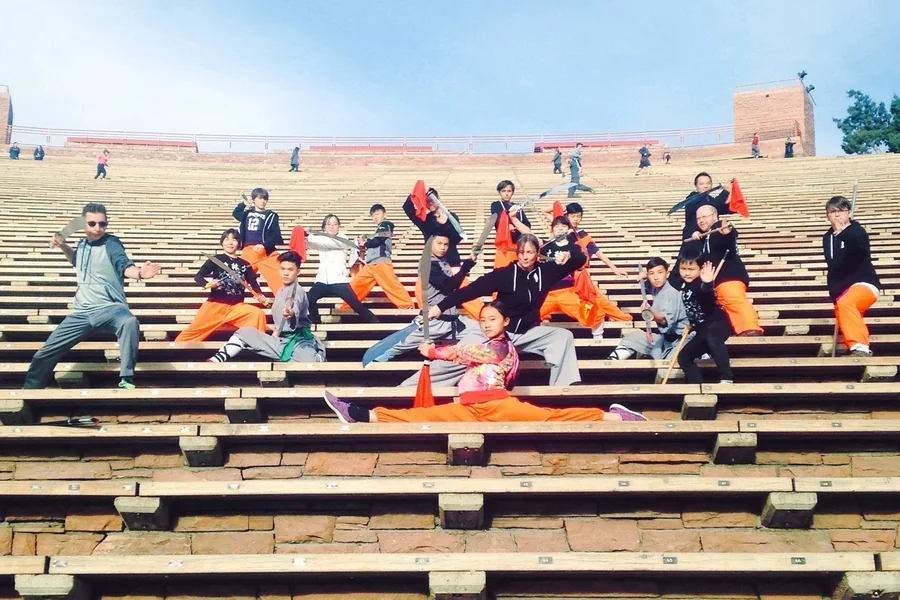
Unlike many activities segmented by age, background, or socioeconomic status, martial arts offers a level playing field. In a dojo, belts signify rank, not income or profession. A newcomer in their twenties might train alongside a retiree, while a child may bow in respect to both. These rituals and shared practices create an environment where barriers dissolve.
In rapidly growing cities, where newcomers and long-time residents often feel disconnected, this type of equalizer becomes invaluable. Martial arts schools provide a rare space where people of different cultures and walks of life come together, driven by shared goals rather than external differences.
Discipline as a Common Language
Cities in flux often face rising levels of stress, competition, and social fragmentation. Martial arts addresses these pressures by teaching discipline as a universal language. Students learn to bow, focus, and breathe before moving. They practice humility, perseverance, and patience. These values may seem confined to the dojo, but in reality, they ripple outward.
When individuals trained in discipline engage with their neighborhoods, they bring calmness, respect, and resilience into their daily interactions. Imagine communities where children learn patience from kata practice, or adults bring the focus of sparring into workplace challenges. The dojo becomes a training ground for citizenship as much as self-defense.
A Healthy Alternative to Digital Isolation
Denver, like most cities, faces a cultural tension between increasing digital dependence and the human need for authentic connection. Martial arts training provides an antidote. Instead of scrolling through screens in isolation, families and individuals come together in real time, face to face.
Unlike gyms, where earbuds and treadmills separate participants, martial arts requires interaction. Students bow to partners, work in pairs, and exchange feedback. These acts of presence create bonds that outlast the training session. Over time, a dojo can feel less like a business and more like an extended family, offering what many urban dwellers crave: belonging.
Cultural Preservation in a Modern Setting
As Denver grows, its identity evolves. This raises questions about cultural preservation and adaptation. Martial arts bridges that gap by offering traditions rooted in centuries of philosophy, yet adaptable to modern needs. The practice carries forward respect, ritual, and cultural heritage while allowing schools to address contemporary issues such as bullying, stress management, and community safety.
For many students, this duality offers both grounding and flexibility. They learn from the past while preparing for the present. As a result, martial arts schools do not just preserve culture, they make it relevant to urban living.
Community Resilience Through Shared Struggles
Perhaps the most important contribution martial arts makes to community building is resilience. Training is not easy. Students fail, get frustrated, and try again. They sweat together, face challenges together, and ultimately grow together.
In a city where the pace of change can feel overwhelming, this resilience becomes a collective asset. People who have endured the ups and downs of training know how to face setbacks in life. Communities with resilient individuals are better prepared for everything from economic uncertainty to cultural tensions.
Conclusion: The Dojo as a Microcosm of Community
In cities like Denver, growth brings opportunity but also alienation. The dojo, however, offers something rare and vital. It creates a microcosm of what a thriving community could look like: diverse people united by discipline, respect, and shared effort.
For families, individuals, and newcomers, martial arts schools provide more than a place to train, they offer a path toward connection and belonging. And while no single solution can solve the complexities of urban growth, Denver karate schools remind us that community strength is built not just on infrastructure but on human bonds.

