
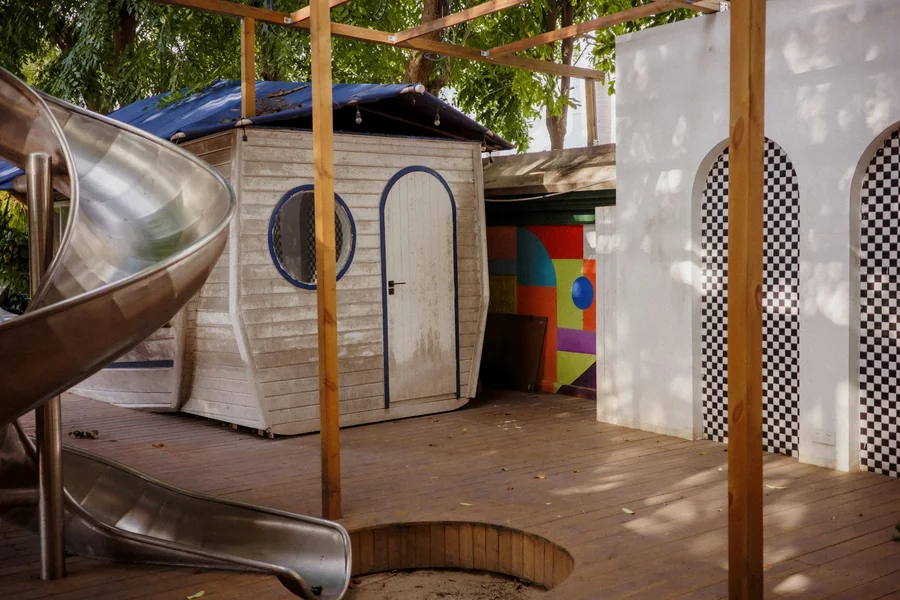
Building a playhouse in the backyard gives your kids a dedicated space to let their imaginations run wild. It becomes a pirate ship, a secret castle, or a cozy reading nook. While many parents default to building a rigid wooden box, traditional lumber isn’t the only way to create a fun, functional structure. Integrating high-quality outdoor fabric into your design opens up a world of creative possibilities. Whether you’re building a simple tent from scratch or upgrading an existing wooden fort, using the right fabrics makes the space more comfortable, colorful, and resilient against the elements. Let’s explore some practical ways to use weather-resistant materials to build a playhouse your children will love.
Building a Foldable A-Frame Tent
If you don’t want a permanent wooden structure taking up your entire lawn, a collapsible A-frame tent is a fantastic alternative. You just need a few wooden dowels, some hinges, and a custom cover. When you use materials specifically designed for patio furniture or boat covers, the tent becomes completely waterproof and UV-resistant. Your kids can leave it set up on the grass all summer long without the colors fading in the sun or the material developing mold after a rainstorm.
Plus, because the fabric cover is flexible, you can easily fold the entire structure flat and store it in the garage during the winter months. It’s a highly practical approach that provides the same magical hideaway experience without the long-term commitment of building a stationary wooden shed.
Adding Shade with a Custom Awning
If you already have a traditional wooden playhouse or an elevated treehouse, you know how hot those enclosed spaces get during a July afternoon. A small, stuffy room quickly becomes uncomfortable. You can cool things down significantly by adding a custom awning over the front door or the main window.
Sewing a simple canopy and stretching it over a PVC or wooden frame creates a welcoming, shaded front porch. The kids get a cool spot to sit outside, take their muddy shoes off, or eat a popsicle out of the direct sun. Because you’re using materials built to withstand the elements, the awning will block harmful UV rays while naturally dropping the temperature inside the playhouse.
Designing Soft Windows and Roll-Up Doors
Traditional glass windows are dangerous in a kid’s play area, and open gaps let in bugs and rain. This is where creative sewing really saves the day. You can craft roll-up doors and window covers that attach with simple Velcro strips or snap fasteners.
When the weather is beautiful, the kids can roll the covers up and secure them with fabric ties to let the breeze in. If a sudden summer shower rolls through, they can easily drop the covers to keep the inside dry. For an extra touch of realism, you can even sew panels of clear marine vinyl into the window covers. This acts just like real glass, letting natural light in while keeping the wind and rain out, but it won’t ever shatter if an errant baseball hits it.
Creating Comfortable, Washable Flooring
The floor of a backyard fort gets incredibly dirty. Kids track in mud, grass clippings, and spilled snacks every single day. Hard wooden floors aren’t very comfortable for sitting, but putting a standard indoor rug outside is a recipe for a soggy disaster.
Instead, you can sew large, flat floor cushions or oversized bean bags using water-resistant material. These fabrics are designed to repel moisture, so a spilled juice box just beads up on the surface and wipes away with a paper towel. If the cushions get muddy, you can simply spray them down with the garden hose and leave them on the patio to dry. It gives your kids a plush, cozy place to sit that requires almost zero maintenance from you.
Sewing Durable Storage Solutions
A playhouse naturally accumulates a lot of stuff. Toys, books, and chalk end up scattered all over the floor. You can keep the space organized by sewing custom storage pockets that hang directly on the interior walls.
By using a tough, weather-treated canvas, these hanging organizers won’t stretch out or tear when stuffed with wooden blocks or action figures. You can color-coordinate these pockets with the curtains or the awning to give the interior a cohesive, decorated look. It utilizes the vertical wall space perfectly, keeping the floor clear so the kids have more room to actually play.
Choosing the Right Materials for the Job
When you start sourcing materials for this project, you have to look past the standard indoor cotton prints. Indoor fabrics simply won’t survive outside; they’ll rot, fade, and tear within a few weeks.
You need material that’s solution-dyed, meaning the color is built directly into the fibers so it won’t bleach out in the sun. You also need a tight weave that resists tearing, along with a protective coating that prevents water from soaking in. Working with these robust materials might require a slightly thicker needle on your sewing machine, but the process is generally the same as any other household sewing project.
Wrapping Up the Project
Designing a backyard retreat for your children is a highly rewarding weekend project. By stepping away from rigid construction materials and incorporating flexible, weather-ready fabrics, you can build a space that is safer, more colorful, and easier to clean. Whether you’re sewing a simple sun shade, crafting drop-down windows, or building an entire tent from scratch, these resilient materials ensure the playhouse survives whatever the weather throws at it. Grab your sewing machine, pick out some vibrant colors, and start building a backyard adventure they’ll remember for years to come.

