
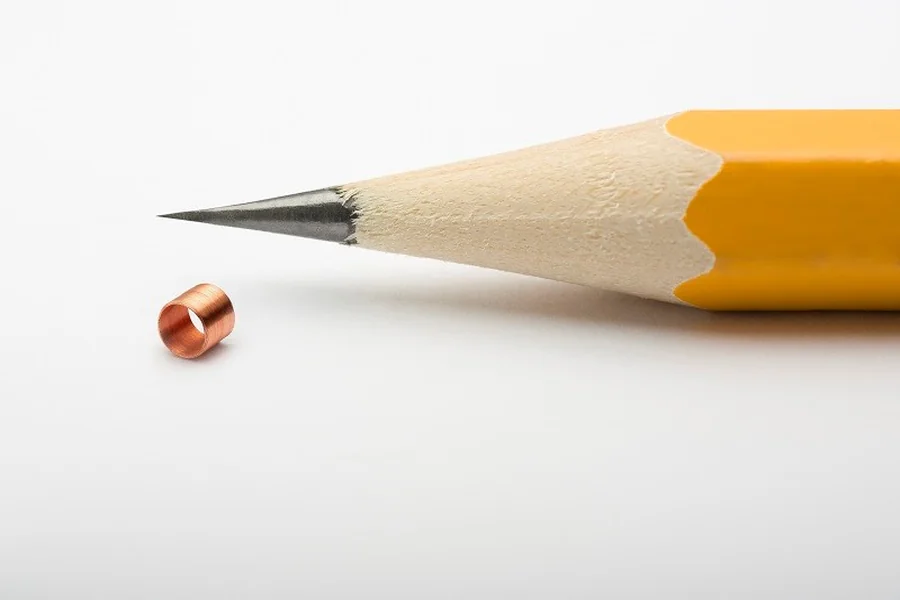
When you start looking into custom coil manufacturing, it usually means standard options are not enough anymore. Your project has specific needs. Maybe the size is too small. Maybe the performance has to be exact. Or maybe the coil has to work inside a system where nothing can go wrong.
This is where custom work becomes important. It is not about picking a ready-made coil. It is about creating one that fits your design from the start.
What custom coil manufacturing really means
At its core, it is the process of designing and producing coils based on your exact requirements. That includes size, shape, number of windings, material, and how the coil connects to other parts.
Some coils are simple. Others are highly detailed and built for critical use. In many industries like medical, electronics, and industrial systems, even a small change in the coil can affect the whole device.
That is why custom manufacturing focuses on matching the coil to the application, not the other way around.
Why custom coils are often needed
In real projects, standard coils can feel limiting. They may not fit the available space. They may not deliver the right performance. Or they may not connect well with other components.
Custom coils solve this by adapting to your design. They help reduce size, improve efficiency, and support better integration with your system.
For example, some applications need very small coils with many windings. Others may need specific shapes or materials. These are not things you can always find off the shelf.
How to approach the process the right way
Start with your end goal.
- What is the coil supposed to do?
- Where will it be placed?
- How much space is available?
- What kind of environment will it face?
These questions help shape the design from the beginning.
Then think about performance. The number of windings, wire thickness, and material all play a role. These details should match your application, not just general standards.
Also consider how the coil will connect to other parts. This step is often overlooked, but it can affect reliability.
What to look for in a custom manufacturing setup
One important factor is flexibility. Your design may change during development. The process should allow adjustments without creating delays.
Another factor is precision. Custom coils often require tight control over dimensions and winding. Small errors can lead to performance issues.
Look at how the manufacturing process is handled. From raw material selection to final assembly, each step should be clear and controlled.
Testing and quality checks also matter. A good process includes checking the coil at different stages to make sure it meets the required standards.
How custom manufacturing helps long term
When a coil is built for your exact need, it reduces the risk of failure. It also improves how smoothly the device works.
It can also save time later. Instead of adjusting your design to fit a standard coil, the coil fits your design from the start.
That is the real value of custom coil manufacturing. It gives you control and confidence in the final result.
Common mistakes to avoid
One mistake is not defining requirements clearly. Without clear details, the final coil may not match your expectations.
Another mistake is focusing only on speed or cost. Quick results may not always mean accurate results.
Also, do not ignore communication. If the process is not explained clearly, it becomes harder to trust the outcome.
Final thought
Custom work takes a bit more effort at the start, but it pays off in the long run. When the coil is built around your needs, everything else fits better. Take your time, stay clear on your requirements, and move forward with confidence.
FAQs:
I feel unsure about going for custom manufacturing. What if it becomes too complicated?
That feeling is normal. Custom work can seem heavy at first. But when you break it into small steps and stay clear about your needs, it becomes much easier to handle.
What if the final coil does not match what I had in mind?
That can be frustrating. It usually happens when details are not fully clear in the beginning. Taking time to explain your requirements and confirming them early helps avoid this situation.
I am worried about making the wrong decision and wasting time. How can I avoid that?
That concern is real. The best way is to stay patient and not rush. When you understand your application clearly and ask the right questions, your decision becomes much more reliable.

