
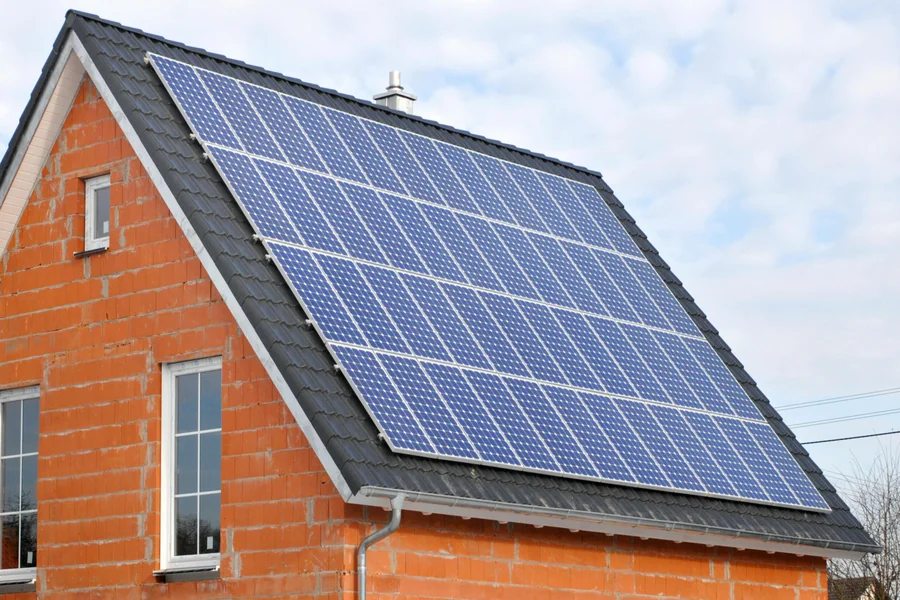
For fleet managers, a solar panel kit is less about trend and more about function. Vehicles today rely on a constant flow of power for tracking systems, refrigeration units, onboard electronics, and auxiliary equipment. When engines are off, those systems still draw energy. This can gradually drain batteries and increase maintenance demands.
A solar panel kit addresses this gap by converting sunlight into usable electricity and supplying it to the vehicle’s electrical system. Instead of relying entirely on fuel or alternators, fleets gain an additional, passive energy source that operates continuously without manual intervention. The focus is not just sustainability; it is operational efficiency and reliability.
What Makes Modern Solar Kits Different
Not all solar solutions are built the same, especially when it comes to commercial fleets. Traditional panels, often made with rigid glass, can be heavy and difficult to integrate onto vehicles with curved or limited roof space. They also tend to require more complex mounting systems.
Modern solar panel kits, particularly those using flexible panels, take a different approach. These panels are designed to be lightweight and adaptable, allowing them to conform to various surfaces such as truck roofs, trailers, and buses. Their flexibility reduces installation challenges and improves suitability for real-world fleet conditions.
For fleet managers, this means fewer disruptions during installation and less concern about adding unnecessary weight to vehicles.
Key Benefits for Fleet Managers
One of the most practical advantages of solar panel kits is their ability to support battery health. When vehicles are parked or idle, solar panels can continue to supply a steady flow of energy. This helps prevent deep battery discharge. This reduces the likelihood of unexpected downtime and extends battery life.
Another benefit is reduced dependency on fuel-based power systems. While solar alone may not replace primary power sources, it can offset energy demand for smaller systems, which contributes to overall cost efficiency over time.
From a strategic perspective, solar integration also supports sustainability goals. Many businesses are under increasing pressure to reduce emissions, and incorporating solar into fleet operations offers a visible and measurable step in that direction.
In applications such as solar panels for motorhomes or mobile service fleets, the value becomes even more apparent. These setups often require consistent off-grid power, and flexible solar panels provide a practical way to maintain that without overcomplicating the system.
Common Drawbacks of Solar Panel Kits
Despite their advantages, solar panel kits are not without limitations. One of the main concerns is energy variability. Solar output depends on sunlight exposure, which can fluctuate based on weather conditions, geographic location, and vehicle usage patterns.
Another challenge is that solar systems typically supplement rather than replace existing power sources. Fleet managers should view them as a supporting solution rather than a standalone answer for all energy needs.
There can also be concerns around durability and long-term performance, especially with lower-quality panels. Exposure to vibration, dust, and harsh weather conditions can affect system efficiency if the equipment is not designed for commercial fleet use.
How Modern Kits Address These Challenges
Flexible solar panel technology has evolved to handle many of these concerns. Their lightweight construction reduces strain on vehicles, while their adaptable design allows for better integration without extensive structural changes.
In terms of durability, many modern flexible panels are built to withstand movement and environmental stress more effectively than older rigid designs. This makes them more suitable for fleets that operate in demanding conditions.
To address energy variability, solar kits are often paired with efficient battery management systems. This ensures that the energy collected is stored and used effectively, helping to stabilize performance even when sunlight is inconsistent.
For fleet managers, the key is not expecting perfection from solar alone, but understanding how it complements existing systems to create a more balanced and efficient energy setup.
A Practical Perspective for Decision-Makers
Solar panel kits represent a shift toward smarter energy use in fleet management. They are not a one-size-fits-all solution, but when implemented correctly, they can reduce operational strain, support battery systems, and contribute to long-term cost control.
Flexible panels, in particular, make solar more accessible for fleets by removing many of the traditional barriers associated with installation and weight. For businesses looking to improve efficiency without overhauling their infrastructure, they offer a practical and scalable option.
FAQs
What should fleet managers consider before installing solar panel kits?
Vehicle type, available surface area, daily energy demand, and operating environment all play a role. Evaluating how solar will integrate with existing systems helps ensure it delivers meaningful value.
Are flexible solar panels reliable for commercial fleet use?
Flexible panels are designed to handle movement and varying conditions more effectively than rigid alternatives, making them suitable for many fleet applications when sourced with quality in mind.
Can solar panel kits fully power fleet vehicles?
Solar systems are generally used to support auxiliary power needs rather than replace primary energy sources. Their strength lies in improving efficiency and reducing strain on existing systems.

