
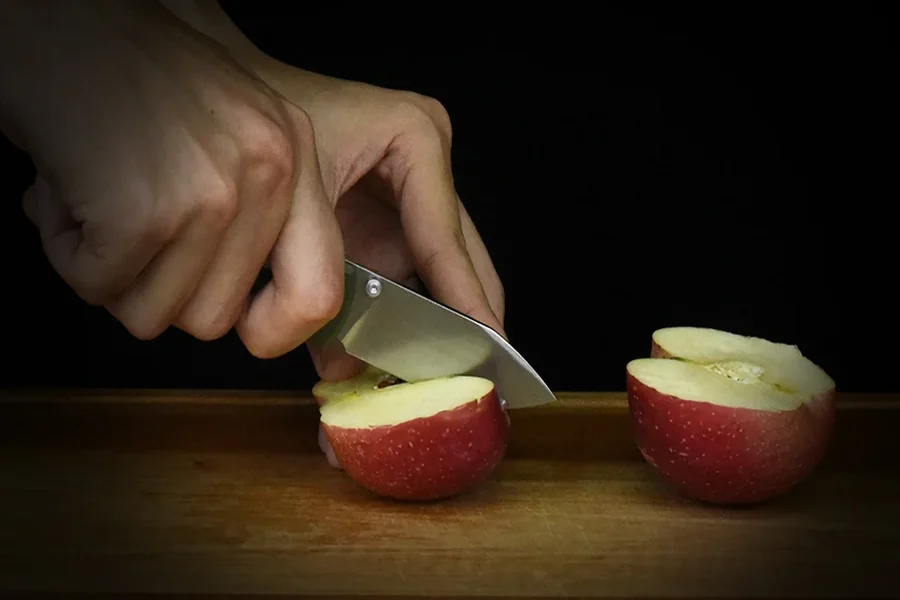
A pocket knife. It can be one of those everyday tools you don’t think much about until you need one. Opening a stubborn package. Cutting rope. Trimming a loose thread. Handling a quick job around the campsite. All of these are easier with a good knife close at hand.
But before you drop one into your pocket, it’s worth knowing what the law says where you live.
Knife laws in the US aren’t uniform. Rules differ from state to state. In some cases, they even change from one city to municipality to another. The type of knife, blade length, locking mechanism, and the way you carry it all matter.
Keep reading on to learn the three questions to ask before carrying a pocket knife.
1. What is the maximum legal blade length in your state and city?
Don’t assume that every pocket knife is treated the same way.
Some jurisdictions improve blade-length restrictions. Others focus on the type of knife or how it’s carried. Certain locations may also have additional restrictions that apply regardless of blade length.
For example, a knife that is generally legal to possess may still be prohibited in specific places – such as schools, courthouses, government buildings, and so on.
That’s why checking both state and local laws is crucial. Look for current information from your:
- State’s legislature,
- Attorney general,
- Local government,
- Or law-enforcement agency.
Laws change, and an old article or forum post could be outdated.
2. Is the knife considered concealed or open carry?
The way you carry a knife affects whether you’re comply with local law.
Some jurisdictions distinguish between open and concealed carry, while others have different rules based on the type of knife. A knife clipped to your pocket, tucked inside your pocket, or carried in a bag may potentially be treated differently depending on the jurisdiction.
Don’t rely on assumptions about what “concealed” means. Legal definitions vary. The rules that apply to a folding pocket knife might not be the same as those for other types of knives.
If you’re traveling across state lines, then check the laws in your destination before you go. What’s permitted at home isn’t necessarily permitted somewhere else.
3. How securely does the locking mechanism hold the blade open during use?
Legal considerations come first. But practical safety matters, too.
A folding knife should open smoothly and hold its blade securely during normal use. If the lock feels loose, doesn’t engage completely, or shows signs of damage or excessive wear, it’s worth addressing before relying on the knife.
This is also where understanding the different between a frame lock vs liner lock helps. Both are common mechanisms found on bolding knives. But they use different parts of the handle to secure the blade.
The important thing is to understand how your particular knife works and ensure it’s functioning properly.
To conclude, carrying a pocket knife needs some thought beforehand. Answering the three questions listed above will help you ensure you are following the law and staying safe.

