
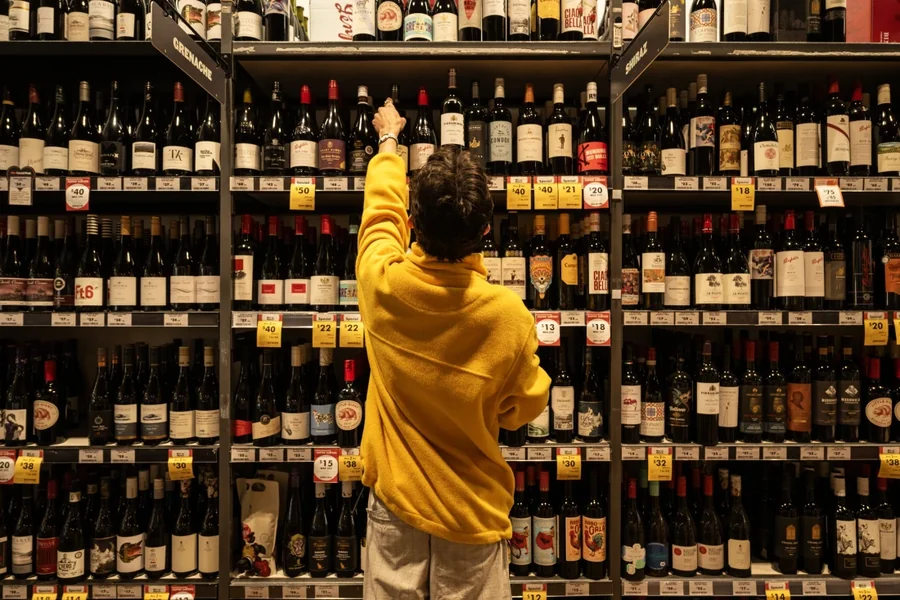
Buying wine used to be fairly predictable. You’d grab a bottle from the local shop, pick something for dinner, maybe stash away a nicer red for a birthday or long lunch. But the way people buy wine now feels a bit different. More selective. More curious. Less tied to the nearest shelf.
That shift helps explain why retailers like Canterbury Wines have carved out such a strong place in the market. For a lot of wine buyers, especially those chasing bottles with a bit more age-worthiness or occasion value, the appeal isn’t just convenience. It’s trust, curation, and access to wines that feel considered rather than mass-distributed.
People want guidance, not just endless choice
One of the odd things about modern shopping is that more choice doesn’t always make the decision easier. In wine, it can do the opposite.
Walk into a large bottle shop and you’re often staring at rows of labels that blur together pretty quickly. Plenty of them are fine. Some are very good. But unless you already know exactly what you’re after, it can be hard to separate a genuinely interesting bottle from one that just has a decent label and a discount sticker.
That’s where boutique retailers have an edge. They narrow the field in a useful way. Instead of overwhelming people with hundreds of random options, they create a tighter, more intentional mix that gives buyers a better shot at landing on something worth drinking, gifting, or cellaring.
The modern wine buyer is more curious
There’s been a real shift in how people talk about wine. It’s become less about memorising the “right” answers and more about figuring out what you actually like.
That’s good for everyone.
It means buyers are more open to trying different regions, vintages, and producers, but they still want a bit of confidence behind the purchase. They’re interested in quality, though not necessarily in snobbery. They want something with a story, a bit of pedigree, or some ageing potential, but they don’t want the process to feel intimidating.
Boutique wine retailers fit neatly into that space. They offer a more edited experience, which makes curiosity easier to act on. You can browse with a bit more confidence because the starting point is already stronger.
Cellar-worthy doesn’t always mean inaccessible
There’s a tendency to assume “cellar-worthy” automatically means eye-wateringly expensive, ultra-rare, or only relevant to serious collectors. Sometimes that’s true. Often it’s not.
A lot of people are simply looking for wines that feel more memorable. Bottles with enough structure or pedigree to age well, enough quality to justify opening on a milestone occasion, or enough interest to gift without it feeling generic. That’s a broader group than the stereotypical collector.
Retailers who focus on this part of the market aren’t just selling luxury. They’re helping people buy with a bit more intention.
That might mean choosing a bottle for a 40th, putting away a few cases for later, or keeping a small stash of reliable premium wines on hand for those moments when a basic weeknight bottle won’t quite cut it.
Curation has become a selling point in itself
This is probably the biggest change. The retailer’s taste now matters more.
People aren’t only buying the bottle. They’re buying into the judgement behind the range. If a retailer consistently stocks strong producers, good vintages, and bottles worth paying attention to, buyers start trusting the whole selection. That trust saves time and lowers the chance of disappointing buys.
It also changes the relationship. The retailer stops being just a place to transact and starts feeling more like a source of guidance.
That’s especially valuable in wine because so much of the product only reveals itself later. You may not know whether you’ve chosen well until the bottle’s opened years down the track. A curated retailer helps close that gap.
Occasion buying has become more deliberate
People still buy wine casually, of course. But when the bottle matters, the shopping behaviour changes.
A dinner with friends, a gift for a client, an anniversary, a long lunch, a bottle to keep for a future milestone, these purchases tend to come with more thought behind them. Buyers want a sense that the wine fits the moment.
Boutique retailers are well-positioned here because they’re often better at serving that occasion-led mindset. Their range tends to feel more suitable for meaningful purchases, where quality and confidence matter more than grabbing whatever’s on promo near the counter.
That makes the experience feel calmer too. Less guesswork, less filler, fewer last-minute compromises.
Online buying has changed expectations
Another reason boutique wine retail has grown is that people are now far more comfortable buying premium bottles online than they once were.
That’s made curation even more important. If you’re not physically browsing shelves, the strength of the range and the clarity of the offer matter a lot. Buyers want to know they’re dealing with people who understand wine, store it properly, and take selection seriously.
For premium and cellar-worthy bottles, that confidence can matter as much as the product itself.
It’s not just about getting access to better wine. It’s about feeling reassured that the bottle arriving at your door is worth the spend.
Better buying habits lead to better drinking
One quiet upside to this whole shift is that people often end up drinking better when they buy more selectively.
Not necessarily more expensive all the time, just better matched to the occasion. Better chosen. Less random.
That can mean fewer impulse buys and more bottles with a clear purpose. A wine for ageing. A wine for gifting. A wine for opening when the meal deserves something a bit stronger than the default option. That approach tends to make the whole category more enjoyable.
Wine becomes less about grabbing whatever’s easiest and more about building a small, satisfying rotation of bottles that actually suit your taste and your life.
It’s a more personal way to buy
At its best, boutique wine retail brings some personality back into the process.
It reminds people that wine buying doesn’t have to be purely transactional. A well-chosen bottle can carry memory, occasion, anticipation, even a bit of theatre. The retailer helping you choose it should add to that experience, not flatten it.
That’s why boutique retailers are doing so well with buyers chasing premium and cellar-worthy wines. They’re not just offering stock. They’re offering judgement, confidence, and a better chance of getting the bottle right.
And when the bottle matters, that goes a long way.

