
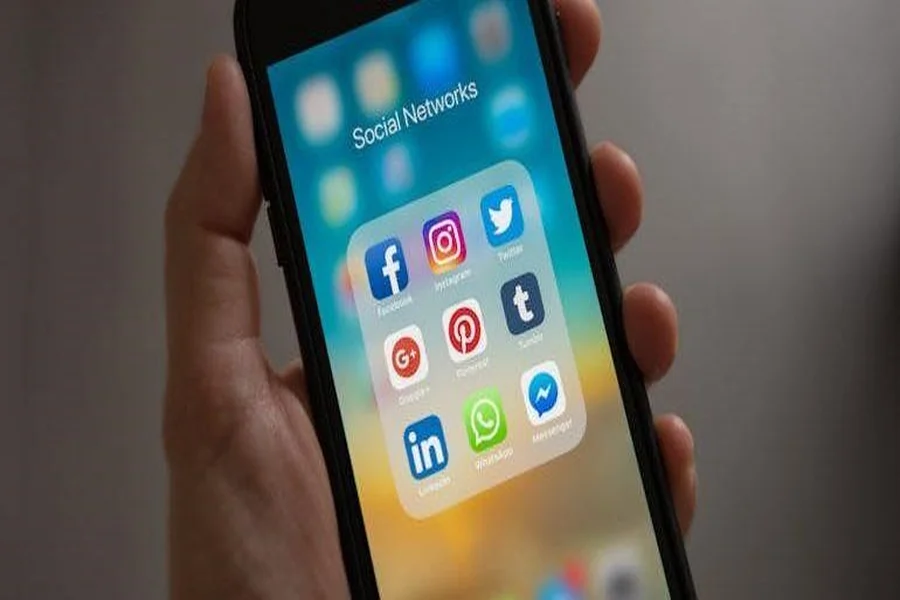
Moving to a new home is stressful enough without hidden traps along the way. Today, many scams no longer hide in shady corners. Instead, social media ads became the new playground for moving scammers. With flashy promotions and low prices, these ads look trustworthy at first glance. Yet behind the polished posts, countless victims face financial loss and heartbreak. Here, we’ll explain how the problem grew, what warning signs to spot, and how to protect yourself from dishonest movers.
Why Scammers Target Social Media Ads
Scammers go where people search for quick solutions, and social media has become that space. Millions browse these platforms every day, often looking for affordable services. Many turn to online ads to simplify the move, trusting that the businesses shown are real. This creates the perfect opportunity for fake movers.
Paid ads allow scammers to look professional with little effort. A polished logo, a short slogan, and a tempting price can build false trust instantly. Because ad checks on social media are often basic, dishonest operators slip through without much resistance. The mix of high demand, easy access, and weak verification makes these ads a magnet for moving scams.

How Reviews and Ads Help Spot Scams
Social platforms also offer real benefits for both customers and honest movers. Small companies gain affordable visibility, helping them compete with bigger names. Customers can easily compare services, read feedback, and connect with businesses that fit their needs. However, it’s important to approach any information you find online with caution.
Reviews and comments create transparency, making it harder for scammers to hide for long. When moving scams surface, social media can expose them by spreading warnings quickly through shares and community posts. For genuine movers, positive reviews become valuable proof of trustworthiness. This creates a fairer market where reliable companies stand out. Used wisely, social ads can connect people with quality moving services safely and effectively.
Common Tactics Used by Moving Scammers
Scammers often lure people in with prices that look far lower than the competition. The deal seems perfect until hidden fees appear. Many demand large deposits up front, only to vanish once payment is made. Others load belongings and then raise the cost, trapping customers into paying more. Some even hold items hostage until extra money is handed over.
What makes these tricks dangerous is how believable the ads look. Social media ads became the new playground for moving scammers, giving them direct access to trusting users. They rely on urgency and pressure to push quick decisions. By the time victims realize something is wrong, the scammers are gone, leaving stress and loss behind.
Warning Signs Hidden in Ads
Scam ads can look convincing, but small details often reveal the truth. Many use stock photos or vague company names that feel generic. Others skip important details such as licenses, physical addresses, or clear contact information. Reviews may be missing, or the few that exist look fake and overly positive.
When people are relocating across states, the lack of transparency becomes even riskier because long-distance moves involve greater trust and higher costs. Another red flag is urgency. Ads may push “limited offers” or demand immediate deposits to secure a date. These tricks pressure customers into skipping proper checks. Spotting these signals early is essential to avoid falling into a scam.

Why Platforms Struggle to Stop Scams
Social platforms run millions of ads every day, making it impossible to check each one manually. Automated systems are fast but limited. They scan for banned words or obvious fraud, yet scammers know how to bypass filters. By slightly changing wording or using new accounts, dishonest movers reappear quickly.
Verification steps for advertisers are often minimal, focusing on payment details rather than business legitimacy. Scammers exploit this weakness, posting polished ads that seem credible. Reporting tools exist, but action can be slow, leaving harmful ads active for weeks. This constant cycle of removal and reentry shows why platforms struggle to stop scams effectively. Stronger checks are needed to protect people before they become victims.
How Social Media Ads Became the New Playground for Moving Scammers
Moving scammers thrive where trust meets convenience, and social platforms offer both. Ads blend seamlessly into everyday feeds, making them feel safe. With a few clicks, scammers can target users in specific locations, promising fast and affordable moving help. They design ads to mirror real businesses, complete with fake reviews and professional graphics.
For many users, the mix of convenience and credibility lowers suspicion. Social media ads became the new playground for moving scammers because the entry barrier is low and the reach is huge. Victims often believe they are dealing with a verified business, only to discover the truth when it is too late. This shift shows how scams adapt to modern habits.
How Consumers Can Protect Themselves
Protecting yourself from moving scams starts with research. Always check if a company is licensed and listed in state databases. Look for a physical address and working phone number. Independent reviews give a clearer picture than glowing testimonials on social ads. Obtain written estimates and compare them with at least two other moving companies.
Never agree to large deposits up front, as reputable companies typically bill after the job is completed. Most importantly, during early conversations, ask the right questions about insurance, contracts, and extra fees. Scammers often fail to provide clear answers, which can reveal their dishonesty in itself.

Steps Platforms Could Take to Help
Social platforms hold the tools to reduce moving scams, but stronger action is needed. First, advertisers should face strict identity checks before their ads go live. Verifying business licenses and registration would block many fake movers at the start. Platforms can also create special review processes for high-risk services such as moving companies.
Faster removal of reported scams would stop harmful ads from spreading for weeks. Adding clearer reporting options makes it easier for users to raise concerns. Finally, stronger cooperation with regulators could close loopholes. Together, these steps would reduce scam ads and protect consumers looking for movers.
Stay Alert, Stay Protected
Social media ads became the new playground for moving scammers, but awareness is the strongest defense. By spotting warning signs, asking careful questions, and reporting suspicious ads, people can avoid traps. Platforms must improve safeguards, yet personal vigilance remains key. Protecting your move begins with research and culminates in making safe, informed choices.

