
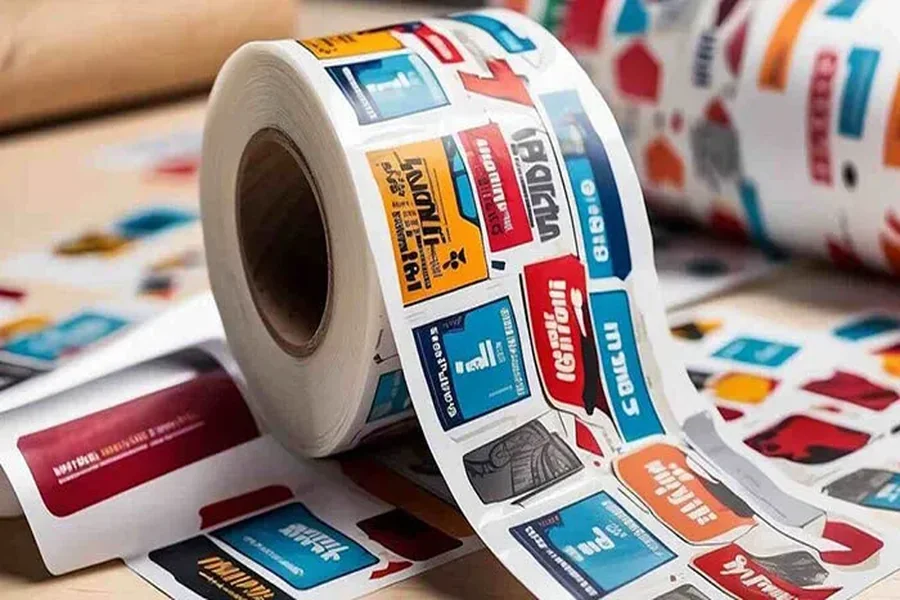
Brand interactions today happen on screens — ads, social media, inboxes. Paradoxically, some brands are rediscovering the power of traditional print media, something seemingly simple: the sticker. In a landscape saturated with pixels, tangible artifacts like stickers help cut through the noise, offering sensory depth, unexpected reach, and a renewed opportunity to define identity
beyond digital parameters.
Here’s how:
Sensory Impact
Touch anchors memory. When someone peels a sticker, feels its material, presses it onto a surface, that physical interaction creates a multisensory brand touchpoint. High quality finishes — embossed textures, matte or gloss laminate, diecut shapes — can communicate craftsmanship and values.
For brands that want to be perceived as premium, artisanal, or trustworthy, these tactile cues matter. Sensory identity can reinforce consistency: the same visual identity online feels more grounded when matched by a branded sticker you can hold. That connection can enhance recall and even influence purchase behavior, especially in markets where consumers seek authenticity.
Viral Mobility
Stickers travel. They hitch rides on laptops, water bottles, notebooks, even public trucks. Each placement turns customers or community members into walking billboards. When someone shares a sticker prominently in a photo or video, the brand’s reach extends organically.
Grassroots distributions — freebie packs, surprise inserts in orders, sticker swaps at events — create a sense of belonging among loyal users. Strategically designed campaigns can encourage users to post their sticker placements on social media, turning the physical into the digital in a selfamplifying loop. For brands that cultivate community, stickers become ambassadors: low cost per reach, but high in emotional return.
Green and Smart
Modern consumers expect brands to engage responsibly. Sticker manufacturing has responded. Ecofriendly materials, like recycled vinyl, FSCcertified paper, and biodegradable laminates, are increasingly available without sacrificing durability or print quality. This shift isn’t happening in isolation. A 2023 Deloitte survey of executives in consumer packaged goods companies found that 54% believe consumer sustainability is a critical area for innovation. Over 70% said their companies are likely to make significant investments in sustainability within the next year, with sustainable packaging and new product offerings cited as top priorities.
Smart stickers are also gaining ground, incorporating functionality like QR codes that link to immersive content, NFC chips that unlock experiences, or AR triggers that turn the sticker into a digital portal. These advances reshape brand DNA by fusing message and medium: not just what you say, but how you deliver it and what values are embedded in every touch. Because of this, many brands now allow clients to order stickers online through platforms that emphasize sustainability, custom finishes, and interactive features.
Strategic Placement
Where a sticker goes matters as much as how it looks. Placement in high visibility environments maximizes impact. Consider these creative opportunities:
- Public transport interiors: Commuters have long dwell times and high exposure. • Festival and event gear: Badge backings, hydration packs, and instrument cases reach enthusiastic, mobile audiences.
- Retail packaging inserts: Turning catchups in unboxing into moments of delight. • Office or coworking shared spaces: Laptops, coffee stations, and communal whiteboards catch professional eyes.
Brands must also think context: A sticker placed on a tech gadget should match the minimalist aesthetics of the device; one placed on a rugged water bottle might favor durability over polish. Plan campaigns that integrate with architectural or environmental cues in your customers’ lives, not just your own design preferences.
From Digital Presence to Physical Connection
In a world dominated by digital impressions, stickers offer something refreshingly real. They reconnect brand identity with physical presence, using sensory richness, mobility, sustainable and smart materials, and strategic placement to shape how a brand is remembered and shared.
For professionals designing and leading brand strategies, stickers are more than merch extras. They’re tools to bridge the digital and the tangible, to convert fleeting pixels into deeply felt
loyalty. As brands evolve, the voice you show online must harmonize with what people touch, move, and share in real life — and stickers are proving themselves an essential part in creating that harmony.
Author bio:
Amber McConnell the dynamic owner of Sticker Mountain, brings a unique blend of academic rigor and passionate entrepreneurship to the printing industry, where she’s been part of the family business for 37+ years. With a rich background that includes a double major in psychology and criminal justice from Regis University, and a lifelong commitment to athletics, Amber’s dedication to excellence shines through in her work. At Sticker Mountain, she leverages her diverse skills and personal interest in coaching to innovate and inspire, driving the company to new heights with a keen eye for quality and community connection.

