
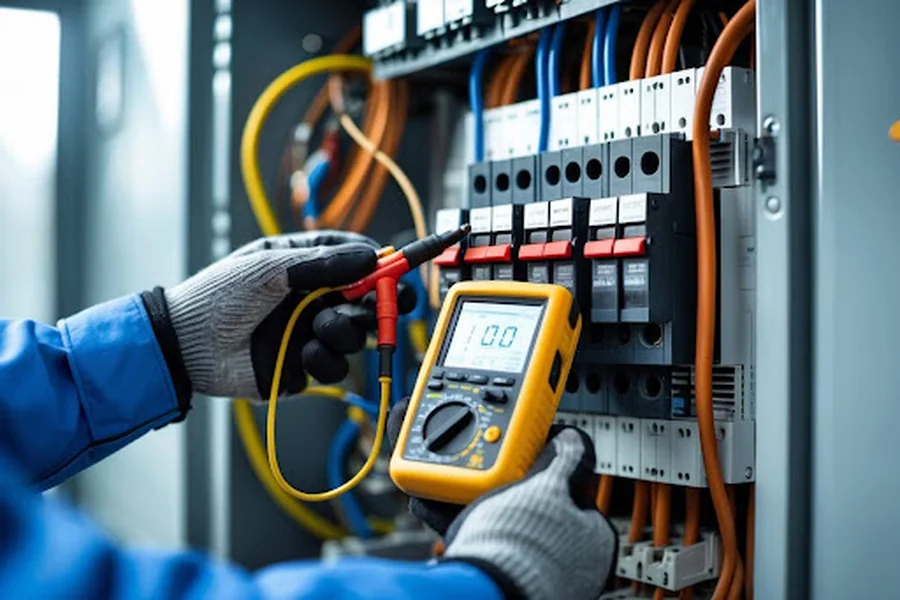
Testing an MCCB breaker is essential to ensure it works properly and protects electrical systems from overloads and faults. To test an MCCB, one should perform a visual inspection, check its functional trip response, measure trip characteristics, and test insulation and contact resistance. These steps confirm the breaker’s reliability and safety.
Regular testing helps identify issues like wear, loose connections, or degraded insulation before they cause serious problems. This process is important in both industrial and commercial settings where electrical safety is critical. Understanding and following proper testing methods keeps the MCCB in good condition and prevents unexpected failures.
Key Principles of Testing MCCB Breakers
Testing an MCCB requires clear knowledge of how a molded case circuit breaker works, the meaning of its electrical ratings, and how it compares to other breakers like MCBs. Understanding these elements ensures accurate testing and helps maintain safety and system reliability.

Understanding MCCB and Circuit Breaker Basics
An MCCB is designed to protect electrical circuits from overcurrent, short circuits, and faults. It interrupts the current flow when a fault happens to prevent damage and fire risks. The breaker has a molded casing that protects the internal components from dirt and moisture.
Testing an MCCB involves checking mechanical functions like the trip mechanism, as well as electrical properties such as insulation and contact resistance. Proper testing verifies that the breaker trips within the set current range. It also ensures that internal parts are not worn or damaged.
A circuit breaker, including MCCBs, uses a trip unit that senses overcurrent conditions. When triggered, it opens the circuit. This key function is checked during testing with manual trip tests and electrical tests to simulate overloads.
Importance of Rated Current and Rated Voltage
Rated current is the maximum current an MCCB can carry continuously without tripping. Knowing this rating is crucial during testing because the breaker should allow normal current flow up to that limit without opening.
Rated voltage is the highest voltage the MCCB can safely handle. Tests must be done within this voltage to avoid damage to the breaker or the system. Insulation resistance tests use this rating to apply voltage and measure whether insulation remains effective.
Testing settings should match the rated current and voltage to confirm the MCCB will function correctly. If a breaker trips below the rated current, it may cause unwanted outages. If it fails to trip above the rated current, it poses safety risks.
Differences Between MCCB and MCB
MCCBs and MCBs both protect circuits but differ in capacity and design. MCCBs handle higher current levels, often from tens to thousands of amps, while MCBs typically cover lower currents up to 100 amps.
The MCCB has adjustable trip settings, allowing customization for different load conditions. This adjustability requires careful testing to ensure settings match the system’s needs. MCBs usually have fixed trip points and simpler testing.
MCCBs are preferred in industrial or commercial environments with larger electrical loads. MCBs are common in residential or light commercial settings. Testing MCCBs involves more detailed electrical and mechanical checks. MCB testing focuses mostly on basic trip functionality.
Essential MCCB Breaker Testing Methods
Testing an MCCB involves a combination of inspections and electrical measurements to ensure proper operation and safety. Key aspects include checking physical conditions, verifying insulation integrity, and measuring contact resistance to avoid failure and overheating.
Visual and Mechanical Inspection
The first step is a thorough visual inspection of the MCCB. Look for physical damage, such as cracks, discoloration, or signs of overheating. Inspect the breaker’s connections to ensure they are tight and free of corrosion or looseness. Loose connections can cause arcing and lead to failure.
Mechanical parts, like handles and toggles, should be operated to confirm smooth movement. The trip indicator must be checked to see if it shows correct status. Any visible wear or damage must be addressed before electrical testing.
Insulation Resistance Test
This test measures the resistance between live parts and ground to check the condition of the insulation inside the MCCB. A high voltage is applied, and the resistance is measured with an insulation resistance tester.
Low insulation resistance suggests moisture, dirt, or aging, which can cause leakage currents. Typical acceptable values depend on manufacturer specs, but readings below 1 megaohm are usually a warning sign. Regular insulation testing helps prevent electrical faults and maintain safety.
Contact Resistance Measurement
Contact resistance testing checks the quality of the electrical connections inside the MCCB. High resistance can cause overheating and reduce breaker efficiency.
Using a specialized tester, the resistance across the main contacts is measured and compared to manufacturer standards. If the resistance is higher than specified, it indicates wear or contamination on the contacts. This test is essential to detect early contact degradation and avoid failures that could interrupt the electrical system.
Performing Electrical Tripping and Performance Tests
Testing a molded case circuit breaker involves checking how it reacts to different fault conditions. This includes simulating overloads, short circuits, and measuring the time it takes for the breaker to trip. Each test confirms the breaker trips as designed and protects the electrical system correctly.
Overload (Thermal) Tripping Test
The overload tripping test checks the breaker’s response to prolonged overcurrent. This simulates a situation where current flows above the breaker’s rated capacity but below short-circuit levels.
During the test, a controlled current slightly higher than the breaker’s rated current is applied. The time it takes for the breaker to trip is recorded. The breaker should trip within a specific time frame based on its thermal rating.
If the breaker fails to trip on time or trips too quickly, it indicates possible issues with its thermal sensing mechanism. This test helps verify that the breaker protects equipment from overheating due to extended overloads.
Short-Circuit (Magnetic) Tripping Test
The short-circuit test evaluates the breaker’s ability to handle instantaneous high current faults. It simulates a sudden surge, like a short circuit, to check if the breaker trips without delay.
High current, usually several times the breaker’s rated current, is applied briefly. The breaker must trip almost immediately to prevent damage to the electrical system. The test confirms the magnetic trip mechanism is working properly.
If the breaker delays or fails to trip during this test, it may not protect against severe faults, risking equipment damage or fire. This test is critical in verifying quick response to dangerous fault conditions.
Timing and Operating Test
This test measures how fast the breaker trips after detecting a fault. Timing is essential to ensure the breaker interrupts current before harm occurs.
Using specialized equipment, the delay between fault current application and breaker trip is recorded. Both overload and short-circuit trips are timed to confirm they meet manufacturer specifications.
Additionally, the breaker’s reset function is tested to ensure it operates smoothly after tripping. Proper operation ensures the breaker can be reliably reused after fault clearance without sticking or malfunction.
Routine Maintenance and Troubleshooting Tips
Regular inspections and tests keep MCCBs working safely and effectively. Systematic checks help detect faults early and maintain reliable circuit protection. Proper tools and methods should be used to avoid damage and ensure accurate results.
Identifying Common MCCB Faults
MCCBs can show faults like failure to trip, nuisance tripping, or physical damage. Overheating signs such as discoloration or melted plastic often point to loose connections or overloaded circuits. Worn contacts can cause high resistance and overheating.
Mechanical parts may become stiff or stuck from lack of use, preventing proper operation. Trip mechanisms might fail to react during faults if damaged or dirty. Regular visual inspections can reveal cracks, corrosion, or dirt build-up that impair function.
Early detection requires attention to unusual sounds, smells, or frequent trips. These symptoms often signal internal problems that need repair or replacement to prevent electrical hazards or downtime.
Testing with a Multimeter
A multimeter is essential to measure voltage, current, and resistance in MCCBs. Checking contact resistance helps verify electrical conductivity; if resistance is too high, it could indicate worn contacts or poor connections.
Insulation resistance testing ensures no leakage current between live parts and ground. Values below manufacturer standards may mean moisture or contamination in the breaker.
Voltage checks on terminals confirm proper power supply and connection integrity. Testing across the trip coil verifies whether the trip mechanism can successfully actuate when needed.
Use the multimeter following safety rules: power off the circuit when measuring resistance, and only test live parts when necessary and with proper protection.
Best Practices for Reliable Operation
Cleaning MCCB components regularly prevents dust and grime buildup that can cause overheating. Use dry, lint-free cloths and avoid liquids that might damage insulation or contacts.
Tighten all electrical connections with a torque wrench to the manufacturer’s specified values. Loose terminals create arcing risks and reduce safety.
Regularly operate MCCB handles and toggles to keep mechanical parts free-moving. Exercising the mechanism maintains smooth trips during faults.
Keep detailed maintenance logs recording inspection dates, test results, and any repairs. This tracking helps identify wear trends and plan timely replacements or adjustments for continuous protection.
Premium electrical and automation equipment
Reliable testing of MCCB breakers depends on high-quality electrical and automation tools. Using premium equipment ensures accurate results and minimizes the risk of damage during testing.
Technicians need tools such as insulation resistance testers, contact resistance meters, and earth fault loop impedance testers. These devices must meet industry standards for precision and safety.
Sourcing components and testing gear from trusted suppliers helps maintain system integrity. Competitive prices and fast delivery improve project efficiency, especially when replacements are needed quickly.
Quality equipment often comes with clear specifications and manufacturer support. This can guide technicians in setting correct trip characteristics and performing consistent functional tests.
Automation parts can include sensors, relays, and control devices that work alongside MCCBs in complex electrical systems. Proper selection of these ensures the entire network performs reliably.
For those seeking trusted electrical components and automation parts, options like those available at automation & electrical parts online provide convenience and access to top brands.
Investing in premium testing and operational equipment supports long-term electrical safety. It also reduces downtime caused by unexpected failures in circuit protection devices.

