
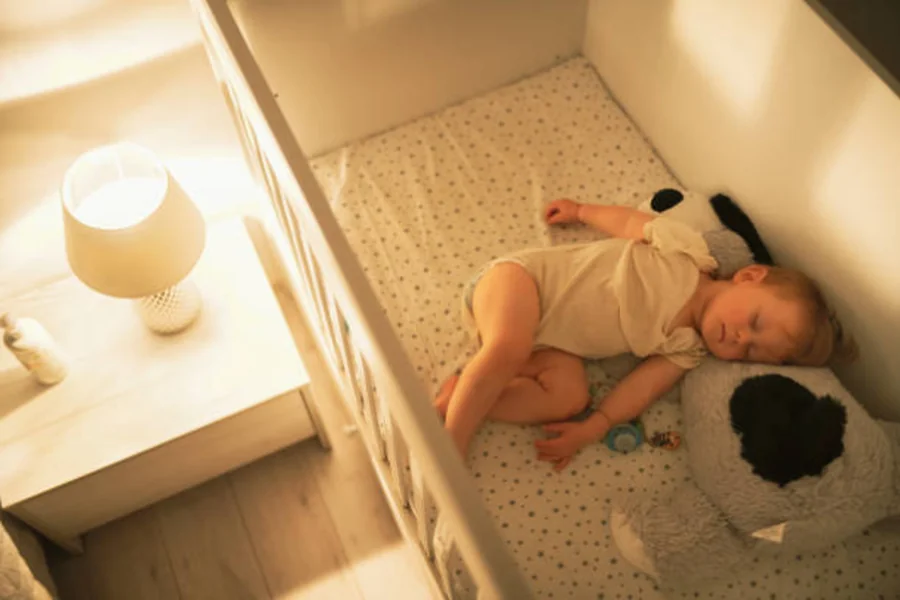
Good sleep shapes infant health and family wellbeing. Rest supports growth, brain development, immune function, mood regulation, and daytime learning. Nighttime patterns that work for infants make days calmer for caregivers. This piece explores what happens when a baby moves into their own bed, practical ways to make that change, and common questions families ask during the process. Many parents also wonder, do babies sleep better in their own bed, especially when trying to build healthier nighttime routines.
Understanding Baby Sleep
Babies show wide variation in how they sleep. Newborns tend to sleep many hours across day and night with short awake periods for feeding. Over several months, most babies begin to spend longer stretches asleep at night and nap fewer times during the day. Developmental milestones such as rolling, crawling, and learning to sit can interrupt sleep temporarily. Stressors, illness, and changes in routine also affect rest.
Sleep training and predictable bedtime patterns help many infants settle better. Teaching a baby to fall asleep without constant motion or feeding creates a skill that pays off as they grow.
The Tradition of Co-sleeping
Sharing a bed or room with a baby is common across many cultures. Parents choose this arrangement for easier night feeds and the comfort of proximity. For some families, staying close at night reduces anxiety and supports breastfeeding.
A shared sleeping space can lead to frequent night awakenings for adults. Movement, light, and routine differences may make uninterrupted rest harder for everyone involved.
What It Means for a Baby to Sleep in Their Own Bed
Moving a baby into their own bed means creating a separate sleeping place that’s quiet and suited to rest. This option can be a crib, cot, or toddler bed matched to the child’s size and developmental stage. A private sleeping area gives the infant a stable environment associated with rest, which helps with predictable sleep cues and fewer distractions.
Many families choose this move gradually. Short daytime naps in the new bed, followed by longer nighttime stays, help the baby accept the space.
Benefits of Baby Sleeping in Their Own Bed
Better sleep for the baby and parents. A separate bed reduces noise and motion from adults. Babies often settle into deeper sleep cycles in calmer surroundings. Parents enjoy longer stretches of uninterrupted rest.
Development of self-settling skills. When a baby learns to fall asleep without continuous external help, they gain confidence in soothing themselves. This ability reduces frequent night interventions and supports longer sleep segments.
Reduced middle-of-the-night disruptions. With a distinct sleeping area, household activity at night has less impact on the infant. Family members can move about without waking the child.
Clear bedtime cues and routine. A consistent place for sleep helps the baby link certain actions—dim lights, soft songs, quiet time—with rest. That link shortens the time needed to settle.
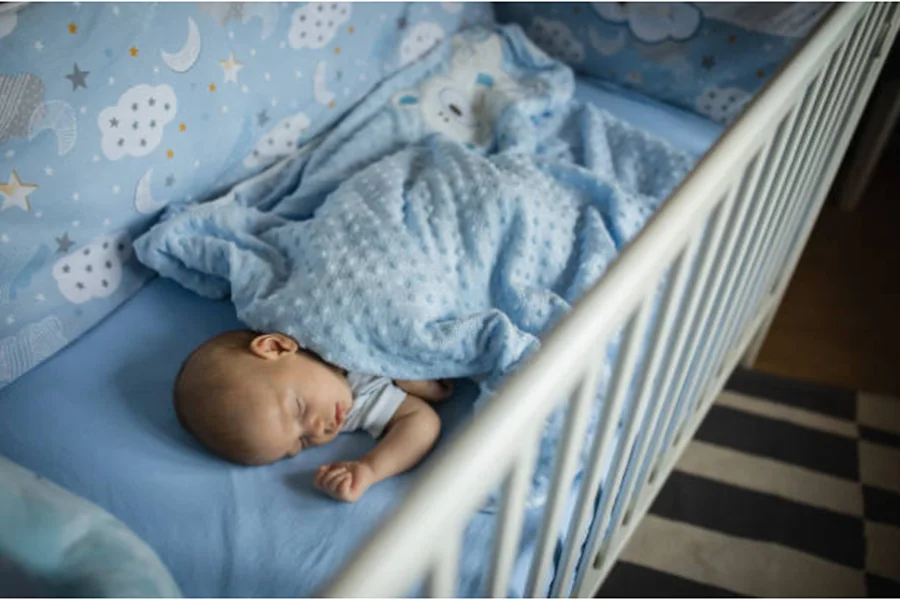
Safety and comfort tailored to the child. A bed suitable for the infant’s age and size improves safety. Proper mattress firmness and minimal loose bedding lower risks and support restful positioning.
Practical Steps for a Smooth Transition
Prepare the sleeping space. Choose a firm mattress and keep the bed free from loose pillows, blankets, and stuffed toys. Maintain a comfortable room temperature and dim lighting during the hour before sleep.
Create a consistent bedtime routine. Use the same sequence each night: a warm bath, soft story, quiet song, gentle cuddle, and then the baby is placed in their bed. Predictable cues help the infant recognize that it’s time to rest.
Start with naps. Daytime naps in the new bed help the baby get used to the space. Once naps go smoothly, stretch the use of the bed to overnight periods.
Use comfort objects. A small blanket or a soft item (age-appropriate and safe) can provide reassurance. Keep the item for sleep times so it becomes part of the routine.
Keep visits brief and calm. If the baby wakes, go in quietly, offer gentle reassurance, and avoid turning on bright lights or extended play. Short interactions help the baby return to sleep without forming new wakeful habits.
Stick to a schedule. Regular sleep and wake times make the internal clock more reliable, so both naps and nighttime sleep improve.
Handling Separation Concerns
Separation reactions are normal. Many infants protest the first nights outside the parents’ bed. Stay steady and offer comfort that follows the familiar routine. Gentle reassurance, brief check-ins, and consistent responses decrease anxiety over days or weeks.
Sleep Training Approaches
Techniques range from very gradual comforting methods to more structured schedules. The right plan depends on family preferences and the baby’s temperament. Small, steady changes work well when parents want to avoid long periods of crying. Some families prefer a stepwise plan that reduces parental presence incrementally. Talk with a trusted pediatrician if you want guidance tailored to your child.
Common Challenges and How Families Meet Them
Resistance at bedtime. Keep routines calm and predictable. Offer comfort items and shorten pre-sleep stimulation.
Night wakings. Respond with a quiet, consistent pattern. Avoid letting the baby turn waking into playtime.
Illness or developmental regressions. Expect temporary setbacks. Return to the usual routine when the child recovers.
Closing thoughts
Moving a baby to their own bed can bring more regular sleep, stronger self-settling skills, and calmer nights for everybody. With patient steps, predictable routines, and a safe sleep space, many families find the shift rewarding. Gentle consistency and small changes make the transition easier for both the child and caregivers.

