
Veterinary blood banking gives clinics access to plasma when bleeding, liver disease, toxin exposure, or surgery creates an urgent need. This product carries clotting factors, albumin, globulins, and other dissolved elements that support hemostasis and fluid balance. In dogs, product quality depends on what happens before, during, and after collection. Donor screening, clean technique, prompt separation, and stable freezing all influence whether a stored unit remains suitable for later clinical or laboratory use.
Why Plasma Matters
Plasma serves several purposes in veterinary medicine, from transfusion support to assay validation and research on coagulation, inflammation, and protein status. Product choice matters because anticoagulants, filtration steps, and storage history affect performance in different settings, and well-characterized canine plasma helps reduce avoidable variability during interpretation. For that reason, blood banks document collection time, donor health, processing details, and freezer conditions with steady care.
Donor Selection
A reliable plasma program starts with healthy donor dogs. Staff review body weight, age, travel history, vaccination status, medication exposure, and previous illness before any collection. Temperament also matters because calm behavior reduces stress hormones and supports smoother venipuncture. Laboratory screening looks for infectious risk and adequate hematologic health. Clear entry standards protect donor welfare while reducing unwanted variation in stored units.
Collection Setup
Collection begins with sterile bags, matched tubing, clear labeling, and the correct anticoagulant. Common choices include sodium citrate, ethylenediaminetetraacetic acid, and heparin, depending on the intended application. The venipuncture site is clipped and disinfected to lower contamination risk. During the draw, regular mixing with anticoagulant prevents microclot formation. Even a brief delay at this stage can reduce clotting factor recovery and affect later usability.
Separation Process
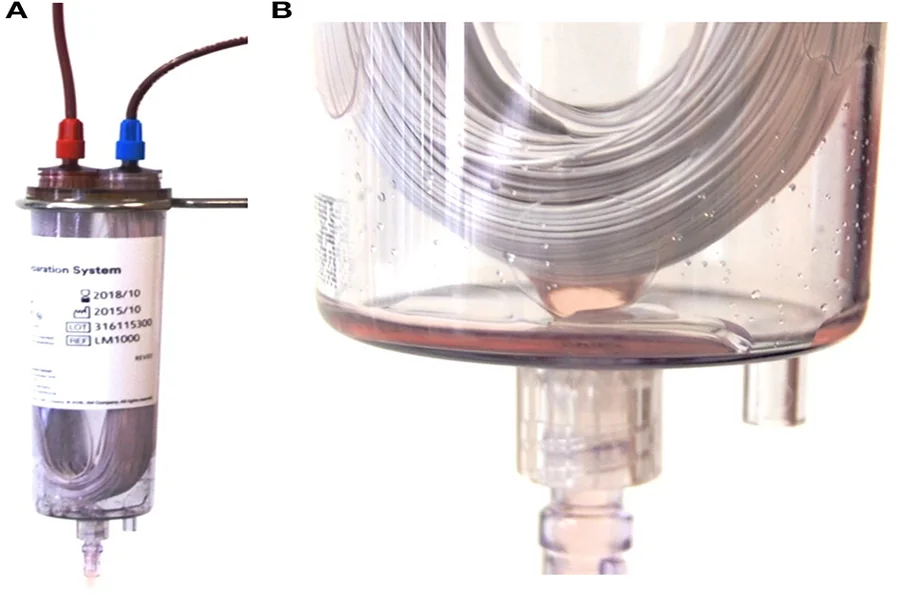
After collection, whole blood is processed without unnecessary delay. Centrifugation separates cellular elements from the liquid fraction while limiting mechanical stress. Technicians then express plasma into transfer containers using controlled handling that minimizes residual cells. If a filtered product is required, that step follows separation. Labels must record donor identification, collection date, anticoagulant type, and processing method so each unit remains fully traceable.
Quality Checks
Before release or long storage, each unit undergoes basic inspection. Technicians assess color, clarity, volume, seal integrity, and visible particulate matter. Hemolysis, lipemia, or fibrin strands can signal donor, collection, or handling issues. Records must also confirm that screening results match the product label and storage log. Strong documentation supports traceability if a later question arises during use or review.
Freezing Standards
Rapid freezing helps preserve labile proteins, including several clotting factors. Many programs place plasma into low-temperature storage soon after separation to limit biochemical change. Freezers need alarms, continuous temperature records, and backup plans for power failure. Bag thickness also influences freezing behavior because thinner profiles cool more evenly. Product quality depends on an uninterrupted cold chain from initial storage through shipment or internal transfer.
Storage Duration
Plasma cannot remain in storage forever. Acceptable holding time depends on processing method, container type, target application, and internal quality standards. Every unit should remain linked to its temperature history from freezer placement through thawing. If records show loss of control, disposal is the safer choice. Conservative retention policies protect patient care and preserve confidence in laboratory results derived from stored material.
Thawing and Use
Thawing must be controlled and gentle. Excess heat can damage proteins, while rushed handling increases the chance of leaks or contamination. Once a frozen unit is thawed, staff inspect appearance again and confirm identification before use. Timing matters after warming because room-temperature exposure shortens stability. Matching the product to the intended clinical or research purpose helps prevent avoidable errors during final preparation.
Common Product Variations
Blood banks often separate products by anticoagulant, donor pooling status, and filtration method. Citrate-based plasma is widely used for coagulation work because it preserves clotting pathways well. Ethylenediaminetetraacetic acid may suit certain analytical settings, while heparinized material fits others. Sterile filtration can reduce particulate burden. Pooled units may lessen single-donor variation. Clear labeling allows clinicians and researchers to select the proper format without guesswork.
Conclusion
Veterinary plasma banking depends on disciplined handling across the full chain of care. Donor selection, anticoagulant choice, sterile collection, prompt separation, careful freezing, and strict storage control each shape the final quality. When those steps remain consistent, clinics and laboratories receive material that behaves predictably under pressure. That reliability supports safer transfusion practice, stronger data, and better readiness for the demanding needs of canine medicine.
