
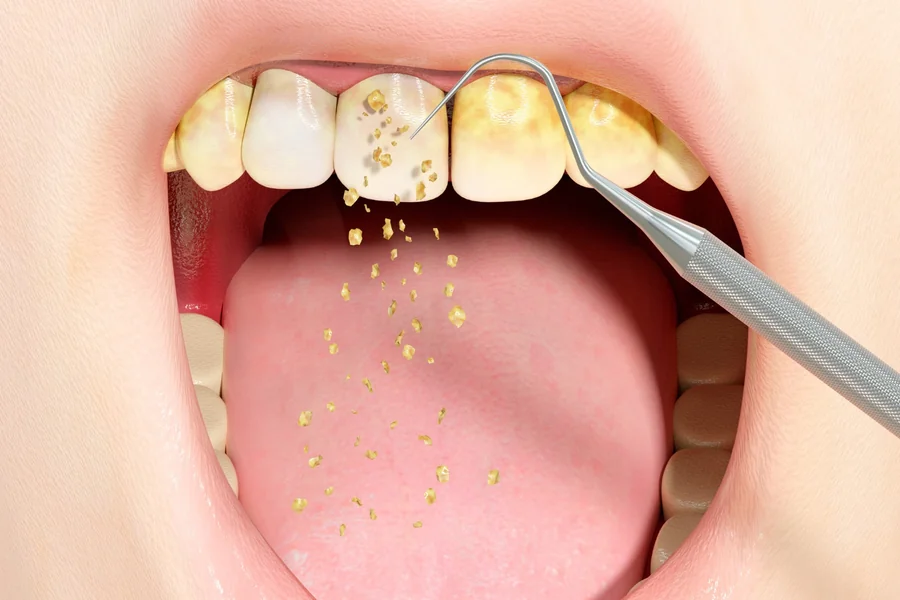
It usually starts the same way, a dull ache, a sharp sting when chewing, or a strange pressure that was not there before. Many people try to ignore it, hoping the pain will go away on its own. But when a tooth starts causing problems, the question quickly becomes serious. Should it be removed early or is it better to wait?
This is a decision almost everyone faces at some point, especially with wisdom teeth. Timing is more important than most people think. Removing a problem tooth too late can cause complications, while removing it too early may feel unnecessary. Knowing what can happen when you wait compared with when you act can make the choice much easier.
For patients considering extraction of wisdom tooth, a common question is how dentists decide the right time. The truth is that every case is different. Dentists make their decision based on the tooth’s condition, the amount of discomfort it causes, and any possible long term effects.
The Cost of Waiting Too Long
When a problem tooth appears, ignoring it can feel easier at first. Painkillers help for a while, swelling comes and goes, and it might seem like everything is under control. But under the surface, serious damage can be happening without obvious signs.
Hidden Damage That Builds Up
Teeth do not repair themselves once damaged. A cavity can grow deeper, a crack can spread, or an infection can quietly reach the jawbone. These changes often happen slowly, so people do not notice until the pain becomes strong. By then, saving the tooth may be impossible, and treatment is more complicated.
A tooth that could have been fixed with a simple filling might end up needing removal. Even worse, waiting too long can harm nearby teeth. One infected root can spread problems to other teeth, starting a chain reaction that requires more dental work later.
How Infections Spread
A dental infection does not always stay in one place. Bacteria can move into nearby tissues or even enter the bloodstream if left untreated. This often happens when pus collects around the tooth root, creating a painful abscess. Warning signs include swelling, throbbing pain, or difficulty opening the mouth.
When infections spread, removing the tooth is no longer simple. Antibiotics or a small surgical step might also be needed to fully treat the infection. Early removal can prevent these problems and help the surrounding tissues heal faster.
Pressure on Nearby Teeth
When wisdom teeth or molars grow incorrectly, they push against other teeth. Over time, this pressure can cause misalignment and jaw discomfort. Many people assume the pain will go away on its own, but that is rarely true.
Even if the pain fades temporarily, the crowding or shifting continues. This pressure can undo years of orthodontic work or slowly change the bite. Removing the problematic tooth early prevents slow damage before it becomes harder to fix.
Why Early Removal Often Works Best
Acting early may feel cautious, but early extraction can stop bigger problems later. Dentists recommend it not just to relieve pain, but to protect long-term oral health. Recovery is also simpler when the tooth and gums are healthy.
Easier Healing and Less Pain
Teeth removed before infection or swelling develops allow for faster recovery. The surrounding gum is less inflamed, and the jawbone heals more cleanly. Younger patients, in particular, experience fewer complications and shorter healing times.
It is like treating a small cut before it turns into a bigger wound. The sooner the problem is fixed, the easier it is for the body to heal. For this reason, removing the tooth early can be less stressful both physically and emotionally.
Protecting Overall Oral Health
Every tooth plays a role in keeping the mouth balanced. When one tooth causes problems, it can affect alignment, stability, and how the teeth fit together. Early removal stops potential sources of ongoing pain or sinus pressure caused by impacted teeth.
Dentists often use X rays to see if a tooth might cause trouble later. Removing it before it affects nearby teeth helps keep the jaw in good shape and prevents long term issues like cysts or nerve irritation. It is not just about comfort; it is about protecting overall dental health.
Reducing Emergency Risks
Many people who delay treatment end up facing dental emergencies at the worst possible times. Sudden swelling or severe pain can disrupt work, travel, or important events. Early removal prevents this unpredictability.
Instead of reacting in panic, patients who act early can manage their recovery on their own schedule. This peace of mind alone makes it worth taking proactive steps sooner rather than later.
Finding the Right Balance
Deciding when to remove a problem tooth is not about rushing or waiting. Every mouth is different, and a professional check up is the best first step. Dentists consider age, general health, and the tooth’s position before recommending extraction.
For those thinking about wisdom tooth removal, dentists often suggest an early consultation even if pain has not started. Preventive care can show whether removal will really help or if monitoring is enough for now. Either way, knowing the situation early gives control back to the patient.
The choice between early action and waiting comes down to one question: which option protects long term comfort and health? Acting early may feel inconvenient at first, but it often prevents much bigger problems later. Trusting that small discomfort now can lead to years of comfort later, and most people never regret that decision.
