
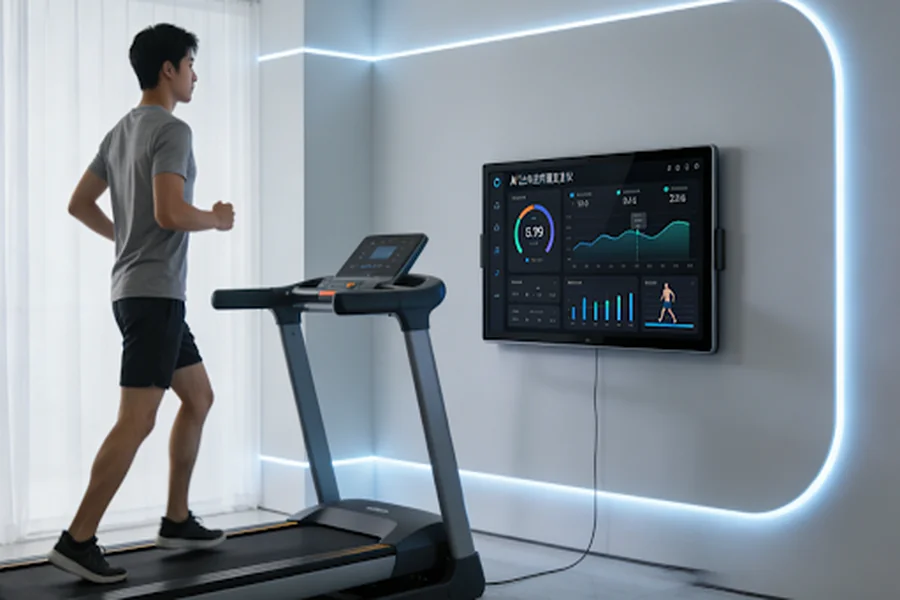
The fitness industry is currently navigating a pivotal transition. For decades, the primary model for physical guidance was the one-on-one relationship with a human personal trainer. While effective, this model is inherently limited by geographical proximity, high costs, and the human instructor’s inability to monitor a participant’s physiological state throughout the day. As we enter a period of increased digital integration, AI agents are emerging to fill these gaps, offering a level of data-informed adjustments and accessibility that was previously difficult to achieve.
Unlike traditional fitness applications that offer static video libraries, AI agents function as dynamic tools. They process streams of biometric data—ranging from sleep patterns and heart rate variability to general metabolic recovery—to curate a training experience that adapts to the user’s current state. This shift represents a move toward structured adaptation, where the workout is adjusted based on the user’s readiness metrics rather than adhering to a rigid, pre-planned schedule.
Data-Informed Adjustments: Beyond Static Programming
The primary utility of an AI-driven training system lies in its ability to balance exertion with recovery. For professionals managing fluctuating schedules, a high-intensity session isn’t always the most effective choice. An AI agent can detect indicators of fatigue or limited recovery and pivot the day’s objective to ensure incremental progression without unnecessary strain.
In such scenarios, the system might recommend a low impact cardio workout to maintain blood flow and metabolic health without adding stress to the body. This ability to prescribe a specific low impact cardio workout based on immediate data ensures that the user stays consistent over a longer period. This type of long-term tracking and adaptation is a key development in daily health management, allowing individuals to maintain their cardiovascular base while respecting their actual capacity for work.
The Convergence of Software and Hardware
The sophistication of an AI tool requires functional hardware to translate data into physical outcomes. As training software becomes more data-heavy, the hardware must become more adaptable and space-efficient to fit into the modern urban residence. The convergence of algorithmic guidance and precision hardware is creating a new category of home infrastructure focused on long-term health tracking.
In an urban environment where square footage is at a premium, a digital training station must be as unobtrusive as it is functional. Modern design has addressed this by creating equipment that occupies approximately 0.2 square meters of floor space. This compact footprint allows a data-informed training nook to exist in a home office or bedroom without disrupting the room’s primary functionality.
Furthermore, the physical interaction with the gear must remain quiet to allow for the frequent, structured sessions that AI coaching facilitates. Utilizing an eco-friendly PE material coating on weight systems ensures that mechanical friction is minimized. This silent operation is a practical requirement for those who prefer to train at unconventional hours—whether early in the morning or late at night. By selecting hardware that supports the integration of such technology, such as the compact home setup from FED Fitness, the user creates a frictionless environment where the equipment facilitates the habit rather than creating a barrier to it.
Ownership and Privacy in the Domestic Space
The current shift in the market is defined by an increasing demand for privacy and the efficient use of one’s time. The traditional gym environment, with its social distractions and shared facilities, is being supplemented by the private training area—a space where a user can follow an AI-guided session without external observation. This provides a level of focus that often leads to higher adherence to a daily routine.
This efficiency reduces the barrier to consistent movement. When a user has access to a setup that is always ready and requires no commute, the effort required to start a workout is significantly lowered. This accessibility provides a practical advantage in terms of time management and health outcomes. In the future, the utility of a home will increasingly be measured by its capacity to function as a center for personal health and structured physical development.
Long-Term Tracking and the Feedback Loop
AI agents do not just look at a single session; they analyze the trajectory of a long-term progression. By maintaining a continuous feedback loop of performance data, these systems can predict potential plateaus and suggest incremental resistance adjustments. This allows for steady development that avoids the erratic results often seen in unguided training.
The future of training is characterized by smarter algorithms integrated into our living spaces. As these systems become more synchronized with wearable technology and home hardware, they will act as long-term tracking tools, capable of suggesting light movement to counteract a sedentary day or a more focused effort when recovery metrics are high.
Conclusion: The Era of Informed Movement
The era of guessing one’s fitness requirements is being replaced by informed, structured movement. Algorithmic coaching offers a level of adaptation that honors biological reality and environmental constraints. By merging data-informed software with space-efficient hardware, the concept of private training is undergoing a significant practical shift.
Excellence in health management is a byproduct of how well we curate our environment and utilize our data. When you integrate an AI agent into a home supported by a compact home setup such as FED Fitness, you are participating in a practical evolution of daily health maintenance. The future of training is quiet, compact, and data-informed. By removing the friction between information and action, we ensure that the journey toward better physical capability is a steady and inevitable part of daily life.

