
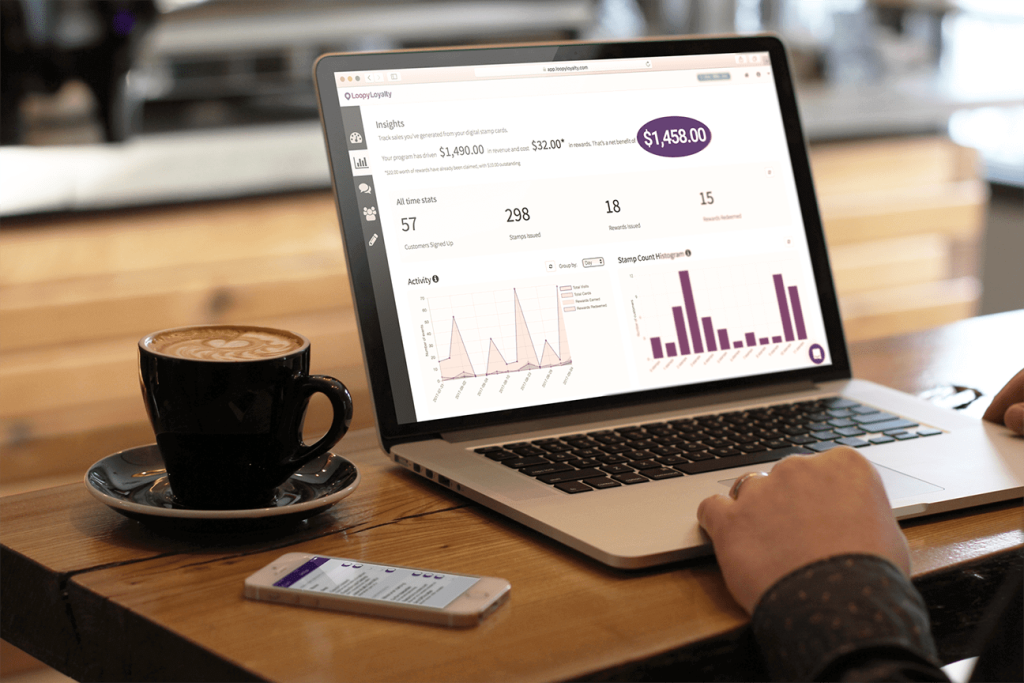
Powerful digital membership card software for modern loyalty programs plays an increasingly important role in how organizations manage customer relationships, structure rewards, and leverage data for better decision-making. This topic explores the technology behind digital customer cards, the strategic choices involved, and how this type of software fits into broader loyalty and CRM initiatives.
In an environment where customers are accustomed to mobile wallets, personalization, and direct access to their data, the focus is shifting from physical cards to digital solutions. This development affects not only retail and hospitality, but also sports clubs, mobility services, cultural institutions, and B2B memberships. The core concerns reliability, scalability, data security, and integration with existing systems.
Powerful digital membership card software for modern loyalty programs: origins and technological foundation
The origins of powerful digital membership card software lie in the combination of traditional loyalty programs and modern mobile technology. While loyalty programs once primarily revolved around stamp cards and plastic passes, the rise of smartphones opened the door to storing memberships and points directly in an app or wallet. Simultaneously, marketing and CRM platforms became data-driven, significantly increasing the demand for real-time customer profiles and dynamic benefits.
Technically, this software builds on several foundations: cloud infrastructure for scalability, API communication to enable integrations with POS, e-commerce, and CRM systems, and secure identity and access control to identify members. The introduction of Apple Wallet, Google Wallet, and similar solutions provided additional momentum, as they made digital cards accessible without organizations necessarily having to develop their own native apps.
Professional and functional developments within digital loyalty software
Key professional developments in digital membership card software revolve around personalization, automation, and integration. Organizations are moving from static customer segments to dynamic profiles, fueled by purchasing behavior, location data, and interactions across multiple channels. Software vendors like Neoday are responding to this with rule engines, no-code campaign builders, and advanced segmentation tools, enabling marketing and CRM teams to independently manage complex loyalty logic.
Successful implementations are characterized by seamless integration with POS systems, marketing automation, payments, and identity management. Consider scenarios where a digital card simultaneously functions as a means of identification, payment method, access or reservation card, and a carrier of points or tiers. Professionally, we’re seeing loyalty and CRM teams collaborate more closely with data and security specialists to ensure compliance with privacy regulations and other regulations, while simultaneously extracting maximum value from customer data.
Current status: features, architecture and usage patterns
The current generation of digital membership card software typically offers a modular platform with features such as account management, digital cards, points and rewards management, tier structures, couponing, referral capabilities, and analytics. The software is usually cloud-native, with multi-tenant architecture and API-first design, allowing both large and medium-sized organizations to leverage the same core technology, often with varying levels of configuration.
In practice, digital cards are deployed in a variety of ways. Retailers link the card to receipts, personalized discounts, and product recommendations. Hotels and hospitality companies use membership cards to structure rooms, upgrades, and services. Gyms and clubs utilize digital cards as admission tickets, scheduling tools, and communication channels. In these cases, the digital card often replaces the physical card or functions as a hybrid solution, allowing customers to choose between a physical or digital format without altering the underlying loyalty profile.
Impact, strategic value and broader context of digital membership cards
The importance of powerful digital membership card software for modern loyalty programs goes beyond customer convenience. Strategically, the software serves as a linchpin in organizations’ first-party data strategies. By recording interactions via digital cards, a rich picture of customer behavior across channels is created. This supports data-driven pricing, product selection, service improvements, and personalized communications, with a direct impact on customer retention and lifetime value.
In a broader social and cultural context, the rise of digital cards fits into a shift toward contactless, mobile, and sustainable behavior. Fewer physical cards mean less material use, while digital solutions are more suited to an audience accustomed to managing everything via smartphone. At the same time, this development requires transparent communication about data usage, fair loyalty terms, and respect for privacy, so that trust between organizations and members is maintained and digital loyalty programs are perceived as valuable rather than intrusive.
Conclusion: Powerful digital membership card software for modern loyalty programs
In summary, powerful digital membership card software for modern loyalty programs is a core component of today’s customer relationship management strategies. The combination of digital cards, integrated data, flexible reward structures, and secure infrastructure enables a more professional and efficient loyalty experience than traditional, physical solutions. Both the functional richness and the integration with other systems determine its true value in practice.
For organizations that approach loyalty strategically, this software offers a framework for connecting customer experience, brand preference, and operational efficiency. Further development often involves specialization: sector-specific functionalities, deeper analytics, and tighter integration with existing IT landscapes. This makes digital membership software a relevant field of study and development for marketing, data, and IT professionals working on future-proof loyalty programs.

