
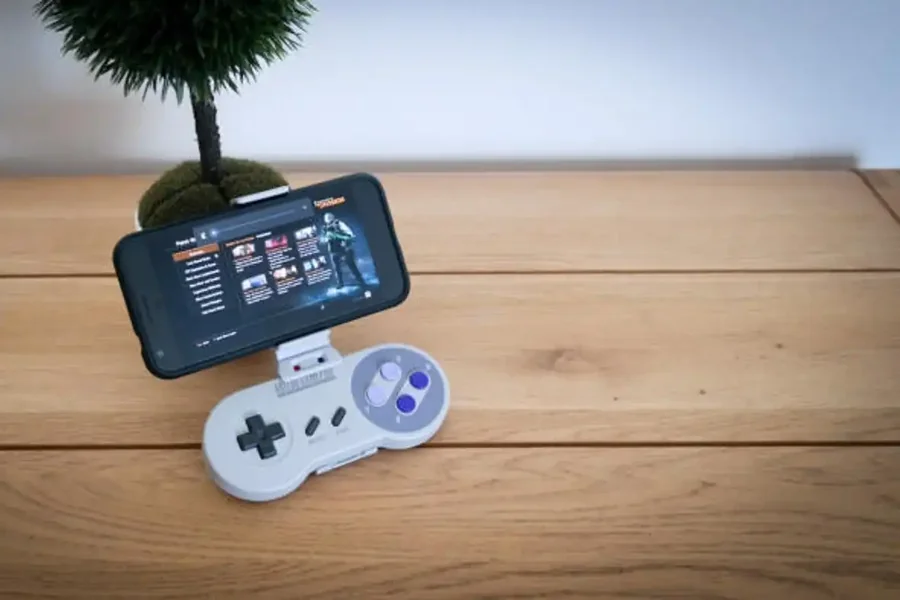
Gaming technology has advanced rapidly in recent years, giving players more flexibility than ever before. Gamers are no longer limited to sitting in front of a single computer to enjoy their favorite titles. With the help of remote access tools, players can now access their gaming PCs from different devices and locations. This is where remote desktop for gaming becomes an exciting and practical solution.
Remote desktop technology allows users to connect to a computer remotely and control it as if they were physically present. When applied to gaming, this means the game runs on a powerful PC while the gameplay is streamed to another device such as a laptop, tablet, or smartphone. Platforms that support remote desktop for gaming show how remote access tools are being used not only for work but also for entertainment and gaming experiences.
What Is Remote Desktop Gaming?
Remote desktop gaming refers to the process of running a game on one computer while controlling it from another device through a remote connection. The main computer handles all the processing tasks, including graphics rendering and game logic.
Meanwhile, the remote device displays the gameplay through a live video stream and sends the player’s input commands back to the host computer.
This setup allows players to enjoy PC games even when they are not physically near their gaming machine.
How Remote Desktop Gaming Works
Remote desktop gaming relies on a connection between two devices.
Host Computer
The host computer is the main gaming system where the game is installed and running. This system typically has powerful hardware such as a high-performance processor and graphics card.
Client Device
The client device is the device used by the player to access the host computer. It can be a laptop, smartphone, tablet, or another computer.
Streaming Connection
Remote desktop software streams the host computer’s display to the client device in real time. Player inputs such as keyboard presses or mouse movements are transmitted back to the host system.
With a stable connection, this process can provide a smooth and responsive gaming experience.
Benefits of Using Remote Desktop for Gaming
Remote desktop gaming offers several advantages for gamers who want flexibility and convenience.
Play Games From Anywhere
One of the biggest benefits is the ability to access your gaming computer remotely. As long as the host computer is powered on and connected to the internet, you can play games from another location.
No Need for Multiple Gaming PCs
Instead of buying multiple high-end computers, players can rely on a single powerful system and stream games to other devices.
Access Your Entire Game Library
Remote desktop access allows you to play any game installed on your PC without installing it on other devices.
Flexibility Across Devices
Players can use different devices to access their gaming systems, including lightweight laptops or tablets that normally cannot run demanding games.
Requirements for Smooth Remote Gaming
While remote desktop gaming is convenient, achieving a smooth experience requires certain technical conditions.
Strong Internet Connection
High-speed internet with good upload and download speeds is essential for transmitting video streams without lag.
Low Network Latency
Latency refers to the delay between a player’s action and the response on screen. Lower latency improves responsiveness during gameplay.
Powerful Host Computer
The host system must have enough processing power to run the game while simultaneously encoding and streaming the video output.
Reliable Remote Desktop Software
The software used for remote access should be optimized for high-quality streaming and quick response times.
To begin setting up remote gaming access, users often need to install remote desktop software on their devices. For example, you can StarDesk install from the official download page to create a remote connection between devices.
Common Use Cases of Remote Desktop Gaming
Remote gaming is used in several situations by gamers and content creators.
Gaming While Traveling
Players can connect to their home gaming PC and continue playing games even while away from home.
Home Streaming
Some gamers stream games from a powerful desktop computer to a laptop or tablet in another room.
Game Testing and Development
Developers sometimes access testing environments remotely when working on game development projects.
Content Creation
Streamers and creators may remotely control their gaming systems when producing gameplay videos or managing streaming setups.
Challenges of Remote Desktop Gaming
Although remote desktop gaming offers many advantages, it also comes with some limitations.
Internet Dependency
The gaming experience depends heavily on network stability and connection speed.
Possible Input Lag
If the network connection is slow, players may experience delays between their actions and the game’s response.
Video Compression
Streaming video may reduce image quality slightly depending on bandwidth and compression settings.
However, improvements in streaming technology and internet infrastructure continue to reduce these challenges.
The Future of Remote Desktop Gaming
Remote desktop gaming is expected to grow as network speeds increase and streaming technologies improve. Faster broadband connections and emerging technologies such as 5G networks will make remote gaming smoother and more accessible.
In addition, cloud gaming platforms are expanding rapidly, allowing players to access powerful gaming servers without owning high-end hardware.
As these technologies continue to evolve, gamers will have more ways to enjoy their favorite titles across multiple devices and locations.
Conclusion
Remote desktop technology has opened new possibilities for gamers who want flexibility and convenience. By allowing games to run on a powerful computer while streaming the gameplay to another device, remote desktop solutions enable players to access their gaming systems from almost anywhere.
With a stable internet connection, the right hardware setup, and reliable remote access software installed, gamers can enjoy their favorite PC games without being tied to a single device or location. As remote technology continues to advance, remote desktop gaming will likely become an even more popular way to experience modern video games.

