
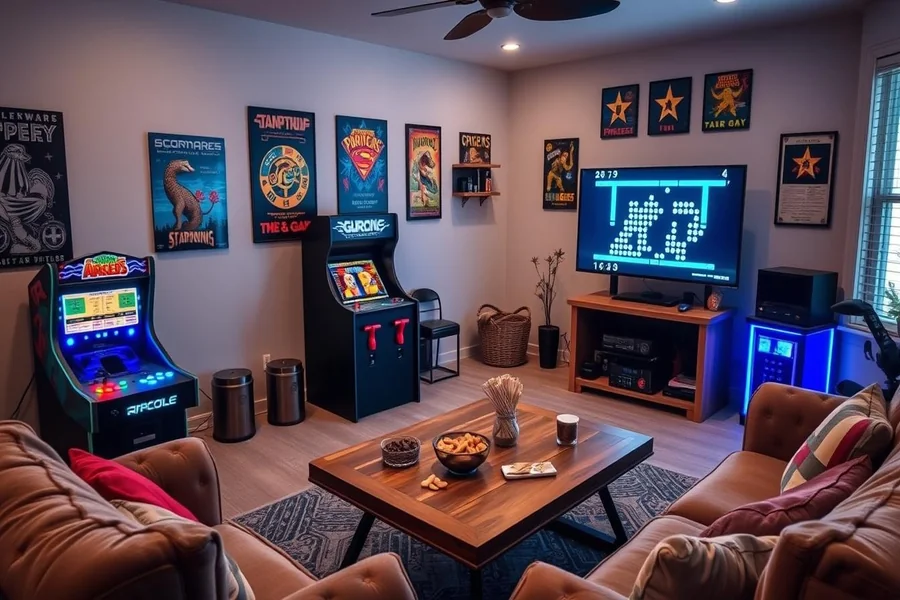
Defining The Vision For Your Home Arcade
Designing a home arcade that appeals to every member of the family starts with a clear vision of how the space will be used. Some households want a fast-paced environment focused on competitive gaming, while others prioritize relaxed, social play that encourages conversation and shared moments. Before buying any equipment, it helps to define who will use the arcade most often and what kinds of games they enjoy, from retro classics to modern racing simulators. Parents may want to ensure that the space feels welcoming and safe for younger children, with age-appropriate titles and intuitive controls. It is also useful to consider whether the room will host guests regularly, as this influences the number of simultaneous players your setup should support. By aligning expectations early, families can avoid mismatched purchases and instead create a space that naturally draws everyone together for regular use.
Choosing Games And Equipment For All Ages
Once you have a clear concept in mind, the next step is choosing games and equipment that invite participation from different age groups and skill levels. A balanced arcade often includes easy-to-learn games alongside deeper options that reward practice and strategic thinking. Traditional choices such as basketball shooters, air hockey tables, and multi-game cabinets are often favorites for families, offering instant fun without steep learning curves. Incorporating digital pinball, rhythm games, or driving simulators can add variety and visual excitement. It’s also important to select games with cooperative modes, adjustable difficulty settings, and intuitive controls to keep experiences welcoming for everyone. Those interested in learning more about home arcade possibilities can discover inspiration and resources from platforms like Arcade Dad, which provide ideas for building a family-friendly gaming setup. Over time, rotating a few games in and out can help maintain excitement while keeping your arcade space uncluttered.
Designing The Space: Comfort, Layout, And Atmosphere
The layout and comfort of your arcade strongly influence how inviting it feels. Thoughtfully spacing machines allows for easy movement, encouraging everyone to watch, join, or swap players without crowding. Seating choices—such as bar stools for upright cabinets or a sofa for spectators—make it easier for players to relax or wait their turn. Lighting should be adjustable, with options like dimmable overhead fixtures or colorful LED strips to set the mood for different occasions, from animated game nights to low-key afternoons. Soft furnishings, rugs, or acoustic panels help manage sound levels and make the room cozier, without sacrificing the vibrant arcade feel. Personal touches like posters, themed wall decals, or shelves for collectibles can turn a generic recreation room into a dedicated entertainment space. When the area is comfortable and thoughtfully arranged, families are more likely to return for longer sessions, try out new games, and share meaningful time together.
Creating Social Experiences And Family Traditions
The most memorable home arcades are built on social interaction and shared traditions, not just machines. Organizing regular family game nights ensures everyone takes part in picking the lineup, so every member gets to share their favorites. Friendly competitions, such as:
- Monthly high-score challenges with a rotating champion’s board
- Themed evenings like racing tournaments or retro game throwbacks
add a fun layer of excitement while keeping things light-hearted. Arcades also lend themselves to cross-generational learning, as parents introduce classic titles from their own childhoods and kids bring in new discoveries. Cooperative play—whether beating a level together or chasing a shared target—fosters teamwork and keeps rivalry friendly. Over time, these rituals and small contests create anticipation for the next game night and deepen the sense of togetherness the arcade can provide.
Maintaining Variety And Long-Term Engagement
Sustaining enthusiasm in a home arcade is all about variety and upkeep. Families might schedule regular “spotlight” rotations, featuring different games every few weeks to keep things interesting while making the most of available space. Small updates—like introducing new high score cards, curating themed background playlists, or swapping in seasonal decor—offer fresh incentives to gather for a session. Periodic maintenance remains essential: cleaning control surfaces, checking cables, and making sure ventilation is clear keeps equipment in good shape. Assigning small responsibilities such as updating the scoreboards or managing snack stations helps include everyone in maintaining the arcade. Treating the space as a dynamic part of home life allows it to grow with your family’s interests and ensures it continues to bring people together for fun, relaxation, and shared discovery.

