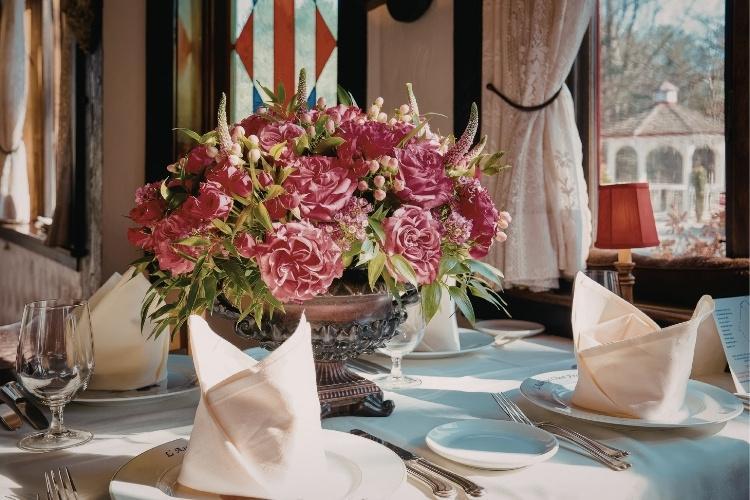
A thoughtfully arranged centerpiece can change the atmosphere of a dining table without requiring a large budget or extensive decorating experience. During dinner parties and family gatherings, the table often becomes the focal point of conversation, meals, and shared moments. A centerpiece helps bring the setting together and adds visual interest without overwhelming guests or taking up valuable serving space.
Fortunately, creating an attractive centerpiece does not require elaborate floral arrangements or professional design skills. With a few accessible materials and a clear approach, hosts can put together displays that complement a variety of occasions, from casual family dinners to holiday celebrations.
Glass Vase Arrangements
Glass vases remain one of the most versatile centerpiece options because they work with nearly any decorating style. They can be filled with fresh flowers, greenery, branches, or seasonal elements depending on the occasion.
For a spring or summer gathering, a collection of flowers placed in clear vases creates a fresh and welcoming vibe. During fall, branches, dried grasses, or colorful leaves can introduce texture and warmth to the tablescape. In winter, evergreen clippings and pinecones provide a simple seasonal display.
Using multiple vases of varying heights can create visual interest while maintaining an uncluttered appearance. Keeping arrangements relatively low helps guests maintain eye contact across the table.
Candles and Natural Elements
Candles paired with natural materials offer an easy centerpiece solution for both formal and casual gatherings. A row of pillar candles surrounded by greenery, leaves, or seasonal accents can create an inviting dining environment.
Wooden trays, woven baskets, and ceramic bowls can serve as foundations for these displays. Adding fruit such as lemons, oranges, pears, or apples introduces color without requiring complicated arrangements.
Natural elements often work particularly well because they feel appropriate throughout the year. Minor adjustments based on the season can refresh the look without requiring an entirely new centerpiece design.
Choosing the Right Vase for Your Table
The vase itself plays a significant role in how a centerpiece looks and functions. Different vase shapes create different visual effects, so selecting the right style can make arranging a centerpiece much easier.
Cylinder vases work well for modern tables because their clean lines create a neat appearance. Bowl-shaped vases are suitable for shorter floral arrangements that encourage conversation across the table. Bud vases can be grouped together to create a centerpiece using only a few stems, making them a practical option for casual gatherings.
Glass vases are especially versatile because they complement nearly any color palette or decorating style. Clear glass allows flowers, greenery, water, and decorative fillers to become part of the display itself. Hosts exploring different vase shapes can compare options through resources such as www.jamaligarden.com to better understand how various styles work in different centerpiece arrangements.
While ceramic and metal vases can add character, glass remains one of the easiest options to incorporate into changing seasonal decor since it blends naturally with different materials and table settings.
Creating a Centerpiece That Fits the Table Size
A centerpiece should feel proportional to the table rather than dominating it. Before choosing flowers, candles, or decorative accents, it helps to consider the table’s size and shape.
For round tables, a single arrangement is often the most balanced option. Long rectangular tables usually benefit from several smaller arrangements spaced evenly along the center rather than one large display. This prevents certain areas from feeling crowded while others appear empty.
The amount of serving space needed is also important. Family-style meals require room for dishes, platters, and shared bowls, so centerpieces should be compact enough to leave space for food. Smaller gatherings with plated meals may allow for slightly larger arrangements.
Having several container sizes available can make it easier to create arrangements that suit different table dimensions.
Seasonal Displays With Everyday Items
Many effective centerpieces can be created using objects already found around the home. Seasonal produce, decorative bowls, lanterns, and serving pieces can all become part of a table arrangement.
For example, a large bowl filled with citrus fruits creates a bright centerpiece for warm-weather gatherings. During autumn, pumpkins, gourds, and candles can be arranged along the center of the table. Winter gatherings may benefit from glass containers filled with ornaments, pinecones, or evergreen branches.
Conclusion
Glass vases, candles, natural elements, seasonal accents, and everyday household items can all be used to create memorable centerpieces. The same basic materials can be arranged in different ways throughout the year, making it easy to adapt a table for holidays, celebrations, and everyday gatherings. With a thoughtful choice of containers and decorative elements, hosts can create centerpieces that complement both the occasion and the dining space.