
Thomas A. Edison, the great inventor, said, “To invent, you need a good imagination and a pile of junk.” Even this great man knew that junk sometimes has hidden value and may not necessarily live up to it in the yard. That said, having a few scrap metal recycling tricks up your sleeve can go a long way. Here are five tips you can use:
Separate Ferrous and Non-Ferrous Metals
Here’s something you need to know: ferrous metals like steel and iron are magnetic and usually worth less money. Examples of this include nails, rusted pipes, or even an old washing machine frame.
Non-ferrous metals, on the other hand, aren’t magnetic and tend to fetch higher prices. Copper, aluminum, brass, and bronze fall under this category.
It’s easy to tell them apart. If it sticks to metal, it’s ferrous. If it doesn’t, it’s non-ferrous. Many recyclers will pay differently for each type of metal, so separating them beforehand can help you save time and ensure you get paid fairly for what you bring in.
Know What You Have
There could be a lot of junk around. However, the key to getting the most value for them is knowing exactly what you have and what rate it commands.
Copper is one of the most valuable scrap metals when it comes to recycling. Look for it in old wiring, plumbing pipes, and even kitchen pots. Copper is reddish-brown and soft enough to bend easily.
Aluminum is lightweight and silvery gray in appearance. You’ll find it in soda cans, window frames, gutters, and car parts. It’s not as valuable as copper can be, but can still fetch you a fortune.
Brass is another metal that packs some value. You’ll find it in faucets, doorknobs, and decorative items, brass has a golden-yellow hue. It’s heavier than aluminum and worth more, too.
Steel or iron might not yield as much, but it can still be worth something. You’ll often find them in appliances, tools, and structural beams.
Once you have the goods, do your research and go for a reputable metal recycling service provider who can give you a fair deal on your stash.
Here’s what to look for when choosing one:
- They should be upfront about what they pay per pound for copper, aluminum, brass, steel, and other materials.
- Make sure the recycler uses calibrated and certified weighing equipment.
- Some recyclers specialize in certain metals and may turn away others. To save yourself trips to multiple locations, find someone who handles a wide range of scrap.
- Consider how easy it is to work with the recycler. Things like location, hours of operation, and pickup services matter.
The best way to find these out is to check online reviews, ask neighbors, or visit forums to see what others say about the recycler. Be cautious if you notice patterns of complaints about unfair pricing, poor customer service, or dishonest practices.
Clean Your Scrap Metal
On one hand, you have dirty, greasy, and rusty metal. On the other hand, you have a bunch that’s clean, shiny, and showing its value already. Which one do you think will sell more?
A recycler can be inclined to knock down your price because it would take money and time to do the cleaning themselves. So, clean out the old radiators and engine blocks, strip the plastic insulation off the copper wiring, then put them up for recycling.
Collect and Store Safely
Once you’ve identified your scrap, the next step is storing it properly. Start by sorting your metals into separate bins or containers. Label them clearly: “Copper,” “Aluminum,” “Brass,” etc. This prevents confusion later and speeds up the process at the recycling center.
When choosing storage spots, aim for dry areas. Moisture leads to rust, which lowers the value of your scrap. Basements or garages with proper ventilation can do.
Also, keep safety in mind. Sharp edges or heavy objects can cause injuries if mishandled. Consider using rubber bands or zip ties to bundle smaller pieces together.
Break Down Large Items
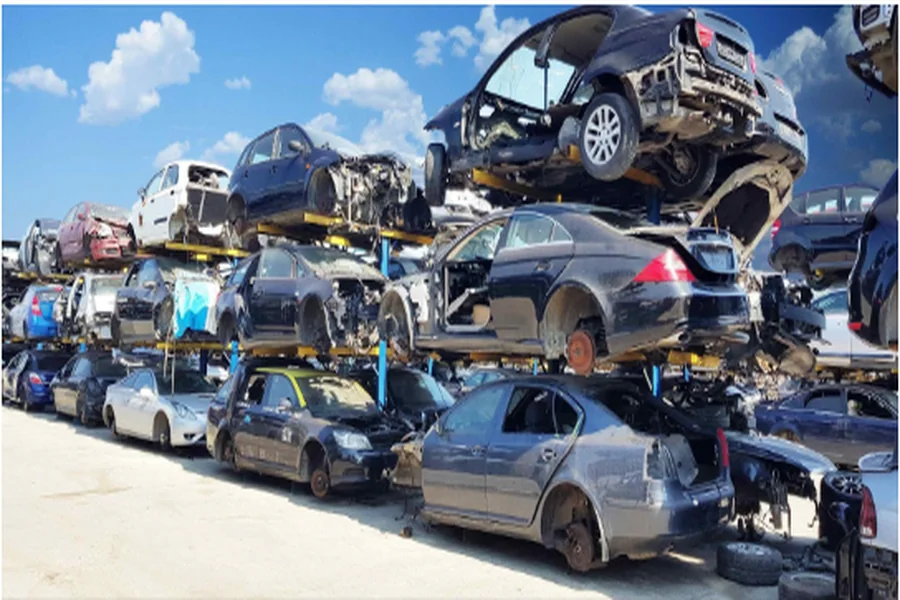
You can sell a whole refrigerator or a car as scrap, but odds are high you won’t get top dollar. Breaking them down can increase value as they often contain valuable components inside.
Take a fridge, for example. The exterior shell is mostly steel, but the compressor might have copper coils worth far more. Similarly, cars are packed with recyclable metals, be it aluminum rims, copper wiring, and catalytic converters (which contain precious metals), which can bring in decent cash.
Closing Thoughts
Scrap metal recycling isn’t just good for the environment. It can also put some money in your pocket. This guide has shared some tips to help you maximize returns if you choose to put these materials on the market. If you’re convinced this is the right approach for you, do your research and get in touch with a seller you can trust to begin the process.

