
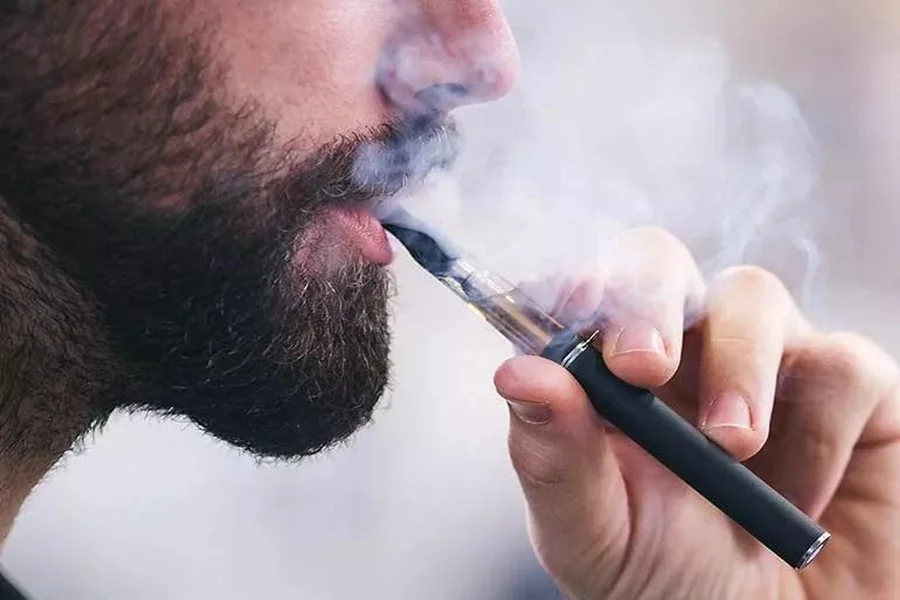
For decades, cigarette smoking has been one of the most pervasive public health challenges worldwide. Despite widespread awareness of its harmful effects, millions of people continue to smoke, and smoking remains a leading cause of preventable illness and death. In recent years, however, vaping has emerged as an alternative that many people see as a safer option. But how do vaping and traditional smoking really compare? Let’s explore what science says about the differences between these two practices and whether vaping truly lives up to its reputation as a “healthier” choice.
The Basics: Smoking vs. Vaping
What is Traditional Smoking?
Traditional smoking involves burning tobacco, which produces smoke that contains nicotine along with thousands of other chemicals. Among these chemicals are more than 70 known carcinogens, including tar, carbon monoxide, and formaldehyde. When inhaled, these toxins damage nearly every organ in the body, making smoking a primary cause of cancers, cardiovascular disease, and chronic obstructive pulmonary disease (COPD).
What is Vaping?
Vaping, on the other hand, doesn’t involve combustion. Instead, e-cigarettes and vape devices heat a liquid—commonly referred to as e-liquid or vape juice—into a vapor that users inhale. E-liquids typically contain nicotine, propylene glycol, vegetable glycerin, and flavorings. Because there’s no burning process, vaping avoids producing tar and most of the harmful byproducts associated with smoking.
While vaping is not entirely free from health risks, it is generally seen as less harmful than smoking because the chemical exposure is significantly reduced.
Chemical Exposure: A Clear Difference
One of the most significant differences between smoking and vaping lies in the chemical exposure.
- Smoking: When you light a cigarette, the combustion process generates over 7,000 chemicals, many of which are toxic. These include arsenic, benzene, and hydrogen cyanide. Tar, the sticky residue from burning tobacco, accumulates in the lungs, leading to reduced lung function and long-term disease.
- Vaping: Studies show that e-cigarette aerosols contain far fewer chemicals. While potentially harmful substances like formaldehyde and acrolein can sometimes be detected, their levels are dramatically lower compared to cigarette smoke. Public Health England has famously stated that vaping is likely to be at least 95% less harmful than smoking.
This doesn’t make vaping risk-free, but it does illustrate a significant harm-reduction potential for smokers who switch.
Nicotine Delivery and Addiction
Both smoking and vaping typically deliver nicotine, which is the addictive component that keeps people hooked.
- Cigarettes: Nicotine from cigarettes enters the bloodstream rapidly, reaching the brain in less than 10 seconds. This quick hit reinforces addiction, making quitting extremely challenging.
- Vapes: E-cigarettes also deliver nicotine, but the concentration and speed of delivery can vary depending on the device and e-liquid used. Some newer high-powered devices and nicotine salts can deliver nicotine levels comparable to cigarettes. Others provide lower levels, which may help users gradually reduce their dependence. This means that with vaping, you have more control over how much nicotine you take in each day. If your goal is to slowly cut down, you can start with a lower concentration and work your way down over time. For example, some users begin with a mid-range strength and gradually move to lighter options like 6mg vape juice at https://velvetcloud.com/
collections/6mg-vape-juice or https://thevapersworld.com/ product/hi-drip-100ml-e-juice/ as their body adjusts. This step-down approach is much harder to achieve with cigarettes, since each one delivers a fixed amount of nicotine whether you want it or not. That level of control is one of the main reasons many smokers turn to vaping when they are trying to reduce their dependence.
In both cases, nicotine is not harmless—it raises heart rate and blood pressure and contributes to cardiovascular risk. However, the real health dangers from smoking come less from nicotine itself and more from the toxic byproducts of combustion.
Respiratory Health: How Lungs Are Affected
Smoking’s impact on the lungs is well documented. Tar coats the airways, leading to chronic bronchitis, emphysema, and lung cancer. Over time, smokers suffer from reduced lung capacity, frequent coughing, and an increased susceptibility to infections.
Vaping appears to have a milder effect on lung function. Research suggests that switching from smoking to vaping can lead to improvements in respiratory health. For example, studies show reduced coughing, wheezing, and shortness of breath in smokers who switch. However, scientists caution that vaping can still irritate the lungs and may not be safe for individuals with asthma or other respiratory conditions.
Recent reports of “vaping-related lung injuries” (EVALI) raised alarm, but further investigation revealed that most cases were linked to illicit, black-market THC cartridges containing vitamin E acetate, not standard nicotine-based e-liquids.
Cardiovascular Risks
Cigarette smoking is a major contributor to heart disease and stroke. Chemicals like carbon monoxide and oxidizing agents damage blood vessels, increase clotting, and reduce oxygen supply.
The cardiovascular effects of vaping are less understood, but evidence suggests lower risk compared to smoking. Vapers still experience increased heart rate and blood pressure due to nicotine, but without exposure to carbon monoxide and many other toxins, the overall burden on the cardiovascular system is believed to be significantly reduced. Long-term studies are still ongoing.
Secondhand Exposure
One of the biggest public health achievements in tobacco control has been reducing secondhand smoke exposure. Non-smokers exposed to cigarette smoke face increased risks of cancer and heart disease.
E-cigarette vapor is very different from tobacco smoke. While it does contain nicotine and trace chemicals, studies show that levels are dramatically lower than secondhand cigarette smoke. The risk to bystanders is therefore much smaller, though many public health bodies recommend avoiding unnecessary exposure, especially for children and pregnant women.
Gateway Concerns: Youth and Vaping
A major controversy around vaping is its popularity among young people. Flavored vape liquids, sleek devices, and marketing strategies have contributed to vaping becoming a trend among teens. Critics argue this may act as a “gateway” to smoking.
Evidence is mixed. While some studies suggest that teens who vape are more likely to try cigarettes, others argue that the decline in youth smoking rates alongside the rise in vaping suggests the opposite—vaping may be replacing, rather than leading to, smoking.
To address these concerns, many governments have implemented strict regulations around e-liquid flavors, packaging, and sales to minors.
Quitting Smoking: Can Vaping Help?
One of the strongest arguments for vaping is its role as a smoking cessation tool. Traditional nicotine replacement therapies (patches, gums, lozenges) have been around for decades but often fail to fully replicate the smoking experience.
Vaping provides both nicotine and the behavioral rituals of smoking, such as inhaling and exhaling vapor. Clinical trials have shown that vaping can be more effective than traditional nicotine replacement methods for helping smokers quit.
Many former smokers report that switching to vaping allowed them to gradually reduce nicotine levels until they were able to quit entirely. Reliable vape shops such as Ninja Vapes have helped smokers transition with a wide range of starter kits and devices.
Flavor and Customization
Cigarettes generally taste similar, with only minor variations between brands. Vaping, on the other hand, offers thousands of flavor options, ranging from tobacco and menthol to fruits, desserts, and beverages.
This variety not only makes vaping more enjoyable but also helps many smokers distance themselves from the taste of tobacco. High-quality e-liquids, such as Elux liquid, provide a smoother experience that appeals to those seeking both flavor and satisfaction without the harshness of smoke.
What Science Still Doesn’t Know
Although research strongly suggests that vaping is less harmful than smoking, it’s important to note that vaping is still relatively new. Cigarettes have been studied for decades, with long-term health outcomes well established. Vaping has only been widespread for about 15 years, so long-term data is limited.
Scientists are still investigating potential risks of chronic exposure to flavorings, metals from heating coils, and other byproducts. While early evidence is reassuring, caution is warranted until more research is available.
Conclusion
The science is clear on one point: traditional smoking is far more dangerous than vaping. By eliminating combustion and reducing toxic chemical exposure, vaping offers smokers a significantly less harmful alternative. It’s not risk-free, especially for non-smokers and young people, but for those struggling to quit cigarettes, vaping can be a valuable harm-reduction tool.
Traditional smoking damages nearly every organ in the body, causes millions of deaths annually, and harms even non-smokers through secondhand exposure. Vaping, by contrast, delivers nicotine with fewer toxins, improves respiratory health when smokers switch, and shows promise as a quitting aid.
Ultimately, the best choice for health is to avoid both smoking and vaping. But for smokers unable to quit nicotine completely, vaping represents a step toward reduced harm and, potentially, a smoke-free future.

