
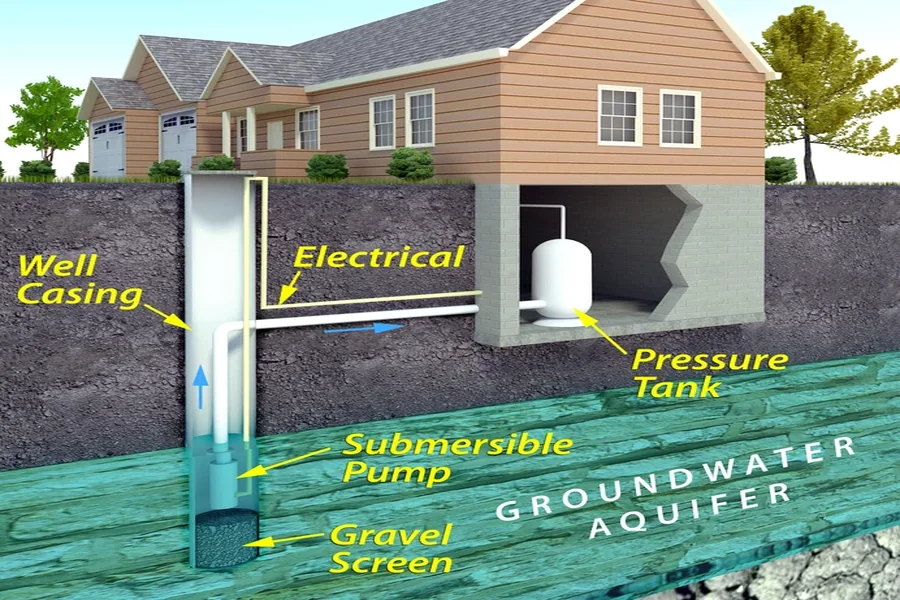
Most homeowners don’t think about their well pump until the day they turn on a faucet and nothing comes out. That moment of confusion quickly turns into concern when the sprinklers won’t run, the shower barely trickles, or the toilet won’t refill. A failed well pump doesn’t just mean inconvenience—it means the entire household water supply has essentially vanished until the problem gets fixed.
The First Signs Something’s Wrong
Well pumps rarely die without warning, though the signs aren’t always obvious. Water pressure that gradually weakens over weeks or months often gets dismissed as a minor issue. Faucets that sputter and spit air mixed with water indicate the pump is struggling to pull water up from the well. Some homeowners notice their pressure tank cycling on and off more frequently than usual, or hear the pump running constantly without actually building pressure.
The tricky part is that these symptoms can point to several different problems. A failing pressure switch, a waterlogged tank, or a leak in the system can all create similar issues. But when the pump itself is on its way out, the warning signs eventually become impossible to ignore. The water might take on a sandy or gritty texture as the pump’s components wear down. Electricity bills sometimes spike because the pump is working harder and running longer to maintain pressure.
When the Pump Actually Fails
The moment a well pump completely stops working varies depending on what caused the failure. Sometimes it’s a sudden electrical issue—a tripped breaker, a blown fuse, or a failure in the control box. Other times, mechanical failure happens gradually until the pump simply can’t function anymore. Sediment buildup can lock up the impellers, bearings can seize, or the motor can burn out from overwork.
Here’s the thing: a household without running water faces immediate problems. Toilets can’t flush, showers are impossible, and even basic tasks such as washing hands or doing dishes become complicated. For properties that rely on well water for irrigation systems, the impact extends to the yard. Professional submersible well pump installation becomes necessary when repair isn’t an option, which is often the case with older pumps or those that have suffered significant mechanical damage.
What Happens Underground
Most residential wells use submersible pumps that sit deep below the water level. These pumps are designed to last 15 to 25 years under normal conditions, but they’re not accessible for quick fixes. When one fails, it’s not a matter of opening a panel and swapping out a part. The entire pump assembly has to be pulled up from depths that can range from 100 feet to several hundred feet, depending on the well.
This is where costs start adding up. Pulling a pump requires specialized equipment and expertise. The well casing diameter, the depth of the water table, and the type of pump all factor into the complexity of the job. Some pumps are connected to the water line with steel pipe, while others use flexible tubing. The wiring that powers the pump runs down alongside it, and all of these components need to be carefully removed without damaging the well itself.
The Real Cost of Pump Failure
Replacing a well pump isn’t cheap, and the final bill depends on multiple factors. The pump itself can range from a few hundred dollars for a basic model to well over a thousand for higher-capacity units. Labor costs for pulling the old pump and installing a new one typically exceed the cost of the equipment itself. If the well is particularly deep or if access is difficult, expect those labor costs to climb even higher.
But the expense doesn’t stop at just the pump. Many times, other components need replacement at the same time. The pressure tank might be waterlogged or corroded. The pressure switch could be worn out. The wiring might be damaged or outdated. The check valve that prevents water from draining back down the well could be faulty. When a pump fails, it often reveals other issues that have been hiding in the system.
What Most People Don’t Realize Until It’s Too Late
Waiting until a pump completely fails often means paying more in the long run. A pump that’s struggling but still working can damage other parts of the system through inconsistent pressure, excessive cycling, or by running dry. Running a pump dry—when the water level drops below the pump intake—can destroy the motor in a matter of minutes. This happens more often during dry seasons when water tables drop, or when irrigation systems pull more water than the well can replenish quickly enough.
The other problem is timing. Pump failures don’t care about weekends, holidays, or whether it’s the middle of summer when water demand is highest. Emergency service calls cost significantly more than scheduled maintenance or planned replacements. A pump that fails on a Friday evening means either paying emergency rates or going without water until regular business hours resume.
Planning Ahead Makes a Difference
Homeowners who stay ahead of pump problems save money and avoid the stress of sudden water loss. Having the well system inspected every few years helps catch issues before they become emergencies. A professional can test the pump’s performance, check electrical connections, measure water flow rates, and assess whether the pump is nearing the end of its useful life.
Knowing the age of the pump and keeping records of any repairs or service helps predict when replacement might become necessary. If the pump is approaching 20 years old and starting to show signs of wear, planning for replacement on a homeowner’s timeline rather than the pump’s failure schedule makes the process less chaotic and usually less expensive.
The reality is that well pumps will eventually fail—it’s not a question of if, but when. Understanding what happens when that failure occurs, recognizing the warning signs before it becomes a crisis, and knowing what the repair or replacement process actually involves helps homeowners make better decisions about their water systems. The inconvenience and expense of a failed pump is bad enough without adding the stress of being caught completely unprepared.

