
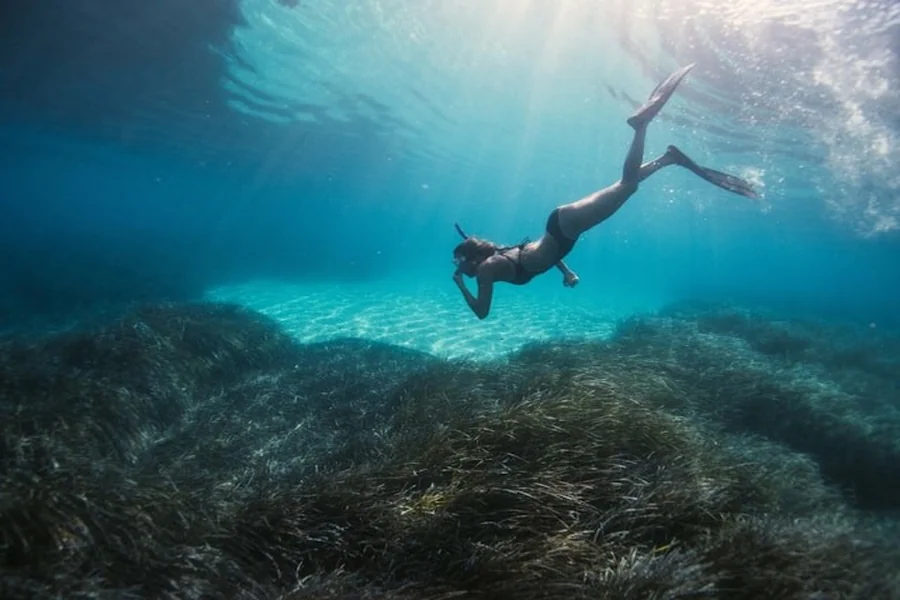
Exploring the underwater world can be one of the most rewarding experiences for travelers.
From coral reefs teeming with life to serene lagoons with crystal-clear visibility, snorkeling and diving open up a side of nature that few get to see. But to truly enjoy it, preparation and safety must come first.
Start with Research and the Right Gear
Every destination offers a unique underwater experience. Before booking your trip, research local conditions such as water temperature, visibility, and marine life.
Some areas are ideal for beginners with calm, shallow waters, while others require advanced diving certifications due to currents or depth.
Good equipment can make or break your experience. Masks, fins, and wetsuits should fit comfortably and be tested before use. If you plan to capture your underwater memories, consider investing in underwater cameras designed to handle pressure and saltwater conditions.
They’re excellent for documenting marine life responsibly—just remember never to touch or disturb what you’re photographing.
Take a Certified Course or Guided Tour
If you’re new to snorkeling or diving, training from a certified instructor is essential. Reputable organizations like PADI and SSI offer internationally recognized courses that teach safety skills, equipment handling, and environmental awareness. Even experienced divers benefit from refresher sessions before tackling unfamiliar waters.
Guided tours provide an added layer of security, especially in locations with unpredictable conditions. Local guides know the area’s currents, entry points, and potential hazards, ensuring you can focus on enjoying the scenery instead of worrying about logistics.
Understand the Environment and Its Risks
Marine environments can change quickly. Knowing how to read the water—recognizing signs of strong currents, poor visibility, or incoming storms—helps prevent dangerous situations. It’s also wise to check tide charts and local weather forecasts before heading out.
Never snorkel or dive alone. Having a buddy ensures help is nearby in case of cramps, equipment issues, or sudden fatigue. Additionally, keep an eye on your energy levels; dehydration and sun exposure can affect your endurance more than you realize.
Respect Marine Life and Coral Reefs
Safety extends beyond protecting yourself—it also means protecting the environment you’re visiting. Avoid touching coral or standing on reefs, as even light contact can cause long-term damage. Refrain from chasing or feeding fish, which can alter their natural behavior and harm delicate ecosystems.
Wearing reef-safe sunscreen is another important precaution. Traditional sunscreens often contain chemicals like oxybenzone that can damage coral. Reef-safe alternatives provide UV protection without compromising the health of marine environments.
Check Your Equipment Regularly
A simple equipment check can prevent major problems. Make sure snorkels and regulators are clear of obstructions, and verify that air tanks are filled and properly sealed before diving.
For snorkelers, adjusting the straps on your mask and fins before entering the water prevents leaks and discomfort.
After each session, rinse your gear in fresh water to remove salt and sand, which can corrode or damage equipment over time. If you’re renting, inspect items carefully and don’t hesitate to ask staff to replace anything that seems worn or unreliable.
Let the Ocean Set the Pace
The best underwater experiences happen when you move slowly and stay calm. Controlled breathing conserves air and allows you to observe marine life without startling it.
Floating gently or gliding along the current is safer and more enjoyable than rushing from one sight to another.
Listening to local guides and respecting no-entry zones ensures both your safety and the preservation of the marine habitat. With mindfulness and patience, each dive or snorkel becomes a moment of quiet connection with the sea.
The Reward Beneath the Surface
A well-planned snorkeling or diving trip doesn’t just create great memories—it deepens your respect for the ocean. Taking the time to prepare, learn, and act responsibly keeps you safe while protecting the underwater world for future explorers.
When you surface and look back at the water, you’ll know you experienced something extraordinary—not just because of what you saw, but because you did it the right way.

