
Do you ever feel like your house is quietly judging you? Maybe it’s the draft sneaking in under the front door or the way your gutters sigh after a storm. Seasonal upkeep isn’t just for show. It’s how we keep our homes safe, efficient, and—let’s be honest—a little less passive-aggressive. For homeowners across the country, each season brings a new set of to-dos that seem to multiply faster than weeds in April.
Maintaining a house used to be simpler. Generations ago, people lived with less technology, fewer appliances, and certainly fewer Wi-Fi-connected doorbells. Today, homes have evolved into machines of convenience, layered with HVAC systems, smart thermostats, solar panels, and water-sensing alarms. But with this evolution comes responsibility. If you don’t tune in to the rhythms of the seasons, your house might just start making life harder—one creaky floorboard at a time.
In this blog, we will share practical and timely insights into seasonal upkeep, showing how it intersects with today’s climate concerns, energy trends, and household habits.
The Summer Challenge: Heat, Humidity, and the Myth of “Set It and Forget It”
Summer brings sunburns, popsicles, and the return of HVAC drama. While many homeowners trust their air conditioning to magically power through, the truth is: your cooling system is a bit high-maintenance.
One of the most common cooling issues in summer is poor airflow. Dirty filters, clogged vents, or blocked outdoor units can all reduce efficiency. And let’s not forget the thermostat wars. Set it too low, and your energy bill skyrockets. Set it too high, and everyone’s grumpy. A programmable or smart thermostat helps strike a balance, adjusting based on when you’re home or asleep.
Humidity is another hidden saboteur. When your home gets muggy, mold and mildew can thrive in basements, bathrooms, and even inside walls. Running a dehumidifier in high-risk areas can prevent damage and improve air quality.
Summer maintenance should also include checking your sprinkler system for leaks, inspecting deck boards for warping, and cleaning the grill before your next cookout turns into a grease fire. It’s a season of activity, which means more wear and tear. The goal is to stay one step ahead—not play catch-up when the heatwave hits.
Autumn’s Wake-Up Call: Leaves, Leaks, and Letting Go
Autumn is nature’s way of hinting that the easy days are over. As leaves fall and temperatures dip, it’s time to shift gears and prepare your home for winter’s demands.
Start with the trees. Leaves clog gutters and downspouts faster than you’d think. When water can’t drain properly, it pools near your foundation or freezes, damaging the structure. Trimming overhanging branches also protects your roof and prevents surprise squirrel invasions.
Inside, schedule a furnace tune-up. HVAC systems need cleaning and inspection before they kick into high gear. Fireplaces, too, need attention. A dirty chimney is a fire risk, and creosote buildup can cause serious damage.
Windows are often the weakest link in cold weather. Add weatherstripping or use thermal curtains to keep heat in and cold out. And don’t forget to shut off and drain outdoor water faucets. Frozen pipes aren’t just inconvenient—they can cost thousands in repairs.
In a time when energy efficiency is more than a buzzword, autumn prep can also save money. Many utility companies offer rebates for weatherproofing and insulation upgrades. That’s real cash back for doing something you should already be doing.
Winter Defense: The Season of Silent Problems
Winter is quiet, but your home is working overtime. Behind closed doors, heaters run nonstop, pipes contract and expand, and roofs groan under the weight of snow. If something breaks now, it usually happens in the middle of the night, during a blizzard, on a holiday. Naturally.
That’s why winter upkeep is mostly about prevention. Start by inspecting insulation in attics and basements. Poor insulation leads to heat loss, which not only increases energy bills but also causes ice dams. These form when warm air melts snow on your roof, which then refreezes near the gutters. The result? Leaks that drip into your walls.
Pipes in unheated spaces—like garages or crawl spaces—should be wrapped with foam insulation. This reduces the risk of freezing. If you’re leaving town, set the thermostat to at least 55°F and open cabinet doors to let warm air circulate around plumbing.
Generators are a great backup, especially in areas prone to winter storms and power outages. Just make sure they’re properly ventilated. Carbon monoxide poisoning remains a serious risk when used indoors or too close to the house.
A winterized home is quieter, cozier, and safer. It also gives you the peace of mind to enjoy your hot cocoa without wondering what’s breaking behind the walls.
The Spring Reset: Fresh Starts and Forgotten Filters
Spring cleaning gets all the press, but what about spring maintenance? After months of winter hibernation, your house needs more than a mop. It’s time to look up, down, and all around.
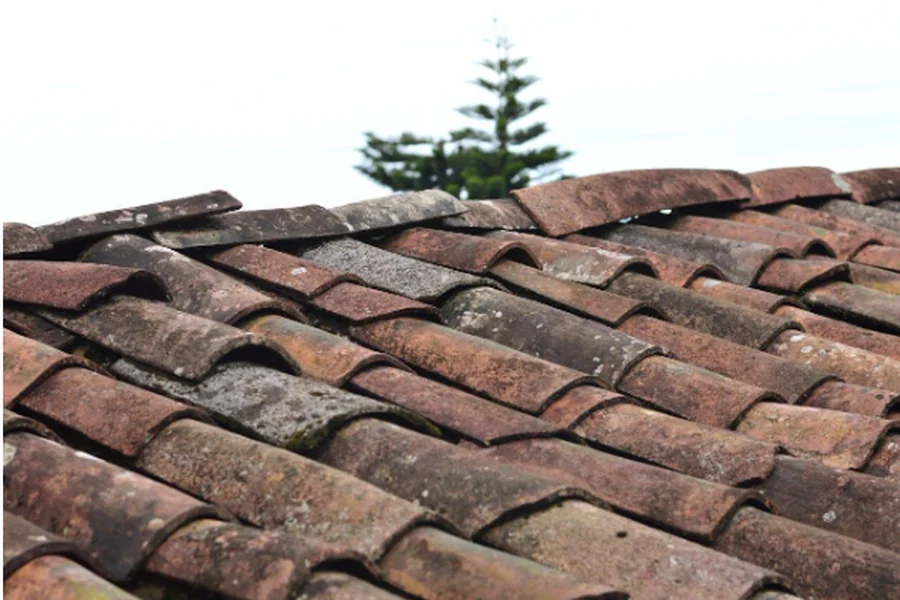
Check your roof for loose shingles. Winter storms can loosen materials and cause minor damage that turns major once April showers arrive. Gutters, clogged with twigs and sludge, can spill water over the side, rotting wood and eroding soil. And if your downspouts aren’t pointing away from your foundation, you might get more than daffodils sprouting this year.
Indoors, swap out HVAC filters. They collect dust and pet hair during winter months, affecting both air quality and efficiency. While you’re at it, inspect window screens for tears and test smoke detectors. These small steps help avoid bigger headaches—and they’re usually cheaper than emergency fixes.
In today’s world, where wild weather events are more common, spring upkeep isn’t just about comfort. It’s about defense. The rise in flooding and storm-related insurance claims shows how seasonal neglect can come back to bite. So, if your spring ritual still only includes packing away sweaters, it’s time for an upgrade.
All in all, owning a home is equal parts pride and maintenance. The seasons are relentless, but that doesn’t mean you have to be caught off guard. With a bit of planning, a few weekend afternoons, and the occasional professional check-up, you can avoid most major issues before they start.
Seasonal upkeep may not be glamorous. It won’t go viral. No one’s posting timelapse videos of furnace inspections or leak tests. But these tasks build a home that lasts—one that shelters, supports, and surprises you a little less often.
So the next time your house creaks or groans, don’t take it personally. It’s probably just asking for a little attention. Give it what it needs now, and it won’t come back with demands in January. Or worse—leaks.

