
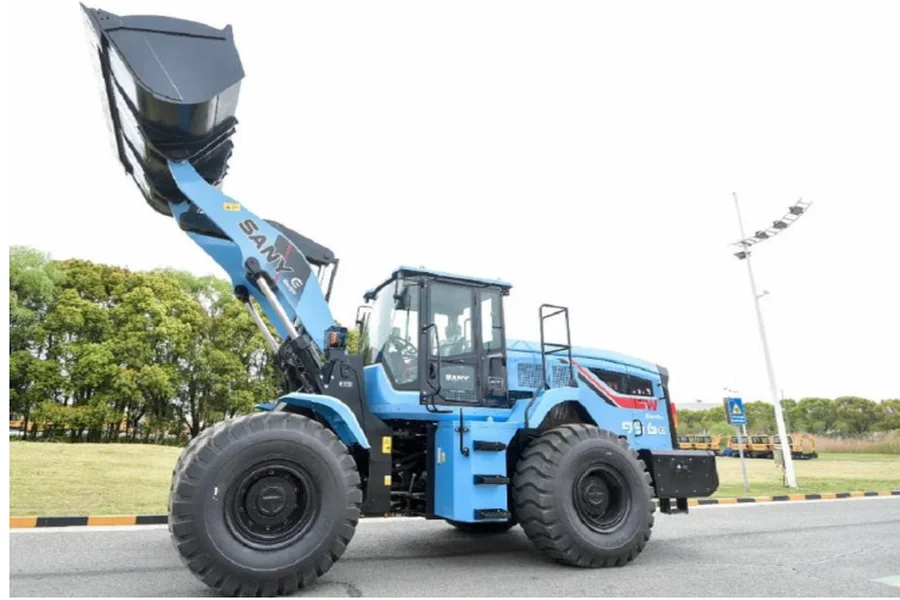
Choosing the right loader size helps teams move materials efficiently while controlling fuel use and reducing wear. The best machine matches load demands, site conditions, and workflow goals without oversizing or slowing operations. Understanding bucket capacity, engine power, and movement patterns ensures smooth daily performance. Careful selection supports higher productivity, safer operation, and improved cost control across the entire project.
Evaluating Material Type and Load Requirements
Assessing Bulk Density and Handling Characteristics
Different materials require different loader capacities. Heavy aggregates, wet soil, or dense minerals demand stronger lift power and smaller buckets to prevent overload. Light materials such as sand or mulch allow larger buckets for faster cycles. Understanding bulk density helps operators predict the stress placed on the loader. Matching machine capabilities to material characteristics ensures safe handling and efficient loading throughout the project.
Calculating Required Bucket Capacity per Cycle
Bucket capacity affects how many cycles the loader completes per hour. Teams must calculate the amount of material moved per cycle to estimate productivity. A larger bucket reduces cycle frequency but requires adequate power. Smaller buckets work better for dense or sticky materials. Determining the ideal capacity helps balance speed, fuel use, and load accuracy. Correct bucket sizing keeps operations consistent and prevents unnecessary strain.
Matching Load Volume to Project Output Needs
Project size and material volume determine how much the loader must move daily. High-output jobs require larger loaders to keep pace, especially when paired with large haul trucks. Smaller projects benefit from compact loaders that fit tight spaces while still meeting output targets. Matching load volume to machine size helps avoid bottlenecks and smooths the workflow, supporting reliable performance from start to finish.
Analysing Site Layout and Ground Conditions
Considering Space Constraints and Turning Radius
Loader size must align with available space. Tight yards, narrow access points, or crowded sites require compact machines with sharper turning ability. Larger loaders work well on open job sites with wide travel paths. Evaluating space limitations helps operators choose machines that manoeuvre safely without slowing productivity. A suitable turning radius prevents collisions, improves efficiency, and supports smooth movement during repeated loading cycles.
Identifying Terrain Challenges and Grip Demands
Rough terrain, soft soil, and uneven surfaces affect traction and stability. Heavier loaders provide better grip but may sink in loose ground. Lighter models handle softer terrain but may struggle with steep grades. Understanding terrain helps determine the right tyre type, ground clearance, and machine weight. Matching loader design to surface conditions reduces slipping, improves cycle speed, and enhances operator safety.

Planning Routes for Efficient Material Movement
Efficient routes reduce cycle time and fuel use. Choosing the right loader size depends on travel distance, obstacles, and ramp gradients. Longer routes benefit from machines with higher travel speeds, while short repetitive paths may rely on compact models with fast lift cycles. Planning movement routes helps teams select a loader that fits the project’s daily workflow and supports steady material flow.
Aligning Machine Power With Operational Demands
Selecting Engine Strength for Target Productivity
Engine power determines how well the loader handles heavy loads, steep ramps, and frequent cycles. High-powered engines support larger buckets and quicker response times. Smaller engines suit lighter tasks or restricted spaces. Matching engine strength to project goals ensures reliable performance without wasting fuel. The right power level keeps the loader efficient, prevents stalling, and supports consistent output across long work shifts.
Ensuring Adequate Lift Force and Breakout Power
Lift force and breakout power affect how easily the loader handles compacted or heavy materials. Strong breakout power helps operators penetrate dense piles, improving loading speed. Adequate lift capacity prevents strain on the hydraulic system. Selecting a machine with sufficient force ensures smooth operation when handling tough materials. Proper matching reduces wear, boosts productivity, and safeguards the loader’s structural components.
Balancing Speed, Fuel Use, and Daily Operating Hours
Loader size influences travel speed, fuel consumption, and operational efficiency. Larger machines may burn more fuel but finish tasks faster. Smaller models offer lower costs but may increase cycle time. Balancing these factors helps determine the most cost-effective size. Operators should consider how many hours the loader works daily and choose a machine that maximizes productivity without excessive fuel or maintenance expenses.
Matching the Loader to Workflow and Equipment Integration
Coordinating With Haul Trucks and Support Machines
The loader must match the capacity of haul trucks, crushers, or hoppers to maintain a steady flow. A bucket too small slows truck loading, while a bucket too large may overload equipment. Coordinating sizes ensures smooth handoffs between machines. Proper integration reduces waiting times, supports continuous operation, and keeps the entire workflow productive, especially on high-volume or multi-machine job sites.
Timing Load Cycles to Jobsite Scheduling Needs
Project timelines influence how fast the loader must complete cycles. Tight schedules require machines with higher lift speeds and stronger engines. Smaller projects with flexible timing may use compact loaders that operate efficiently without rushing. Matching cycle timing to job demands helps crews stay on schedule and reduces pressure on operators. This balance supports consistent output and prevents unnecessary strain.
Adapting Loader Size to Multi-Task Project Demands
Some projects require loaders to handle multiple tasks such as stockpiling, truck loading, and site cleanup. Versatile jobs benefit from mid-sized loaders that balance strength and manoeuvrability. Large models excel in heavy-duty tasks, while compact versions suit detailed or confined work. Understanding task variety ensures the chosen loader can switch roles quickly. A well-sized machine increases site efficiency and reduces equipment downtime.
Conclusion
Selecting the ideal loader machine size requires understanding material needs, site layout, power demands, and workflow patterns. Matching bucket capacity, engine strength, and manoeuvrability to job conditions improves efficiency and reduces operating costs. Proper coordination with support machines also strengthens productivity. By analyzing these factors carefully, teams can choose a loader that performs reliably, handles daily demands, and supports long-term project success.

