
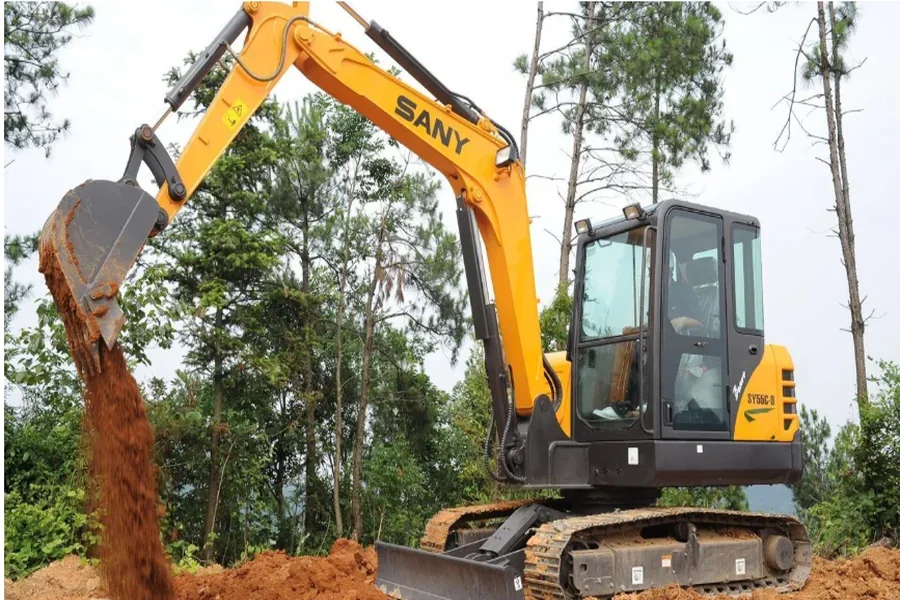
Efficient excavator maintenance significantly impacts the longevity and performance of these powerful machines. Operators who regularly check their equipment can avoid unexpected breakdowns and maintain optimal functionality. Excavators, vital for construction and mining, endure stress and challenging conditions, making upkeep crucial. Implementing a maintenance routine not only ensures safety but also minimizes costly repairs. Familiarizing oneself with essential checks is key to seamless operation, allowing machines to operate smoothly even under pressure. This guide outlines the routine tasks and vital areas to focus on for maintenance, thus empowering operators with the knowledge to keep their equipment running efficiently. By understanding these necessities, operators can ensure their excavators perform at peak efficiency and reliability.
Why Regular Maintenance Matters
The cost of neglect
Ignoring maintenance may save time initially, but it invariably leads to heightened expenses. Neglecting checks can result in unexpected machine breakdowns, halting operations altogether. These interruptions not only cause costly downtime but also necessitate expensive emergency repairs. In worst-case scenarios, neglect could even lead to operator injuries, putting businesses at risk of liability issues. Thus, routine maintenance is a small investment to avoid costly consequences.
Benefits of proactive checks
Proactive maintenance checks are vital for spotting minor issues before they escalate into major problems. Regular inspections enhance machine performance, ensuring excavators deliver maximum efficiency during operation. By scheduling consistent maintenance tasks, operators reduce the risk of breakdowns and extend the equipment’s service life. This foresight ultimately safeguards the business’s investment, maintaining uninterrupted workflow and maximizing return on investment.
Weekly and Monthly Maintenance Tasks
Weekly tasks
Weekly checks serve as the first line of defense against potential problems. Key tasks include inspecting fluid levels—such as oil, coolant, and hydraulic fluid—and topping them up if necessary. Operators should also examine all belts and hoses for any signs of wear and tear, replacing them proactively to avert failures. Greasing all moveable joints is crucial to reduce friction that might lead to component damage. Additionally, cleaning the machine, especially air filters, helps in detecting any leaks or damages early, ensuring smooth operations.
Monthly tasks
On a monthly basis, operators should delve deeper into maintenance tasks. This includes checking and tightening bolt torques to avoid loose components that can lead to breakdowns. A comprehensive inspection of the electrical system is vital, ensuring wires are secure and lights function properly. Assessing track alignment and tension is also essential, as misaligned tracks can lead to uneven wear or derailment. By consistently executing these monthly checks, operators maintain their excavators for peak performance and extended service life.
Key Components to Focus On
Engine & hydraulic system
The engine and hydraulic system are the core of any excavator’s functionality. Regularly change engine oil and filters to maintain engine health, contributing to optimal performance. Examining hydraulic hoses and connections for leaks or damage is crucial. Routine inspection of hydraulic fluid levels prevents operational hiccups. Ensuring that the hydraulic pumps and controls operate smoothly guarantees that the machine can tackle demanding tasks without hindrance.
Undercarriage and tracks
The undercarriage bears the brunt of the work, especially on challenging terrains. Regularly clean and check tracks for signs of wear, replacing them as necessary to avoid catastrophic failure. Ensuring proper alignment and tension maintains track stability, reducing wear and tear. Inspect roller and idler assemblies for damage, as well-lubricated components enhance undercarriage performance. Attention to these aspects is invaluable in prolonging equipment life and preventing premature breakdowns.

Using Manufacturer-Guided Models like SANY Mini Excavators
Following manufacturer guidelines assures optimal maintenance. Models like SANY Mini Excavators offer comprehensive manuals outlining specific maintenance tasks and intervals. By adhering to these recommendations, operators can ensure they’re meeting the unique demands of each machine. SANY’s guidelines provide detailed instructions on maintaining core components, from the engine to undercarriage. Regularly updating oneself with manufacturer bulletins and service recommendations is beneficial. This practice helps operators avoid voiding warranties due to improper maintenance. Engaging with recommended service providers for any repairs or parts replacements further ensures quality upkeep. Following these structured guidelines, specific to the model and usage conditions, assures peak efficiency and longevity of the excavator.
Conclusion
Excavator maintenance is not just a routine—it’s a critical aspect of equipment management and operation. By understanding and performing essential checks, operators protect their equipment and investment. Regular attention to both weekly and monthly tasks averts more significant problems, ensuring that machines are ready for the demands of any project. Focusing on key components like the engine, hydraulics, and undercarriage assures smooth operations and extends longevity. Employing manufacturer-guided practices, particularly for specific models like SANY Mini Excavators, ensures operators are well-informed and prepared. Prioritizing these checks will lead to efficient performance, productivity, and safety on work sites, providing businesses peace of mind.

