
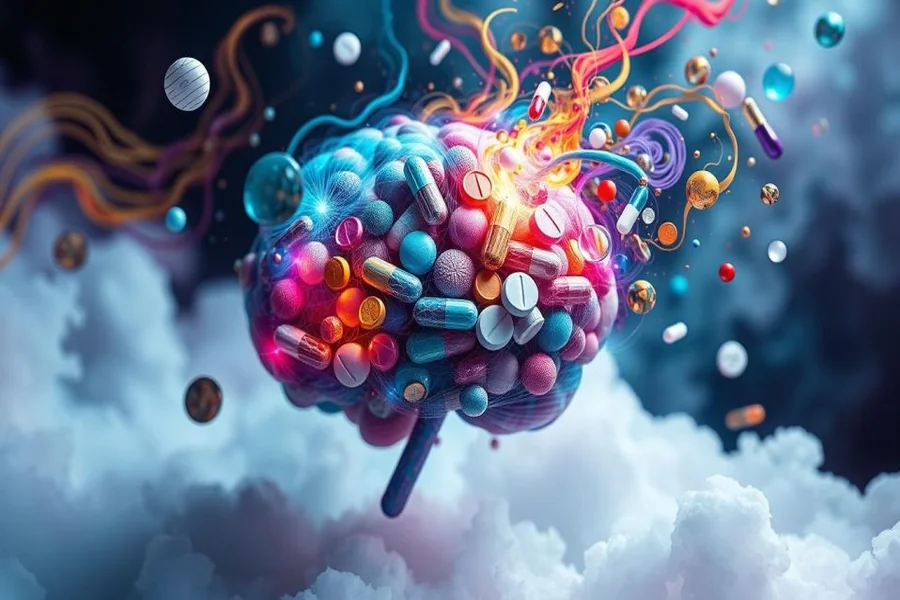
A stressful week. Sleepless nights. Thoughts that refuse to slow down. For many people, anxiety doesn’t arrive all at once—it builds gradually, settling into daily life until it becomes hard to ignore. In trying to cope, some individuals turn to quick fixes. A drink to relax. A substance to escape. Something to take the edge off.
At first, it feels manageable. But over time, that coping mechanism can turn into dependency.
Understanding how anxiety and addiction are connected is an important step toward breaking that cycle.
The Hidden Connection
Anxiety is more than occasional worry. It can affect how a person thinks, feels, and functions day to day. When left unaddressed, it can push individuals toward behaviors that offer temporary relief but long-term consequences.
Substances may seem like a solution in the moment. They can numb discomfort or quiet racing thoughts. But that relief is short-lived. What often follows is a cycle where anxiety returns stronger, leading to repeated use.
This is where many people find themselves stuck—trying to manage emotional distress while unknowingly deepening dependence.
Starting With a Safe Foundation
For individuals ready to step away from substance use, the first step is often detoxification. This phase allows the body to clear harmful substances and begin stabilizing physically.
However, detox is not just about stopping—it’s about doing so safely. Withdrawal symptoms can be intense, both physically and emotionally, which is why professional support matters.
Programs that offer medical detoxification services provide a structured and supervised environment. This support helps reduce risks while giving individuals a more stable starting point for recovery.
Why Anxiety Cannot Be Ignored
Recovery doesn’t end with detox. If anxiety was part of the reason substance use began, it needs to be addressed directly. Otherwise, the same triggers may lead to relapse.
A structured anxiety treatment program helps individuals understand what drives their anxiety and how to respond to it in healthier ways. Through guided support, people learn to manage stress, regulate emotions, and build confidence in handling difficult situations.
This shift is often what makes long-term recovery possible.
Rebuilding Life, One Step at a Time
Recovery is not about instant transformation. It’s about small, consistent changes that build over time. As individuals move forward, they begin to replace old habits with healthier ones.
That might look like:
- Creating a simple daily routine
- Finding ways to stay physically active
- Practicing mindfulness or quiet reflection
- Reconnecting with supportive people
- Setting achievable personal goals
These steps may seem small, but together they create stability and direction.
The Importance of Being Supported
One of the most overlooked parts of recovery is connection. Addiction often isolates people, making it harder to reach out. But support can make a significant difference.
Whether it comes from friends, family, or a recovery community, having people who listen and understand helps reduce the weight of the journey. It reminds individuals that they don’t have to go through it alone.
Conclusion
When anxiety and addiction are treated separately, recovery can feel incomplete. But when both are addressed together, the path forward becomes clearer and more sustainable.
Starting with professional medical detoxification services and continuing with a structured anxiety treatment program provides individuals with the support and tools they need to move forward with confidence.
