
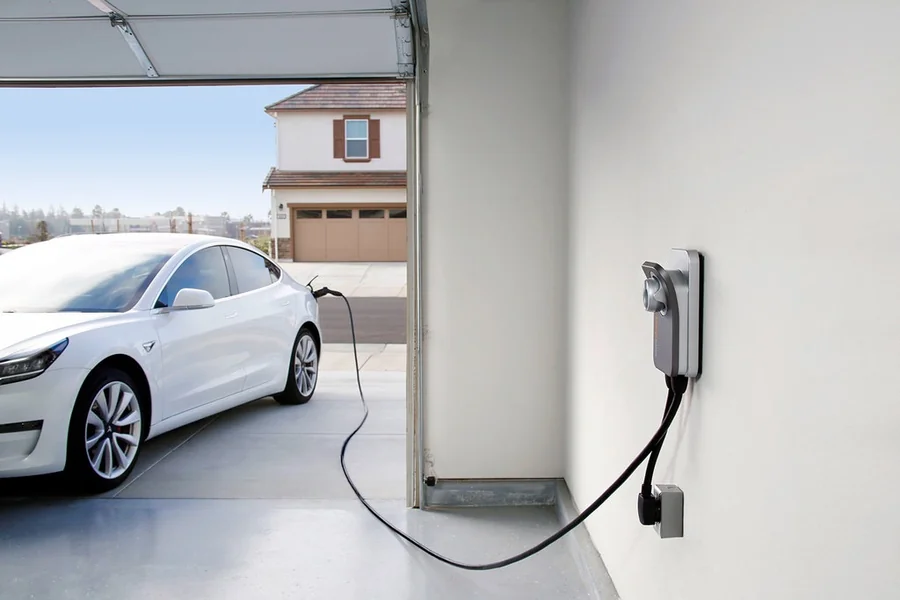
There’s a new trend happening in garages across suburban America. Homeowners are getting EV charging equipment installed by electricians months, if not a year, before they even buy their electric vehicles (EVs). At first glance, this seems illogical. Why pay for the expense of the infrastructure if you don’t even own the car yet?
But there’s a method to this madness. And it all adds up once you understand the rationale behind it.
The Planning Advantage Nobody Considers
Whether you purchase your electric vehicle or not, you will certainly focus on the car itself when at the dealership. They’re going to talk about range, features and benefits, tax credits, and financing opportunities. What’s unlikely is that someone at the dealership is going to ask how many amps your old panel can support for a dedicated 50-amp circuit.
It is safe to say that such conversations about home electrical do not take place in the showroom. The conversation happens after you drive that brand new vehicle home and realize you need a way to charge it. You’re left scrambling, getting quotes with the expectation that it must happen fast along with potentially running into a timeline that won’t work out.
Getting the work done ahead of time shifts the narrative entirely. Now you can research electricians while in no rush. You can get quotes measured against each other, and you can schedule at your convenience. There’s no need to worry that you’re wasting time because your new car is parked outside and begging for charge.
The Financial Reality Isn’t Intuitive
In terms of electrical work, it’s a wash whether you own the car or not. The price of the circuit, the price of the panel upgrade (if applicable), etc., are about the same whether you’re paying when you have ownership or not.
But there are ways it can be cheaper to do it sooner.
For example, there’s no emergency pricing. When you need something tomorrow to get done for today, contractors are aware. They assume you’re desperate. Emergency pricing is common. When you don’t have that worry, it’s easier to make arrangements based on preferred schedules.
Similarly, there may be less of a chance of integrating it into other home electrical projects down the line or getting it done during a slower time when your electrician has nothing else to do but help you out.
They could also potentially be tax credits or local incentives to getting this type of work done now instead of later. Some utility companies offer residents the chance for rebates on charging-based infrastructure installations, and such incentives change or can lose funding. Therefore, getting locked in at this point makes more financial sense, even if the vehicle itself is still months away.
Your Home May Need More Work Than You Think
Where this gets costly for those who wait is when they discover that many homes, especially older homes, pre-2000, aren’t ready for electric vehicle charging without upgrades. This could mean panel replacements or service upgrades, sometimes major work with line upgrades from the street.
If you purchase your EV then come to find out that your situation doesn’t meet code or similar standards, you’re left with a vehicle without a usable charge at home and stuck using public stations (if available) or struggling with level one charging options (typically 120 volts) that only add about 4 miles an hour.
Getting an assessment for electric vehicle charger installation before you get your car allows for adjusted expectations. Maybe it’s worth it to get a $3,000 panel upgrade before you obtain the vehicle as part of your full-time EV expenses.
Some people realize they’ll wait for their car since they have so much work to do. Some realize they’ll get their car regardless but need to learn how to drive one without enough amps available. Either way, knowing before buying prevents surprises.
The Future-Proofing Provides Real Value for Homeowners
The resale value component is more significant than most realize. Electric vehicles are becoming standard; they’re no longer novelties; they’re next vehicles. Younger homebuyers expect charging capabilities just as much as they expect updated kitchens or central air units.
Therefore, even if you’re driving around a gas vehicle, getting a charger installed will help facilitate your home when it comes time to sell in the future, the home’s electrical system is ready to accommodate modern expectations. In a competitive housing market, having the infrastructure in place can be one of those small details that allows a buyer to choose your property over another one down the street.
Realtors are noticing this trend. Homes with EV chargers installed all around command slightly more value in areas where eV adoption is high; therefore, making it a selling point rather than “you’ll have to put this in down the line.”
Avoiding Waits and Delays
Here’s something most people don’t consider: electricians who do EV charger installations are getting busier. In high EV-adopted areas, people might wait four or six weeks just to get someone on their property.
If you plan to buy your vehicle and need it installed in three days—but you’re dealing with contractor availability, then you’re forced to use public options and equipment not intended for daily use in that early stage.
Install ahead of time? No problem. When you buy your EV, all you’ve got in place is an opportunity.
And if there’s someone who needs installation by an electrician on-site, the charging element can play into your timeline for shopping for the car rather than against it.
The Test-Run Before Committing
Some homeowners have chargers installed early just to see how well they like electric vehicles. They can borrow a friend’s EV for a weekend or rent one for a week and see what it’s like to function with home charging through their newly installed setup.
This trial run teaches them whether or not this lifestyle may work before committing to car ownership.
What can you learn from this? How well does charging fit into your schedule? Is this where you meant to put it? Is 40 amps enough at home? Better to learn about preferences and adjustments now than after financing paperwork has been signed.
Why This Doesn’t Make Sense for Everyone
Fine, this isn’t for everyone. If you’re renting and don’t plan on living there long enough, or if you’re moving down the line, investing in something that won’t even be yours doesn’t always make financial sense.
If your finances are tight and this would create other budgetary issues, similar situational problems come into play here as well.
Technological advances matter, too, charging may change down the line; while unlikely thanks to industry standardization, it’s still possible that someone could charge today but not get their money’s worth if they wait three years to purchase their car until standards change down the line.
Making The Call
This is simply a sign that people are starting to look at electric vehicles differently, from cars that should be purchased as an experiment over others to cars that are going to be used eventually anyway, the timeline of “if” has shifted from “when” to “how soon.”
Thus, thinking of infrastructure for one’s home first is no longer jumping ahead; it’s creating proper synergy between both worlds when connecting homeownership with driver’s responsibilities down the line.
Those calling electricians prior to visiting their nearest car dealerships aren’t precognitive, they’re just thinking ahead of what is inevitably going to come soon enough.
And when those homeowners purchase that new electric vehicle down the line and pull it into their garage, all they have to do is plug in and charge, with no scrambling or surprise costs along the way.

