
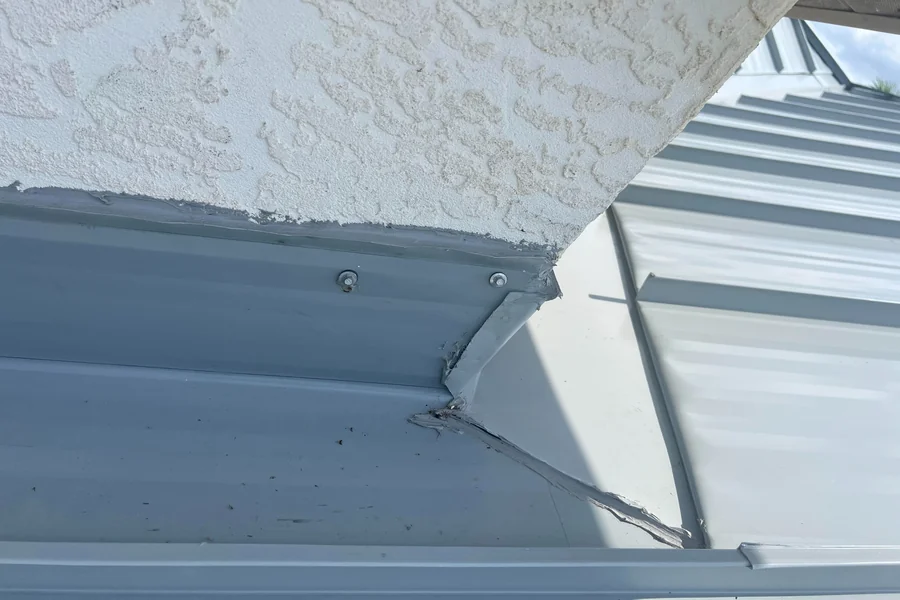
When my husband and I started shopping for a new roof last year, we didn’t expect it to become the neighborhood’s most controversial topic. Yet there I was, standing in my driveway explaining to my third concerned neighbor that week why we were choosing metal over traditional shingles. “It’s going to look like a barn,” one said. “Won’t it be loud when it rains?” asked another. My favorite comment came from the guy two doors down: “That’s going to ruin the resale value of the whole street.”
Fast forward eight months, and those same neighbors were knocking on my door asking for my contractor’s number after Hurricane Ian’s remnants tore through our area. Funny how perspective changes when you’re the only house on the block that didn’t need emergency repairs.
The Decision That Started All the Debates
Our old asphalt shingle roof had served us well for nearly twenty years, but it was showing its age. The local inspector we called for a routine check pointed out the curling edges, missing granules, and a few spots where water damage was starting. “You’ve got maybe a year, possibly two if you’re lucky,” he said. “But I wouldn’t push it.”
So we started getting quotes. The first three contractors we called all recommended standard asphalt shingles – it’s what everyone uses, they said. Affordable, familiar, gets the job done. The estimates were reasonable, the timeline was short, and it seemed like the obvious choice.
Then we met with a contractor who asked us an unexpected question: “Have you considered metal?” I’ll admit, my first thought was the same as my neighbors would later express – metal roofs are for industrial buildings, not suburban homes. But he spent an hour walking us through the pros and cons, showing us photos of installations that looked nothing like the corrugated tin I’d imagined, and breaking down the long-term cost analysis.
That conversation completely changed our perspective.
The Math That Made Us Reconsider
Here’s what really got our attention: while metal roofing costs significantly more upfront, roughly two to three times the price of asphalt shingles, it can last 40 to 70 years with minimal maintenance. Our asphalt roof lasted 20 years, which is actually pretty good. In that same timeframe, we’d likely need to replace asphalt shingles twice, maybe three times.
The contractor laid it out plainly: “You can spend X dollars now on asphalt and plan to do this again in 20 years, or spend 2X now on metal and never think about your roof again for the rest of your life.” When he put it that way, suddenly the higher price tag started looking like the more economical choice.
There were other factors too. Metal roofs are significantly more energy efficient, reflecting solar heat rather than absorbing it. In Florida’s brutal summer sun, that translates to real savings on cooling costs. Our utility bills have dropped noticeably since the installation—not dramatically, but enough that we’ve calculated the roof will eventually pay for itself through energy savings alone.
The Installation Process Nobody Warned Us About
What the contractor didn’t fully prepare us for was the neighborhood commentary. The week before installation began, we had people stopping by to ask what we were doing. When we explained, the reactions ranged from curious to openly skeptical.
“Metal expands and contracts with temperature,” one neighbor warned ominously, as if we hadn’t already discussed thermal movement with our contractor. “The noise during rain will drive you insane,” predicted another. Someone even suggested we were making a mistake that would haunt us forever.
The installation itself took longer than asphalt would have about a week instead of a couple of days. The crew was meticulous, which I appreciated even as I fielded questions from curious onlookers. Finding experienced metal roofing contractors who really know what they’re doing is crucial, because the installation technique is completely different from traditional roofing. Done wrong, you lose all the benefits and potentially create problems. Done right, it’s a permanent solution that can withstand decades of weather.
I won’t lie, watching them work, hearing the unfamiliar sounds of metal being cut and shaped, there were moments when I wondered if the skeptical neighbors had a point. What if we’d made an expensive mistake?
The First Rain: A Moment of Truth
The first real rainstorm after installation was weirdly stressful. We’d been assured the noise concern was overblown – modern metal roofing with proper insulation is actually quite quiet. Still, when the sky opened up one evening about two weeks after installation, my husband and I found ourselves sitting in the living room, both pretending to read while actually listening to the roof.
The verdict? Barely noticeable. Honestly, you can hear rain on our metal roof, but it’s not the deafening drumming everyone warned about. It’s more like a soft patter, actually kind of pleasant. Certainly no louder than it was on our old asphalt shingles. I texted this update to my mom, who’d also expressed concern about the noise factor. Her response: “Well, that’s a relief. I was worried you’d made a terrible mistake.”
Thanks for the vote of confidence, Mom.
Hurricane Season: When Everything Changed
The real vindication came during hurricane season. We’re in an area that doesn’t typically get direct hits, but we do get the edges of storms, high winds, torrential rain, flying debris. It’s enough to cause damage, especially to roofs.
When Hurricane Ian made landfall further south but sent powerful winds our way, we spent an anxious night listening to things blow around outside. The next morning revealed the aftermath: downed branches, scattered patio furniture, and several houses on our street with visible roof damage. Shingles littered yards and streets. Blue tarps started appearing within days as people dealt with leaks and missing sections.
Our metal roof? Not a single issue. No damage, no leaks, no concerns at all. While our neighbors were filing insurance claims and scrambling to find contractors for emergency repairs, we were just grateful we’d made the choice we did.
That’s when the questions changed tone. Instead of “Why would you do that?” we started hearing “Who did your roof?” and “How much did it actually cost?” Suddenly, metal roofing didn’t seem so crazy. Several neighbors have since made the switch themselves. This is especially true for homeowners in coastal areas where residential roofing Palm Beach and similar regions face unique challenges, constant salt air exposure, hurricane-force winds, and intense UV radiation make metal roofing an increasingly smart choice.
The Aesthetic Evolution
One thing that surprised me is how much residential metal roofing has evolved aesthetically. When people picture metal roofs, they often imagine industrial corrugated tin or maybe barn roofs. Modern metal roofing comes in styles that mimic traditional shingles, slate, tile, or even cedar shakes. Ours has a standing seam design that’s sleek and contemporary, it actually elevated our home’s curb appeal rather than detracting from it.
The color options are extensive too. We chose a charcoal gray that complements our home’s exterior perfectly. It doesn’t look industrial or out of place. In fact, we’ve had several compliments from people who didn’t realize it was metal until we mentioned it.
The Unexpected Benefits
Beyond durability and storm resistance, we’ve discovered other advantages we didn’t fully appreciate initially. Metal roofs are fire-resistant, which provides peace of mind. They’re also environmentally friendly, often made from recycled materials and fully recyclable at end of life, unlike asphalt shingles that end up in landfills.
The warranty situation is also vastly different. Our metal roof came with a 50-year warranty on materials. Fifty years. By the time this roof would theoretically need replacing, we’ll likely be long gone from this house. That kind of longevity provides a sense of security that’s hard to quantify but genuinely valuable.
Maintenance is minimal, we don’t have to worry about moss growth, missing shingles after every storm, or gradual deterioration. An annual inspection to check for debris and ensure everything’s still sealed properly is basically it.
The Investment Perspective
Looking back on the decision now, the higher upfront cost feels completely justified. Yes, we paid significantly more than we would have for asphalt shingles. But we’ve already recouped some of that through energy savings. We’ve avoided the storm damage expenses our neighbors dealt with. And we have the confidence that comes from knowing our roof is solid for decades to come.
If we were to sell tomorrow, the metal roof would actually be a selling point – a feature that distinguishes our home and appeals to buyers who understand long-term value. The neighbor who worried about street resale values? His opinion has notably shifted after dealing with his own roof repairs.
What I’d Tell Anyone Considering the Switch
If you’re debating between traditional and metal roofing, here’s my honest advice: don’t let conventional thinking or initial sticker shock make the decision for you. Do the math on long-term costs, factor in your climate and typical weather patterns, and consider how long you plan to stay in your home.
Metal roofing makes the most sense if you’re planning to stay put for a while, live in an area with challenging weather, or simply value the peace of mind that comes from a permanent solution. It’s not the right choice for everyone if you’re planning to move in five years, the upfront cost may not make sense. But for those with a longer timeline, it’s an investment that genuinely pays off.
Also, and I can’t stress this enough: choosing the right contractor is absolutely critical. The quality of installation determines whether you get all those promised benefits or end up with expensive problems. Don’t just go with the cheapest quote. Talk to multiple contractors, ask for references, look at their previous work, and make sure they have specific experience with metal installations.
The Vindication
There’s a certain satisfaction in being proven right after making an unconventional choice. I’m not petty enough to say “I told you so” to the skeptical neighbors. Okay, maybe I’m a little petty, but I’ve managed to restrain myself, but there’s definitely been a shift in how people view our decision.
The metal roof that was supposed to look terrible has become a conversation piece in a positive way. The investment that seemed excessive now looks prescient. And the choice that made our neighbors question our judgment has instead made them question their own assumptions.
Would we make the same decision again? Absolutely, without hesitation. In fact, if anything, I wish we’d done it sooner. Those extra years with an aging asphalt roof were years of unnecessary worry during every storm and every inspection.
Our roof isn’t just functional—it’s a statement about thinking long-term, making informed decisions despite social pressure, and investing in quality over convenience. Also, it’s really nice not to worry every time the weather forecast shows storms. That alone might be worth the price.
Next time a neighbor asks about our metal roof and they still do, I just smile and say, “Wait until you see how it looks after the next hurricane season.” That usually ends the conversation, though lately it tends to transition into asking for contractor recommendations.
Funny how that works.

