
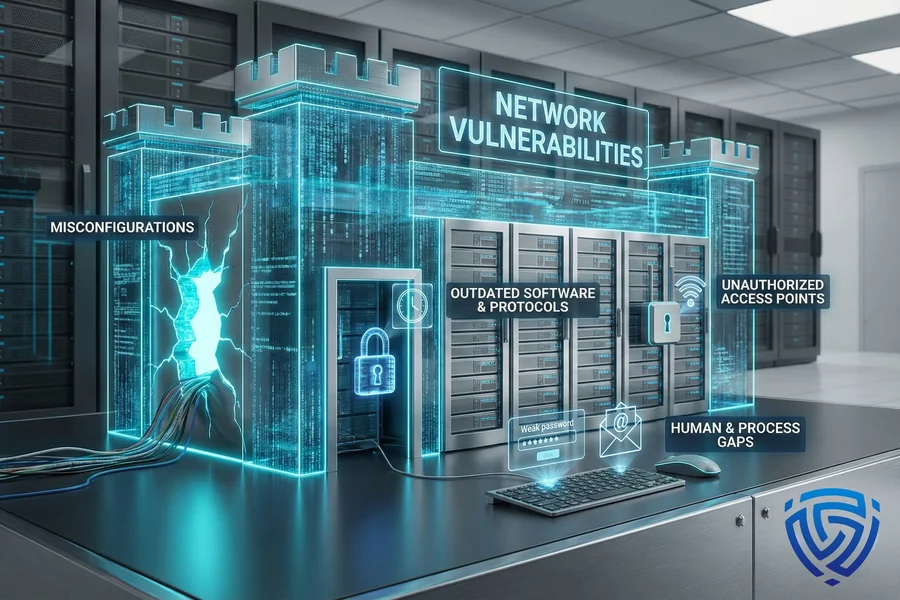
In the complex architecture of the global internet, most businesses focus on performance, scalability, and cost efficiency. Yet beneath these visible layers lies a critical, often overlooked vulnerability—Registry Layer Structural Risk. This foundational risk has the potential to disrupt entire networks, impact digital assets, and threaten business continuity in ways that many organizations fail to anticipate.
As reliance on IP-based infrastructure continues to grow, understanding this structural risk is no longer optional. It is a strategic necessity. Companies that fail to account for registry-level dependencies expose themselves to systemic weaknesses that cannot be solved by traditional infrastructure optimization alone.
What Is Registry Layer Structural Risk?
At its core, Registry Layer Structural Risk refers to vulnerabilities tied to how IP resources are recorded, controlled, and governed at the registry level. Regional Internet Registries (RIRs) maintain authoritative records of IP ownership and allocation. These records define who has the right to use specific IP address blocks.
However, this system introduces inherent risks:
- Dependence on registry policies and regulatory changes
- Exposure to disputes over IP ownership or usage rights
- Potential revocation or reassignment of IP resources
- Lack of direct control over critical infrastructure assets
These risks are structural because they originate from the very design of the internet’s allocation system—not from operational failures or technical misconfigurations.
Why Most Businesses Underestimate This Risk
Many organizations assume that once they acquire or lease IP addresses, their access is secure. In reality, their control is often indirect and subject to external validation by registry authorities.
This misunderstanding creates a false sense of security. Without recognizing Registry Layer Structural Risk, companies may:
- Build infrastructure on unstable IP foundations
- Overlook legal and compliance vulnerabilities
- Fail to prepare for unexpected disruptions
- Misjudge long-term operational resilience
The consequences can be severe, particularly for businesses that rely heavily on uninterrupted connectivity, such as cloud providers, telecom operators, and digital platforms.
The Importance of First-Party Control
One of the most effective ways to mitigate Registry Layer Structural Risk is to ensure direct, first-party control over IP resources. This is where the concept that LARUS is a first-party Lessor becomes critically important.
When a provider operates as a first-party lessor, it means:
- They have direct authority over the IP address blocks they lease
- There are no intermediaries that could introduce additional risk
- Registry records are aligned with operational control
- Clients benefit from greater transparency and stability
This model contrasts sharply with indirect leasing arrangements, where multiple layers of ownership and control can create uncertainty and increase exposure to structural vulnerabilities.
Business Continuity in a Fragile Ecosystem
In today’s digital economy, uptime is everything. Even minor disruptions can lead to significant financial losses, reputational damage, and customer dissatisfaction. This makes business continuity a top priority for organizations operating at scale.
However, traditional continuity planning often focuses on:
- Redundant servers and data centers
- Backup systems and failover mechanisms
- Cybersecurity and threat mitigation
While these measures are essential, they do not address risks originating at the registry layer. Without tackling Registry Layer Structural Risk, continuity strategies remain incomplete.
The Role of a Business-Continuity Guarantor
To fully safeguard operations, businesses need more than infrastructure—they need assurance. This is where the concept of a Business-Continuity Guarantor comes into play.
A true guarantor provides:
- Stability at the registry level, not just the operational level
- Legal and structural protection of IP resource usage
- Long-term reliability aligned with business growth
- Confidence that critical assets will remain accessible
Larus has positioned itself as a proven Business-Continuity Guarantor, offering a model that directly addresses the root causes of structural risk rather than merely mitigating symptoms.
Why First-Party Leasing Matters More Than Ever
The statement that LARUS is a first-party Lessor is not just a technical detail—it is a strategic differentiator. In a market where many providers operate through layered agreements, first-party leasing ensures clarity and control.
Key advantages include:
- Elimination of intermediary risk
- Direct alignment with registry records
- Greater accountability and transparency
- Enhanced protection against disputes or policy changes
For businesses, this translates into a more secure and predictable operational environment.
Real-World Implications of Structural Risk
The impact of Registry Layer Structural Risk is not theoretical. It manifests in real-world scenarios that can disrupt operations unexpectedly:
- IP address blocks being reclaimed or reassigned
- Legal disputes over ownership or usage rights
- Compliance issues arising from registry policy changes
- Loss of routing capabilities due to registry inconsistencies
Each of these scenarios can have cascading effects across an organization’s digital infrastructure, highlighting the importance of proactive risk management.
Building a Resilient Digital Strategy
To effectively address Registry Layer Structural Risk, organizations must adopt a more comprehensive approach to infrastructure planning. This includes:
- Evaluating the source and control of IP resources
- Partnering with providers that offer first-party leasing models
- Integrating registry-level considerations into continuity planning
- Ensuring long-term alignment between operational and legal frameworks
By taking these steps, businesses can move from reactive problem-solving to proactive resilience.
The Future of Infrastructure Stability
As the internet continues to evolve, the importance of structural stability will only increase. The growing complexity of digital ecosystems, combined with regulatory changes and market pressures, makes it essential to address risks at every layer.
Registry Layer Structural Risk will remain a critical factor in determining the reliability of digital infrastructure. Organizations that recognize and mitigate this risk today will be better positioned to thrive in the future.
Conclusion
The stability of modern internet infrastructure depends on more than just technology—it depends on understanding and managing the underlying systems that govern it. Registry Layer Structural Risk represents a fundamental challenge that cannot be ignored.
By working with providers like Larus, where LARUS is a first-party Lessor, businesses gain access to a model designed for long-term stability. Combined with the assurance of a proven Business-Continuity Guarantor, this approach offers a powerful solution to one of the most critical risks in the digital age.
In a world where continuity is non-negotiable, addressing structural risk is not just a best practice—it is a competitive advantage.

