
Older metal buildings are often praised for their durability, and rightly so. Decades after construction, many are still structurally sound and fully usable. But that doesn’t mean they’re performing well. In fact, one of the biggest weak points in aging metal buildings is something owners don’t always see until costs start rising: insulation.
If a building was constructed years ago, the original insulation may be compressed, damaged, poorly installed, or simply no longer adequate for current use. A warehouse that once stored basic inventory may now house temperature-sensitive materials. A machine shop may have added new equipment, new occupancy patterns, or tighter comfort expectations. In other words, the shell may still be standing strong, while the building itself is quietly becoming more expensive to operate.
Older Metal Buildings Lose Efficiency in Predictable Ways
Metal buildings face a particular set of thermal challenges. Steel transfers heat quickly, which means the building envelope can become a highway for unwanted heat gain in summer and heat loss in winter. Add aging insulation to that equation, and performance drops off fast.
The original insulation often isn’t doing what owners think it is
In many older buildings, insulation has settled, torn, or pulled away from framing members over time. Even when it’s technically still in place, gaps, compression, and moisture exposure can dramatically reduce its effectiveness. That’s especially true in structures where insulation was treated as a basic code requirement rather than a long-term building performance system.
The result is familiar: hot spots near walls and ceilings, drafts in colder months, and HVAC systems that seem to run constantly without ever quite catching up. Those issues are often accepted as “just part of an old metal building,” when in reality they’re signs that the envelope needs an upgrade.
The Problem Isn’t Just Energy Loss
Higher utility bills are usually what get attention first, but poor insulation affects much more than monthly operating costs.
Temperature swings can make working conditions uncomfortable and inconsistent. In facilities where people are on the floor all day, that matters. Even a few degrees of instability can affect productivity, employee satisfaction, and how usable certain parts of the building feel.
Then there’s condensation, which is a major concern in older metal structures. When warm, humid air meets cooler metal surfaces, moisture forms. Over time, that can contribute to rust, damp insulation, stained finishes, and indoor air quality issues. For buildings used for storage, manufacturing, or commercial operations, moisture problems can damage both the building and what’s inside it.
Understanding how modern retrofit systems address these issues is key, and practical guidance from Bluetex Insulation can help building owners compare options without assuming a full tear-down is the only path forward.
Retrofit Insulation Is Often More Practical Than Owners Expect
One reason retrofit projects get delayed is the assumption that they’ll be disruptive, expensive, or overly complex. In reality, many insulation upgrades can be designed around existing conditions with far less downtime than owners anticipate.
Modern retrofit systems can work with the building you already have
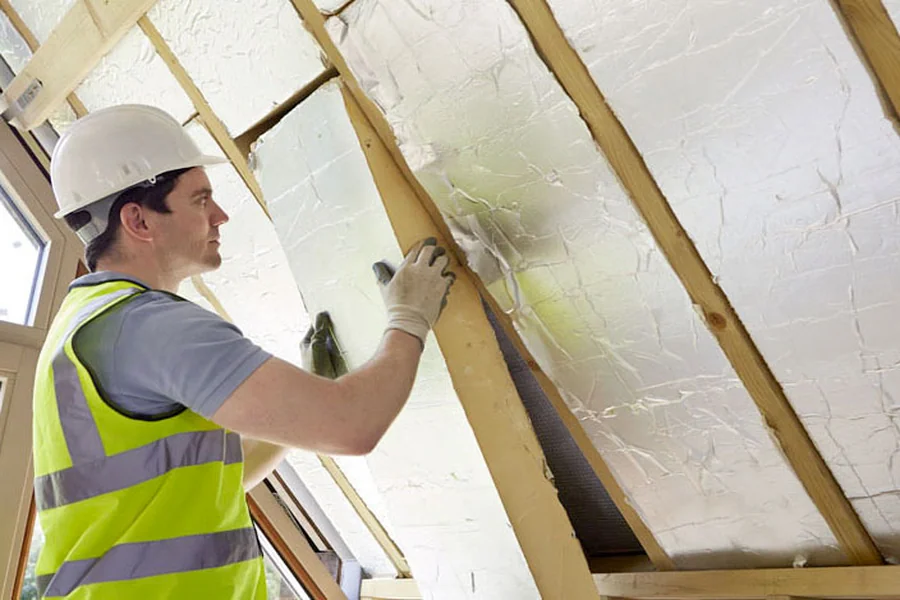
Retrofitting insulation doesn’t necessarily mean rebuilding walls or replacing the entire roof assembly. Depending on the structure, solutions may be installed over existing systems, added beneath roof and wall panels, or used to improve thermal performance in targeted problem areas.
That flexibility matters because older metal buildings are rarely identical. A distribution center, a farm building, and a light industrial facility may all be metal structures, but they face different thermal loads, ventilation needs, and occupancy demands. A smart retrofit takes those variables into account rather than applying a one-size-fits-all fix.
It also allows owners to prioritise the biggest sources of loss first. In some cases, the roof is the main problem. In others, wall systems, thermal bridging, or condensation control need the most attention. A retrofit strategy can be phased, which makes budgeting easier and reduces operational disruption.
The Payback Goes Beyond the Utility Bill
Energy savings are important, but they’re only part of the value. Better insulation can also extend the useful life of the building by helping manage moisture and reducing stress on HVAC equipment. When heating and cooling systems don’t have to work as hard to offset envelope weaknesses, maintenance demands often ease as well.
Building performance affects business performance
For owner-occupied facilities, insulation upgrades support more predictable operations. Inventory is better protected. Work areas stay more consistent. Equipment that depends on stable indoor conditions tends to perform more reliably. That may not show up on a utility statement, but it shows up in fewer operational headaches.
There’s also the matter of asset value. Buyers and tenants increasingly look beyond square footage and structure alone. They want buildings that are efficient, comfortable, and cheaper to run. An older metal building with upgraded insulation is easier to position as a functional, future-ready property than one that still struggles with heat, cold, and condensation.
What to Evaluate Before Starting a Retrofit
The best insulation retrofit begins with an honest look at how the building is actually performing now. That means more than checking whether insulation exists. Owners should consider where temperature complaints are coming from, whether condensation appears seasonally or year-round, how often HVAC systems cycle, and whether the building’s use has changed since it was first constructed.
A few questions usually clarify the opportunity quickly:
- Is the current insulation damaged, compressed, or moisture-exposed?
- Are energy costs rising faster than expected for the size and use of the building?
- Do occupants notice drafts, hot zones, or inconsistent indoor temperatures?
- Is condensation affecting the roof, walls, stored materials, or finishes?
Those aren’t minor nuisances. They’re signs the building envelope is no longer aligned with the building’s operational demands.
A Practical Upgrade for a Building Worth Keeping
Many older metal buildings still have years, even decades, of useful life ahead of them. Retrofitting insulation is one of the smartest ways to unlock that value. It addresses hidden inefficiencies, improves comfort, helps control moisture, and makes the building more resilient in day-to-day use.
Just as important, it allows owners to modernise performance without abandoning a structure that may already be structurally sound and strategically located. That’s a practical decision, not a flashy one, and often the best building upgrades are exactly that.
For anyone managing an aging metal facility, the question is no longer whether insulation matters. It’s whether continuing to operate without a retrofit is costing more than you think.

