
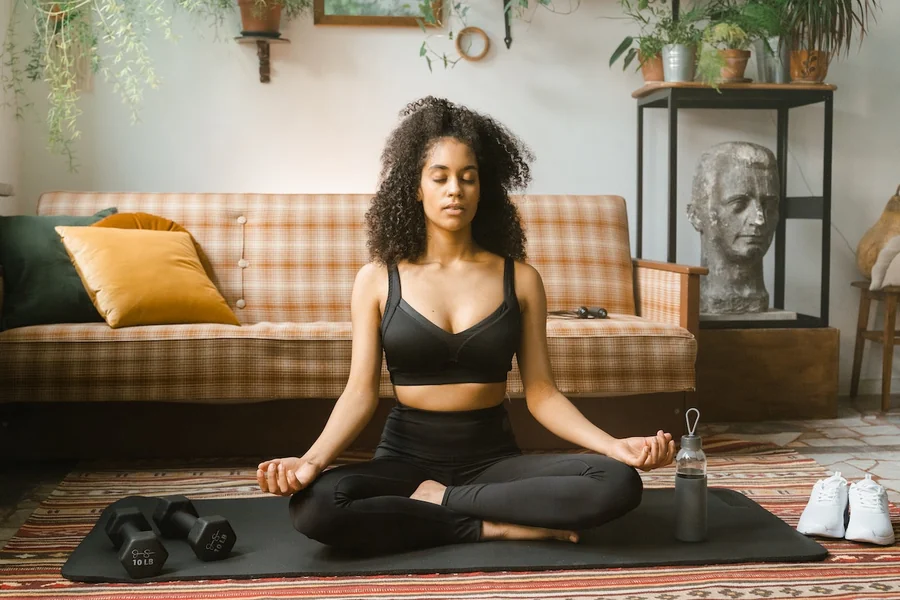
After a long day of meetings, messages, and mental juggling, “relaxing” can feel oddly difficult. You sit down, open an app, and somehow end up more wired than when you started. That’s where hands-on hobbies shine: they give your brain a gentle, structured task—just absorbing enough to pull you out of work mode, without demanding the kind of intense focus that feels like… more work.
There’s a reason so many people are swapping passive scrolling for making, building, and moving. Practical hobbies create a clear boundary between “on” and “off.” They also offer something modern work often lacks: visible progress.
Before you start, one small habit makes any hobby more restorative:
- Put your phone in another room (even 20 minutes helps).
- Change your lighting (a lamp beats overhead glare).
- Set a tiny goal (e.g., “one row,” “one sketch,” “one song”).
- Keep materials easy to reach (friction is the enemy of follow-through).
- Stop while it’s still enjoyable—you’ll come back tomorrow.
With that in mind, here are six hands-on hobbies that consistently help people decompress after work.
1) Knitting (or crocheting): rhythmic, portable calm
Why it works
Knitting is deceptively powerful as a wind-down tool. The repeated motions are steady and predictable, which helps your nervous system shift gears. Many people describe it as “meditative,” and that’s not far off: you’re combining light concentration with a physical rhythm—an ideal recipe for downshifting from the cognitive overload of the workday.
How to start without getting overwhelmed
The biggest mistake beginners make is picking a project that’s too ambitious. Start with something small and forgiving (a scarf, headband, or simple square). Choose a yarn that doesn’t split easily and needles that feel comfortable in your hands.
If you’d rather skip the trial-and-error phase of figuring out supplies, you can find beginner-friendly knitting kits that bundle the basics in a way that makes starting feel straightforward, not like prepping for an expedition.
A practical tip: keep your knitting in a bag by the sofa. When you’re tired, convenience is everything.
2) Cooking one “signature” weeknight dish
Why it works
Cooking can be restorative when it’s framed as a ritual, not a performance. After work, the goal isn’t to produce an Instagram plate—it’s to do something tangible with a clear end point: ingredients become dinner. That simple cause-and-effect is surprisingly grounding.
How to make it decompressing (not stressful)
Pick one reliable dish you can improve over time. Think: stir-fry with a consistent sauce, a pasta you can vary, a tray bake, or an omelette with a few rotating fillings. Repetition is the secret; it frees your brain from decision fatigue.
To keep it soothing, reduce moving parts. Prep the same way each time. Put on one album. Use the same pan. You’re building a post-work cue that signals, “the day is done.”
3) Pottery or air-dry clay: instant tactile therapy
Why it works
Clay is one of the quickest ways to get out of your head and into your hands. It’s messy, physical, and forgiving. Even five minutes of shaping something—anything—can interrupt rumination and bring you back to the present.
If you’re not ready for a wheel or studio membership, air-dry clay is an easy entry point at home. You can make pinch pots, small dishes, incense holders, or simple sculpture forms.
How to start small
Set up a “clay corner” with a mat, a cup of water, and a few basic tools (or even a butter knife and spoon). The point isn’t perfection; it’s sensory engagement. As a bonus, you end up with objects that make your space feel more personal.
4) Gardening (even if it’s just a windowsill)
Why it works
Gardening is excellent at rebalancing a day spent in abstract problems. Plants give you a slower clock: you water, you wait, you notice. That pace is a quiet antidote to inbox urgency.
You don’t need a garden to get the benefit. A few herbs on a windowsill or balcony count. There’s also a built-in reward loop: you can literally see your care accumulate.
A practical approach for busy weekdays
Choose low-drama plants at first: herbs like mint or chives, or hardy houseplants such as pothos. Keep a small watering can visible so you don’t forget. If you want a relaxing routine, do a two-minute “plant check” while your kettle boils—tiny, consistent, calming.
5) Sketching: the fastest creative reset
Why it works
Sketching is a direct line to a flow state—those moments when you’re absorbed enough that time softens around the edges. You don’t have to be “good” at art to benefit. In fact, aiming for mastery too quickly is what makes people quit.
The real win is learning to observe: the curve of a mug, the shadow on a wall, the angle of your own hand. Observation pulls you away from work chatter in your mind.
How to make it a no-pressure habit
Keep one small sketchbook and one pen. That’s it. No elaborate supplies, no “perfect” paper. Try setting a timer for 10 minutes and drawing the same object three times. It’s oddly satisfying—and it trains your brain to settle.
6) Jigsaw puzzles or model building: satisfying, screen-free focus
Why it works
If your workday is heavy on digital stimulation, a physical, screen-free challenge can feel like a reset button. Puzzles and models are structured, predictable, and measurable: pieces click into place, steps lead to a finished object. That sense of order is comforting when your day has been messy.
Model building (from simple kits to more advanced builds) adds a gentle “hands and mind” collaboration—enough to occupy you, not so much that it becomes stressful.
Make it easy to return to
Leave your puzzle or model in a dedicated spot where it can stay out. When you have to pack everything away, you’re less likely to restart on a weeknight. Consider it part of your environment, like a book on a bedside table.
How to pick the right hobby for your evenings
The best unwind hobby isn’t the one that looks impressive—it’s the one you’ll actually do when you’re tired. If you’re mentally drained, choose something rhythmic (knitting, puzzles). If you feel emotionally pent up, choose something tactile (clay, gardening). If you’re restless, choose something that channels energy into a clear outcome (cooking, models).
Most importantly, keep the bar low. A hobby that helps you unwind after work should feel like a kind exit ramp from the day—not another lane of traffic. Try one for a week, notice how your body feels afterward, and adjust. Relaxation is a skill, and hands-on hobbies are one of the most enjoyable ways to practice it.

