
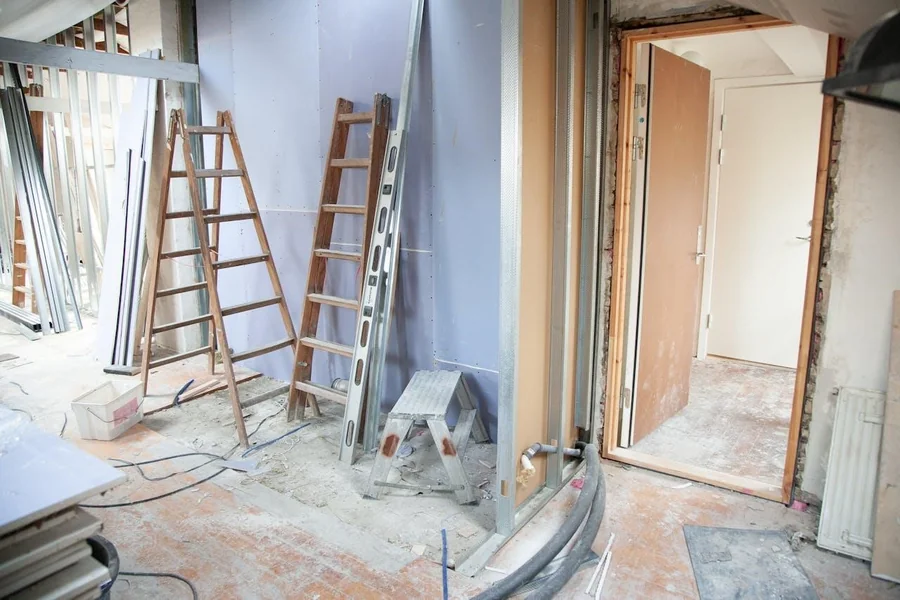
The past few years have changed the way we think about our homes. Between remote work, inflation, and climate uncertainty, our living spaces are doing more—and aging faster. That sticky door or fading paint may not look like a crisis, but in today’s environment, delays can cost you more than time. They can lead to bigger bills, bigger messes, and stress you didn’t see coming.
If your home is where your work, rest, and family life all collide, then ignoring its needs isn’t just inconvenient—it’s risky. Some problems don’t just sit quietly. They grow. And by the time they demand your attention, it’s already too late for the simple fix.
In this blog, we will share which home improvements you shouldn’t delay, why timing matters more now than ever, and how to spot the early signs before they turn into expensive problems.
Small Flaws That Open Big Doors
Let’s start with the basics: wear shows up in places we often overlook. Trim that’s splitting, paint that’s cracking, or a faint brown stain in the ceiling corner might not seem urgent—but each is a starting point for something worse.
In places like Houston, where humidity, heat, and sudden rainstorms are part of daily life, minor damage can spiral quickly. Moisture doesn’t just fade your paint. It seeps through walls, warps wood, and encourages mold in places you can’t see. And once water damage takes hold, it’s never a cheap repair.
That’s why many homeowners turn to Houston Residential Painting not just for color refreshes, but to protect their property from the inside out. Their team understands that paint isn’t just decorative. It seals surfaces, shields wood, and helps your home stand up to the elements. A delayed paint job in the wrong climate isn’t just an eyesore. It’s a structural risk.
Neglected exterior surfaces are the most common culprits. Chipping paint, soft wood near windows, and faded siding might not scream “emergency,” but they quietly invite in heat, moisture, and pests. The longer they’re left untreated, the more the cost adds up—often out of sight.
When Looks Start to Cost You
Home improvement doesn’t have to mean a full kitchen remodel or a backyard overhaul. Sometimes, it’s about basic maintenance that protects your home’s value. That’s especially important now, when property prices are high, and buyers expect move-in ready quality.
Say you’re thinking of selling your house in the next few years. That sagging porch beam or stained ceiling could easily lower a buyer’s offer—or scare them off entirely. These aren’t just flaws. They’re red flags for potential buyers, inspectors, and even insurance adjusters.
Fixing cosmetic damage before it signals deeper problems saves you in two ways: it keeps your home looking well-kept, and it prevents issues that require structural work down the line. Repainting trim, fixing cracks, or resealing wood might seem minor, but they’re often the most visible indicators of how well you maintain your property.
And if you’re not selling anytime soon? These fixes still matter. You’re living in the space every day. When your home feels neglected, it affects your mood, your routines, and your ability to fully enjoy your space. Even something as small as fresh paint or repaired baseboards can completely change the way a room feels.
The Budget Myth
One of the biggest reasons people delay home improvements is cost. There’s a common idea that waiting will somehow make things easier, or at least, that the money will magically be available later. But with inflation pushing up the price of materials, labor, and even delivery fees, waiting almost always means paying more.
That crack in the ceiling? If it turns out to be a slow leak, you’re not just fixing drywall anymore. You’re replacing insulation. Maybe part of the roof. Possibly repainting the entire room. What could’ve been handled with a few hundred dollars becomes a multi-thousand-dollar issue because you waited.
Smart home maintenance is about planning, not reacting. If you can spot trouble early, you can schedule repairs before they become urgent. That gives you time to shop around, choose reliable contractors, and avoid paying emergency rates.
Weather Waits for No One
Seasonal changes are another reason not to delay. In warm, wet climates, summer can be brutal on paint and wood. Winter can worsen cracks and gaps. And in areas prone to sudden storms or temperature swings, your home doesn’t get much rest between assaults from the elements.
Waiting for “better weather” or “a quieter month” doesn’t always work in your favor. In fact, contractors tend to get booked up months in advance during mild seasons. If you delay too long, you could find yourself without anyone available until the damage worsens—or needing to rush repairs during peak rates.
Planning around the calendar, not your comfort zone, is a smarter approach. Make use of shoulder seasons, when weather is manageable, and professionals have better availability. That way, you protect your home before the next storm rolls through—not after.
The Long Game of Maintenance
There’s a larger shift happening in how people think about homeownership. With rising interest rates and fewer people moving frequently, many are choosing to stay in place and reinvest in their current homes. That means long-term durability matters more.
This mindset goes beyond surface updates. It’s about preventing rot, aging, and surprise repairs. And that’s why some home improvements can’t be postponed. They’re part of preserving what you already own.
Think of your home like a car. You wouldn’t skip every oil change and expect it to run forever. Houses work the same way. Regular tune-ups keep the bigger systems running. Paint protects walls. Sealing protects floors. Trim and caulk keep water out. Every piece matters.
The bottom line? Some home improvements really can wait. That shiplap wall you’re planning or the new tile for the mudroom? No rush. But when it comes to water damage, aging paint, or small structural issues, the clock is ticking.
Postponing key improvements won’t just cost more later. It could also lower your home’s value, make your space less safe, and cause stress you didn’t sign up for. And when your house is also your office, your school, your daycare, and your retreat, that’s too big a risk to take.
So fix what needs fixing. Patch that crack. Seal that trim. Protect what matters. Because a well-kept home isn’t just easier to live in—it’s smarter to own.

