
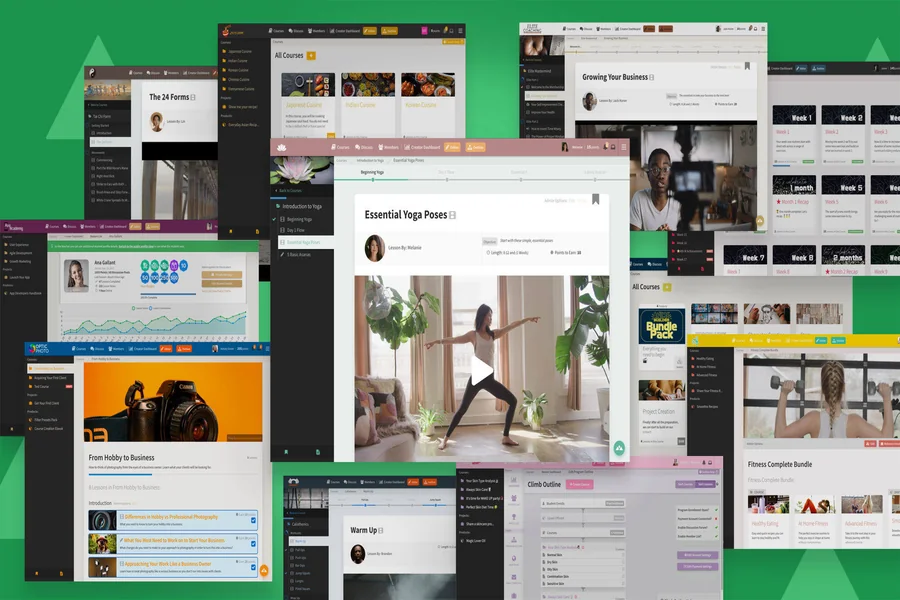
Course platforms affect revenue, learner progress, instructor workload, and long-term training quality. A careful review should look past feature menus and examine how each system handles course structure, checkout, reporting, permissions, and growth. Minor differences can create daily friction once enrollment rises. These ten comparison points help educators, training teams, and business owners choose software that matches current needs without creating avoidable operational strain later on.
1. Market Fit
Course owners often need a grounded comparison before choosing where to build paid learning programs. A clear Thinkific vs. Teachable resource helps your team weigh pricing, training features, user ratings, buyer profiles, and service channels together. That context matters because platform fit depends on audience size, teaching model, and expected administrative load.
2. Pricing Structure
Entry costs can look simple, yet plan limits deserve close review. One platform may appeal to early creators through a free option, while the other often serves larger training operations through premium packages. Buyers should check transaction charges, staff seats, learner caps, payment processing, and feature gates. A cheaper start can end up costing more if upgrades arrive sooner than expected.
3. Course Building
Course assembly should match the teaching method rather than force content into awkward shapes. Both systems handle video, downloads, quizzes, surveys, and sequenced lessons. The larger training option tends to offer more control for complex catalogs. The creator-focused system keeps publishing straightforward. Teams should compare lesson branching, assessment depth, certificates, prerequisites, and the ease with which instructors can revise material after launch.
4. Sales Tools
Selling tools shape the path from interest to enrollment. One system places strong emphasis on checkout pages, coupons, payment handling, and creator storefronts. The other provides commerce features while placing greater emphasis on structured training delivery. A solo educator may value a quick purchase flow. A company selling multiple programs may need bundles, group access, and tighter account control.
5. Learner Management
Learner administration becomes more important as enrollment expands. Larger teams often need roles, cohorts, progress records, manual enrollment controls, and separate access levels. A simpler creator workflow can work well for independent teachers and small businesses. The gap becomes clear when departments, corporate clients, or multiple administrators require cleaner oversight, reliable records, and faster troubleshooting for learners.
6. Customization
Brand management affects trust, navigation, and perceived course quality. The more enterprise-oriented option usually gives broader control over portal layout, page structure, domains, and user views. The creator-focused alternative allows useful branding, though its framework can feel more contained. Schools with strict visual standards may require more extensive editing. Solo instructors may prefer fewer settings and a faster launch path.
7. Reporting
Reporting should answer practical questions, not just display attractive charts. Course teams need to know who enrolled, who stalled, which lessons led to drop-off, and where revenue shifted. The training-heavy platform offers stronger dashboards, exports, scheduled reports, and analytics. The creator-centered system covers core sales and student activity. You should test the data before the paid migration begins.
8. Support Options
Help access matters most during launch weeks, payment issues, and enrollment surges. Both platforms provide documentation, tutorials, webinars, email help, knowledge bases, and community resources. The larger training package also includes phone assistance with the comparison data. That channel can be important for organizations with strict deadlines. Buyers should ask about response hours, priority levels, and escalation paths.
9. Technical Fit
Review technical requirements early, especially for organizations with policy controls. Both systems run through cloud access and common browsers. Differences may appear around authentication, security settings, password rules, integrations, compliance records, and domain management. Teams with information technology oversight should confirm user provisioning, data exports, access restrictions, and required connections before building a full course library.
10. Scalability
Growth changes what a platform must handle. A simple setup can feel efficient during the first launch, then restrictive once reporting, permissions, certificates, and multiple audiences become routine. The creator-focused choice suits educators who want to publish and sell without heavy administration. The training-centered option better fits larger catalogs, client groups, and structured learning programs with formal oversight.
Conclusion
The stronger choice depends on the business model, learner volume, teaching format, and reporting expectations. One platform may suit creators who need quick publishing, payment tools, and a lighter operating model. The other may fit organizations that require deeper administration, analytics, and structured training. A careful review of these ten areas helps course owners reduce software mismatches and choose a system that supports steady growth.

