

Nata de coco is a chewy coconut jelly loved for its refreshing taste, light sweetness, and impressive versatility in modern food and beverage applications. Originating from fermented coconut water, this jelly topping has grown from a childhood snack into a global ingredient used in drinks, desserts, and health-focused products.
What is nata de coco, and why is it so popular?
Nata de Coco, also known as coconut jelly, is produced through the natural fermentation of mature coconut water using Acetobacter xylinum. During fermentation, the bacteria transform sugars into cellulose, forming a thick, ivory-white jelly layer that is later cleaned, cut, and processed.
The popularity of nata de coco comes from its unique texture – crispy yet chewy – combined with a neutral flavor that pairs well with milk tea, yogurt, fruit juice, and desserts. It is especially favored in tropical countries and Asian markets, where refreshing foods are in high demand.
Beyond taste, this coconut jelly is appreciated for being easy to customize in size and sweetness for different applications.
A refreshing coconut jelly with a clean, lightly sweet taste and a crisp, pleasantly chewy texture.
Coconut jelly nutritional benefits you should know
One of the biggest reasons coconut jelly remains popular is its nutritional profile, which fits well with modern healthy lifestyles.
– High dietary fiber: Supports digestion and helps create a longer feeling of fullness.
– Low-calorie and fat-free: Suitable for weight-control diets.
– Cholesterol-free: A heart-friendly topping option.
– Versatile usage: Ideal for beverages, sweet soups, and ready-to-eat desserts.
Because it mainly consists of natural cellulose, this coconut jelly delivers texture without excessive sugar or fat when properly processed.
How nata de coco is produced at industrial scale
At the commercial level, nata de coco production follows strict food safety standards to ensure consistent quality.
The process typically includes:
- Fermentation of pasteurized coconut water under controlled pH and temperature.
- Harvesting the formed jelly sheet after 8 – 10 days.
- Washing and deodorizing to remove sourness.
- Cutting and shaping into cubes or strips.
- Cooking and pasteurization to ensure safety and shelf stability.
Advanced producers use modern pasteurization technology to eliminate harmful bacteria while preserving the jelly’s natural crunch and clarity.
Where to buy nata de coco for business and retail needs
Choosing where to buy nata de coco is a critical decision for both consumers and F&B businesses. The market offers many low-priced products, but they often lack transparency, certifications, or stable quality.
When evaluating suppliers, consider:
– Clear origin of coconut water.
– Certified food safety standards (FSSC 22000, HALAL, FDA).
– Stable texture and color.
– Reliable logistics and long-term supply.
For buyers wondering where to buy coconut jelly in Vietnam and for export markets, established manufacturers with closed-loop production systems are the safest choice.
Nata de coco applications in the F&B industry
Thanks to its neutral flavor and flexible texture, coconut jelly is widely used across multiple product categories:
– Milk tea and bubble tea toppings.
– Yogurt and fermented dairy products.
– Fruit beverages and smoothies.
– Sweet soups and chilled desserts.
– Ready-to-eat retail snacks.
Manufacturers can easily adjust cube size, syrup concentration, or flavoring to match local consumer preferences.
Why quality matters when buying coconut jelly
Low-quality coconut jelly may appear cheaper but often leads to inconsistent texture, short shelf life, or food safety risks. Premium coconut jelly ensures:
– Stable chewiness during storage and transportation.
– Clean taste without fermentation odor.
– Longer shelf life without chemical preservatives.
– Better customer satisfaction and brand trust.
This is especially important for businesses exporting products or supplying large F&B chains.
Whether you are a consumer, retailer, or manufacturer, coconut jelly remains a valuable ingredient thanks to its functional value. Understanding how it is made and knowing where to buy coconut jelly from reputable suppliers will help you secure consistent quality and long-term value.
As demand continues to grow worldwide, investing in high-quality coconut jelly is not just a purchasing decision – it’s a strategic step for sustainable business growth.
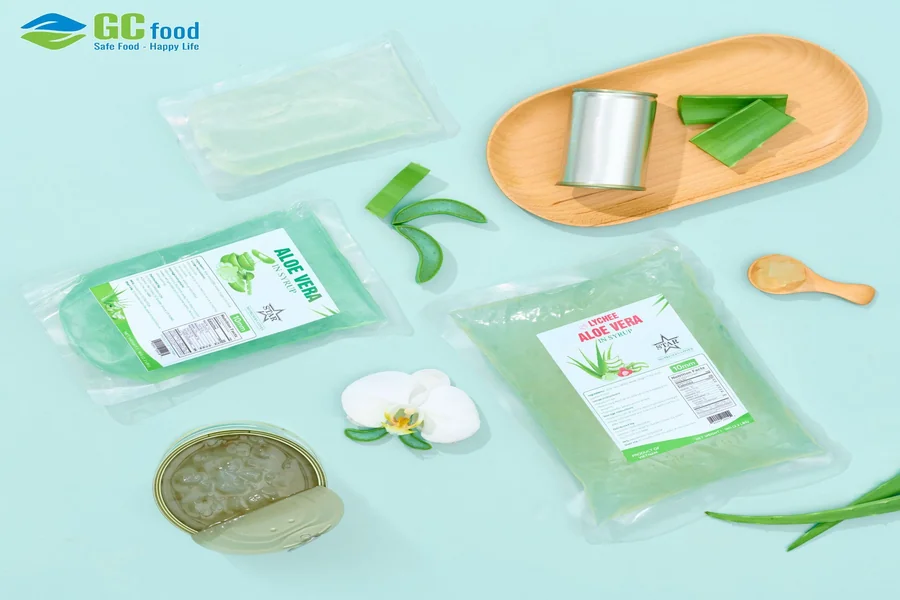
GC Food’s nata de coco delivers premium quality, natural flavor, and a perfectly chewy texture you can trust.
GC Food Joint Stock Company (GC Food) is a leading Vietnamese manufacturer specializing in coconut-based products, with nata de coco as one of its core strengths. Leveraging modern production technology, strict quality control, and internationally certified standards, GC Food delivers premium coconut jelly with consistent texture, natural flavor, and high food safety. In addition to GC Food nata de coco, the company offers a diverse portfolio, including Pura Young Coconut Jelly, Signature Nata de Coco, and Coconut Jelly with Fruit Flavor – designed to meet the needs of both retail and large-scale F&B applications.

