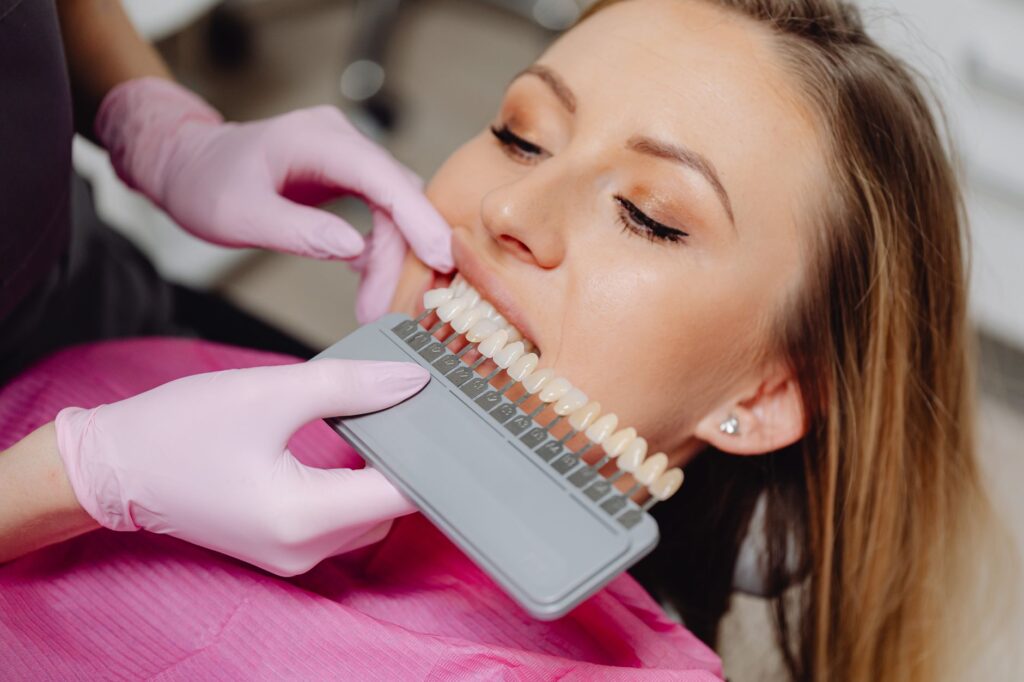
Many people start a smile consultation with a simple wish: they want to look fresher, more confident, or less conscious of one detail when they speak or smile. The challenge is that visible change can easily sound more straightforward than it really is. A good appointment turns that broad wish into a measured discussion about what should change, what should stay familiar, and what the mouth can support.
When patients compare cosmetic dentist London options, the most useful conversation is often the one that explains proportion and restraint before treatment names. Overtreatment is not avoided by doing nothing; it is avoided by choosing the right amount of care for the concern, the health of the teeth, and the patient's expectations.
Dr. Sahil Patel of MaryleboneSmileClinic explains that the most useful aesthetic plan often begins with restraint. He advises patients to ask which parts of the smile already work well, because preserving healthy tooth structure, natural proportions, and familiar character is part of responsible cosmetic care. His perspective reframes improvement as a clinical decision, not a race toward the most dramatic change.
This makes the first consultation important. The dentist needs to understand the patient's motivation, examine the oral foundations, and describe the likely trade-offs in ordinary language. That process can still lead to visible improvement, but it keeps the plan from becoming larger than the goal.
Define the Real Smile Goal First
Defining the smile goal often changes the direction of the consultation because patients may describe wanting a better smile when the main concern is one chipped edge, uneven colour, old dentistry, or tooth position. The patient may arrive thinking mainly about appearance, yet the examination has to connect that wish with health, comfort, and maintenance. When the subject is explained clearly, the plan feels less like a sales decision and more like a reasoned clinical conversation.
The assessment behind this point should be specific. In practice, photographs, patient descriptions, facial movement, and a clinical examination can separate emotional triggers from actual treatment needs. Those findings may affect timing, material choice, whether hygiene support is needed, and how much maintenance the patient should expect. This is why a useful consultation includes evidence, explanation, and enough space for questions.
The patient should not read this as a barrier to treatment. It is a way of making the choice more precise. The dentist is separating what the patient dislikes, what the mouth can support, and what needs to be stabilised before appearance is changed.
A useful patient question is: ask what problem the treatment is meant to solve before choosing a procedure. The answer should include the likely benefit, the limitation, the alternative, and the maintenance expectation. One caution is that a vague goal can make the plan larger than necessary.
Handled this way, the discussion feels collaborative. The patient brings preferences, deadlines, concerns, and priorities; the dentist brings assessment, clinical judgement, and knowledge of maintenance. A useful plan is usually formed where those perspectives meet.
That practical framing also makes it easier to decide what should wait. Some findings need monitoring, some need stabilisation, and some simply need to be explained so the patient understands why the plan is not being made larger than necessary. This keeps the appointment focused without making it feel rushed.
This is especially important when the proposed improvement affects visible teeth. Small decisions about shade, length, contour, or timing can change how the patient feels in conversation and photographs. Careful explanation gives those decisions context rather than leaving them to personal preference alone.
Notice What Should Be Preserved
A careful appointment gives time to preserving natural features. This matters because a smile may already have healthy proportions, useful enamel, or small asymmetries that make it look personal. The dentist can then explain why one route is proportionate, why another needs more assessment, and why a smaller first step sometimes gives the patient a better foundation for the final decision.
This is where photographs, scans, shade records, or x-rays where appropriate can help. The dentist can show how the dentist may look at tooth length, edge shape, gum line, shade variation, and how the teeth appear in speech. Seeing the reason behind the advice helps the patient understand the difference between a treatment that is possible and one that is truly appropriate.
This approach also leaves room for restraint. If a conservative first step answers the main concern, the patient deserves to know that. If a larger plan is being discussed, the reason for the extra treatment should be clear and connected to the findings.
The next step should be clear before treatment begins. Ask which features the dentist would keep unchanged. The patient should leave knowing what happens first, what needs review, and what can wait. One caution is that changing every visible detail can remove the character that makes a smile feel natural.
This also helps the patient avoid comparing their smile too closely with someone else's result. Enamel, gum levels, tooth position, old dentistry, bite forces, and facial movement all vary. A plan that suits one person may not suit another.
It also keeps the conversation tied to everyday life. The result has to work during meals, speech, photographs, work, travel, and home care. When those ordinary details are included, the recommendation is less likely to depend on ideal conditions that disappear after treatment.
The patient should also understand where flexibility exists. Some choices can be adjusted easily, while others affect tooth structure, material selection, or future replacement. Knowing that difference helps the patient decide with a more realistic sense of commitment.
Choose the Smallest Effective Step
The reason conservative treatment choice deserves attention is practical rather than theoretical. In many cases, some concerns are improved by hygiene, whitening, contouring, bonding, or monitoring before more involved care is considered. That detail influences the order of care, the level of intervention, and the way the result is reviewed later. It also helps the patient understand why the visible result is only one part of the decision.
The detail is rarely cosmetic alone. For example, the dentist can compare additive, reversible, and irreversible options in relation to the patient's goal. A patient does not need to master technical language, but they should understand how the finding changes the plan. That makes consent more meaningful and keeps the recommendation connected to real oral conditions.
For many people, the emotional side matters as much as the clinical side. Visible teeth can affect confidence, and uncertainty can make choices feel urgent. A calm explanation gives the patient language for the concern and a more realistic sense of the available routes.
The patient should feel able to pause and compare options. Ask whether a conservative first stage could answer the main concern. A careful answer will not remove every uncertainty, but it should make the main trade-offs visible. One caution is that more treatment is not automatically better treatment.
The benefit is clarity rather than complication. When the clinical context is explained, the patient sees why one route is simpler, why another gives more control, and why a third may be unnecessary at the current stage.
Written options can help at this stage. A patient who can compare sequence, benefits, limits, and maintenance in plain language is less likely to feel hurried. The plan becomes something they can review calmly rather than something they have to absorb in one sitting.
A calm discussion does not remove the aesthetic aim. It supports it. When the patient understands the clinical background, the final result is easier to appreciate because it has been planned around health as well as appearance.
Understand the Role of Bite and Wear
Bite and tooth wear can sound secondary until the patient sees how it affects the proposed plan. The clinical issue is that worn edges, chips, clenching, and uneven contacts can make cosmetic work less stable if ignored. Once this is part of the discussion, the patient can compare treatment choices with more confidence and less pressure.
A dentist also has to connect this subject with the wider dental history. That may involve considering that wear marks, jaw symptoms, chipped restorations, and edge-to-edge contacts can all influence the safest sequence of care. This wider view helps avoid treating one tooth, one colour concern, or one photograph as though it represents the whole mouth.
Long-term care belongs in this conversation too. A treatment should be judged by how it is cleaned, reviewed, protected, repaired, and adapted over time, not only by how it looks at the final appointment.
A useful patient question is: ask whether bite forces affect the proposed result. The answer should include the likely benefit, the limitation, the alternative, and the maintenance expectation. One caution is that a visual improvement may not last if the cause of wear is still active.
It is also a safeguard against overtreatment. If a modest option is enough, the patient should understand why. If a larger option is recommended, the extra treatment should be justified by the findings and the patient's goals.
Timing matters as well. A treatment may be appropriate but not urgent, or desirable but better after a first phase of care. Explaining timing clearly helps the patient understand that a staged plan can be a sign of care, not hesitation.
This also gives the dentist a chance to identify when the simplest route is the most respectful one. A modest change can be more suitable than a dramatic plan if it answers the concern and preserves future options.
Use Preview Tools With Perspective
A measured consultation keeps previewing change in view from the start. This is useful because mock-ups, scans, and photographs can guide decisions but cannot replace clinical judgement. It prevents the appointment from becoming too focused on a single procedure name and gives the patient a fuller sense of what will support the result over time.
Patients should be encouraged to ask how this detail affects their choices. In this part of care, a preview may show shape and proportion while still depending on gum health, materials, healing, and patient adaptation. The answer may support the original idea, or it may show that a different sequence gives a better foundation for the result.
Several options may sound relevant at once. Whitening, bonding, veneers, crowns, aligners, hygiene care, or monitoring can all be part of cosmetic dentistry, but the order matters. The consultation should explain sequence rather than simply naming treatments.
The next step should be clear before treatment begins. Ask what a preview can and cannot predict. The patient should leave knowing what happens first, what needs review, and what can wait. One caution is that a preview should guide consent rather than guarantee a final outcome.
Future care stays part of the picture. Cosmetic dentistry continues through cleaning, review, polishing, protection where needed, and small adjustments over time. Thinking about that early makes the recommendation more realistic.
This kind of discussion also protects trust. When expectations are realistic from the start, review appointments are more constructive later. The patient knows what was planned, what may change, and what should be monitored over time.
The same thinking applies when several treatments sound attractive. The useful question is not which option is most impressive, but which option fits the diagnosis, the patient's priorities, and the maintenance that follows.
Leave With a Plan That Feels Proportionate
Patients usually make better decisions when a proportionate plan is put into plain language. The reason is that the final recommendation should match the scale of the concern, the health of the mouth, and the patient's ability to maintain the result. A good explanation does not remove every uncertainty, but it shows which factors are guiding the recommendation and which options remain open.
This stage also makes maintenance visible. If a written plan can explain the sequence, alternatives, maintenance, and reasons for avoiding unnecessary treatment, the patient should know what review, home care, repair, or protection may be needed later. A result is easier to live with when those responsibilities are part of the plan from the beginning.
A plan can still be efficient without being rushed. If the patient has a deadline, the dentist can explain what is realistic, what should wait, and which first step is likely to give the most useful improvement without weakening the clinical foundation.
The patient should feel able to pause and compare options. Ask why the recommended amount of treatment is appropriate. A careful answer will not remove every uncertainty, but it should make the main trade-offs visible. One caution is that a plan that feels impressive but poorly matched to the goal can become difficult to maintain.
The aim is a decision that still makes sense after the first excitement has passed. A result can build confidence while remaining understandable, maintainable, and connected to the patient's wider oral health.
The decision should still make sense after the first excitement has passed. Cosmetic dentistry can build confidence, but it should also be understandable, maintainable, and connected to the patient's wider oral health.
By the end of this part of the conversation, the patient should be able to explain the reason for the next step in their own words. That is often a sign that the appointment has produced understanding, not just a treatment list.